
Iditarod race puts dogs, mushers to the test. See how a Shenandoah native did
Iowa native Riley Dyche has just finished his sixth run in the grueling Iditarod race with his mushing dogs — and he's only getting better.
Since coming in 25th place in his rookie year, he's been climbing the ranks steadily, ending his 2026 race in seventh place.
A 2017 story from the Shenandoah Valley News, now the Southwest Iowa Herald, identified Dyche, who was training for the Yukon Quest race in 2018, as a native of Shenandoah.
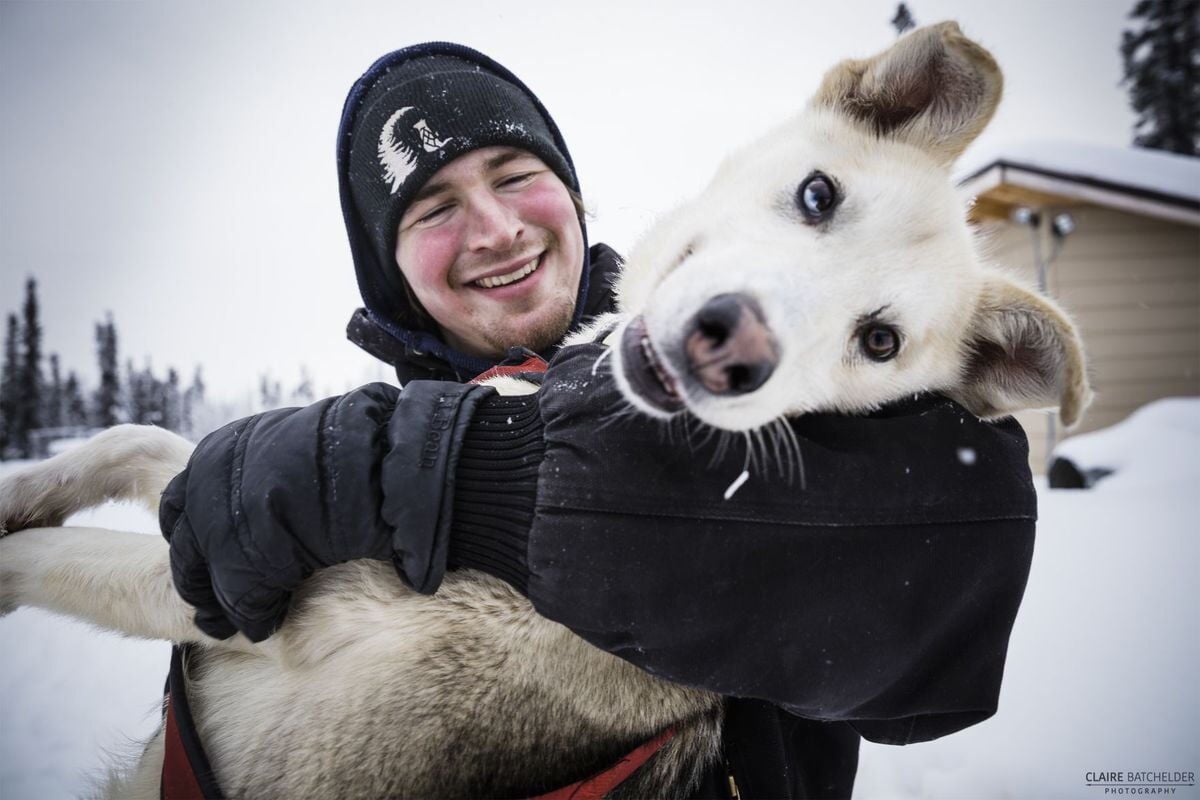
SHENANDOAH — For most people, the thought of traveling 1,000 miles in -40-degree weather doesn’t sound like a lifelong goal, but for Shenandoa…
Dyche and his 16-dog team completed the thousand-mile Alaskan trek from Anchorage to Nome in a little more than 10 days. If the sheer distance doesn't scare you, then maybe learning that they're mushing through sub-zero temperatures and winds of 40 miles per hour or higher will.
What is the Iditarod race?
The committee running the Iditarod calls it "The Last Great Race," and it is held during the peak of Alaska's winter. The race's website calls it one of the most iconic and difficult races in the world.
The race officially started in 1973, and 846 mushers and their dogs have completed the race since then.
Homesteader and musher Joe Redington, Sr. and local committee chairman Dorothy Page started the race, according to historians. Redington wanted to host a long-distance race to save the sled dog culture and Alaskan huskies, which were working less and less due to the introduction of snowmobiles. He also wanted to host the long-distance race to preserve the trail.
Mushers compete with teams made up of 14 dogs on average. These dogs, called sled dogs, are able to change their metabolism so they don't crash like humans do when doing extensive exercise. They are able to get energy and use it immediately, Oklahoma veterinary scientist Mike Davis previously told the University of Alaska Fairbanks.
Mushers compete for a split prize of $650,000, with the largest percentage going to those finishing in the top 20.
Shenandoah native Riley Dyche rained for the Yukon Quest, one of two 1,000-mile dog sled races in existence, in October 2017.
How did Riley Dyche become interested in the Iditarod?
Dyche, who's now 33, was born in Iowa and moved to Colorado for college. He started working with sled dogs while he was there, he said in an interview.
In 2013, he moved up to Alaska and now owns Dark Horse Sled Dogs in Big Lake, home to 38 dogs.
He's been a consistent racer in mid- and long-distance races, like the Yukon Quest, the Two Rivers 200, Old Mail Trail 200, and Copper Basin 300.
"This career path has allowed me to share a mutual passion for mushing with my amazing canine athletes," Dyche said in a 2021 interview. "I feel most at home when I’m on the trail with my dogs, exploring the great state of Alaska."
Emily Maxwell, who raced in 2018, was the first Iowan to list Iowa as their home state in the race.
The Nonpareil and Saleen Martin of USA Today contributed to this report, which was syndicated from USA Today Network via Reuters Connect.