

Blood donation encouraged amid critical supply levels in Iowa, metro area
Blood donors who haven't given the gift of life lately are being encouraged to do so — along with first-time donors.
The American Red Cross declared a national blood supply crisis, with donations falling to a four-year summer low amid a seaosn where giving is already generally reduced.
All blood types are needed, but the situation is especially dire for Type O blood, according to a news release from the American Red Cross for the Nebraska-Iowa Region.
LifeServe Blood Center, which provides much of Iowa with blood products, said in a news release that it only had a couple days supply, at most, for Type O blood as well as A-negative. Other blood types were at a two to three day supply.
"Without increased donations, this level of supply can lead to situations where hospitals may not have enough blood on hand to treat all patients who need it," LifeServe said in the release.
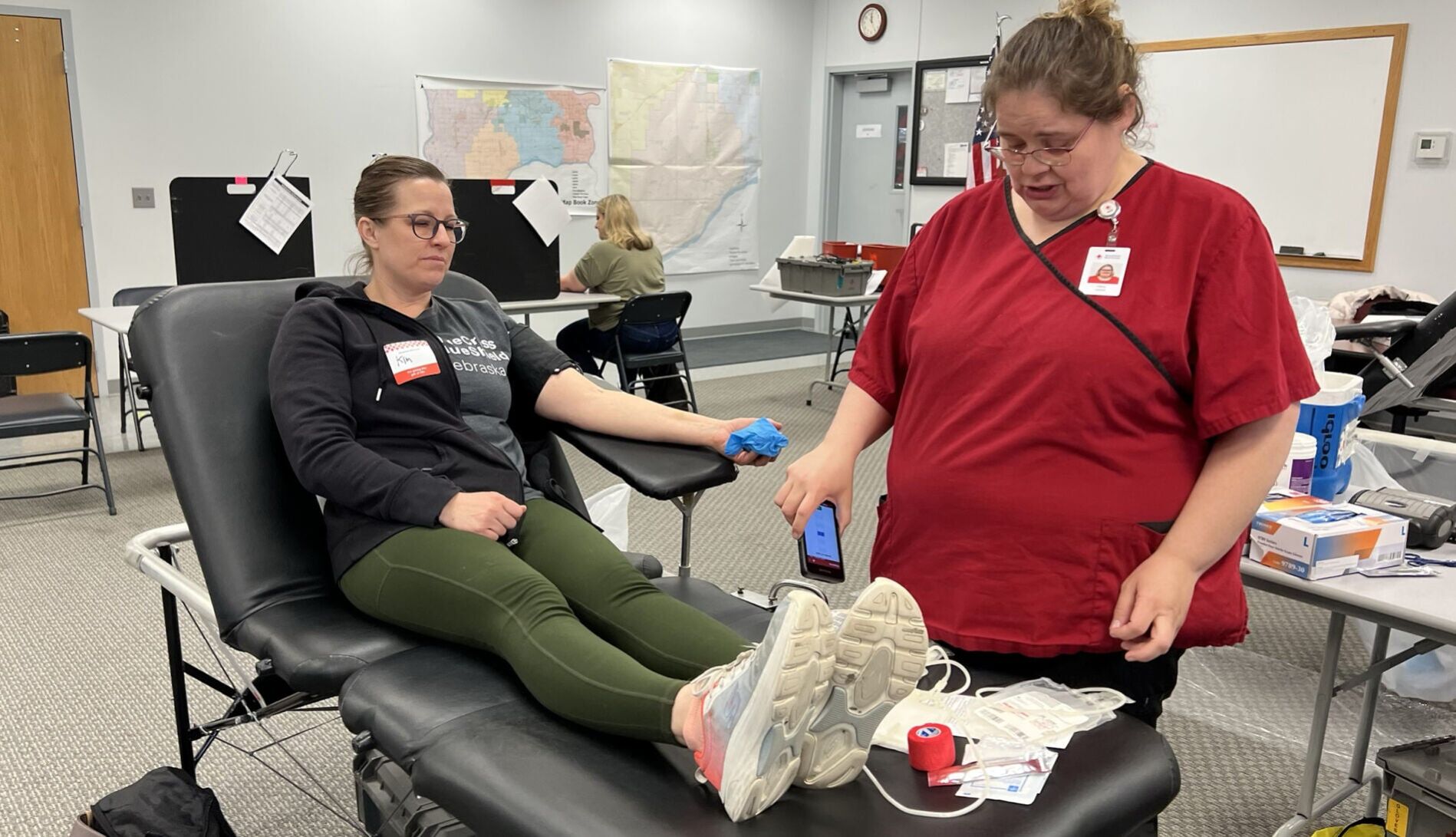
A blood donor prepares to give blood at an American Red Cross drive in Gretna, Neb., on April 16, 2023.
Stacy Sime, LifeServe Blood Center President and CEO., said the shortage is beyond the usual summer dip.
"Our donations are not currently keeping up with the demand for blood from hospitals," Sime said. "Unless this trend reverses, hospitals will need to start making difficult decisions to delay or cancel treatments and surgeries.”
The Nebraska Community Blood Bank, which also serves the greater Omaha region in that state's side, posted on the social media that it had made progress in addressing the blood emergency it declared, thanks to donor generosity. But the organization, which remains in a blood emergency, says its supplies are still not where they need to be
The Red Cross noted that thousands of donors had answered the call to give blood after its emergency declaration in mid-July, the Omaha World-Herald reported.
Extreme heat, poor air quality and foodborne illnesses have all continued to lower donor turnout this summer, according to the organization.
"This summer has brought several unique challenges that have placed additional strain on our blood supply, creating growing concern for hospitals and the patients who rely on lifesaving transfusions," Paul Sullivan, the Red Cross' senior vice president of donor services, said in a statement.
The shortage threatens the availability of lifesaving blood for emergency surgeries and accident victims, cancer treatment and other serious medical needs, USA Today reported.
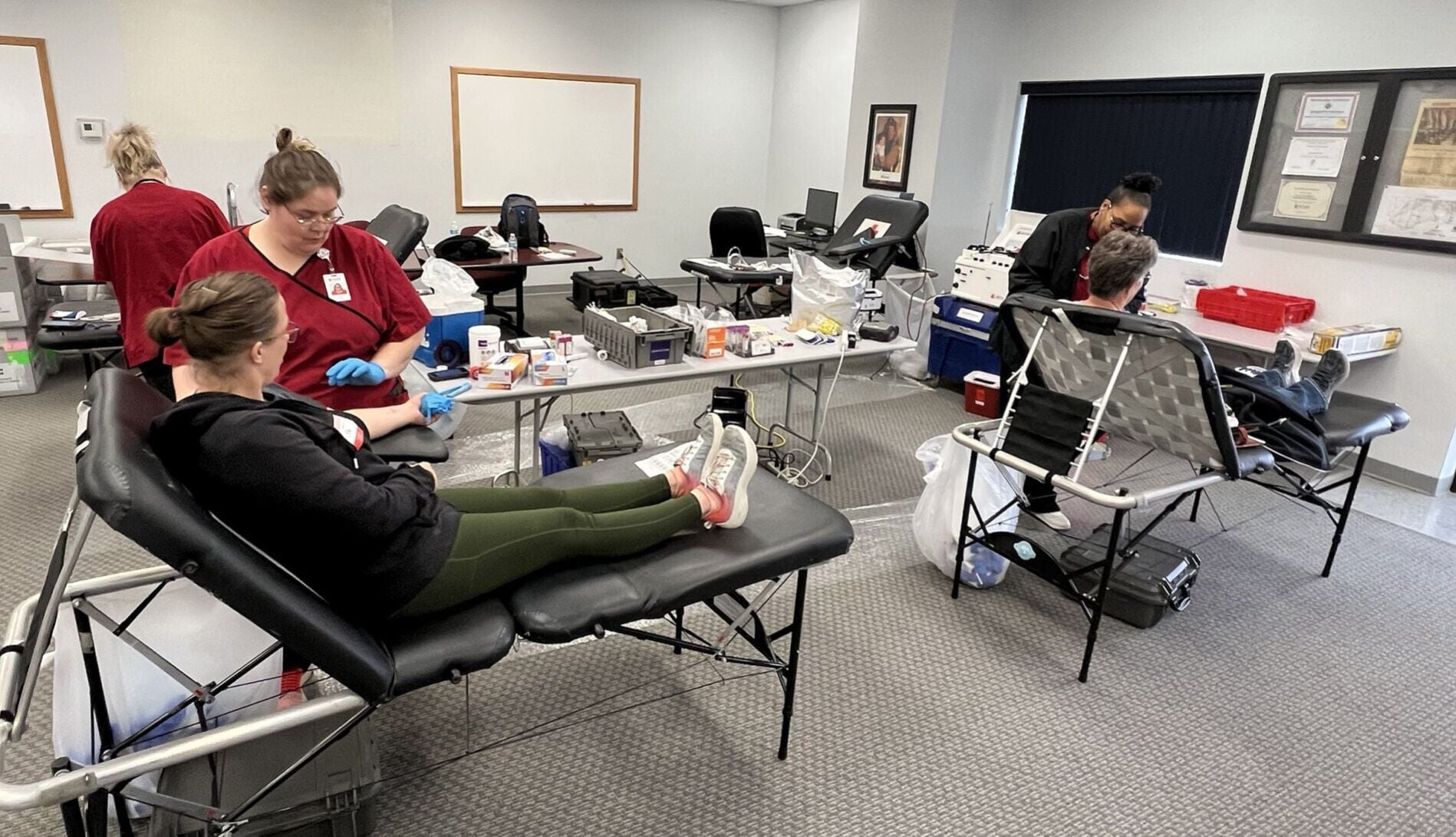
Blood donors give the gift of life at an American Red Cross drive in Gretna, Neb., on April 16, 2023.
Type O blood accounts for about 60% of Red Cross blood distributions nationally, the agency said, essential for both everyday patient care and medical emergencies. Type O positive can be safely given to about 80% of patients.
The only time the Red Cross previously declared a national blood crisis was in January 2022. Since then, the agency said it had taken measures to avoid such situations. Hospitals now schedule nearly two-thirds of their anticipated blood needs in advance, providing greater predictability for both the volume and destination of necessary blood products.
Blood cannot be manufactured and has a short shelf life. Thus, the blood supply needs to be continuously replenished. On average, someone needs blood every two seconds, according to a release.
The dire situation means it's time for those who don't normally give blood to roll up their sleeves and make an appointment.
“This is not just a situation where we need our most loyal donors to step up and donate again,” LifeServe's Sime said in a release. “We need new, first-time donors and those who haven’t donated with us in years to come make an impact on their communities and save lives.”
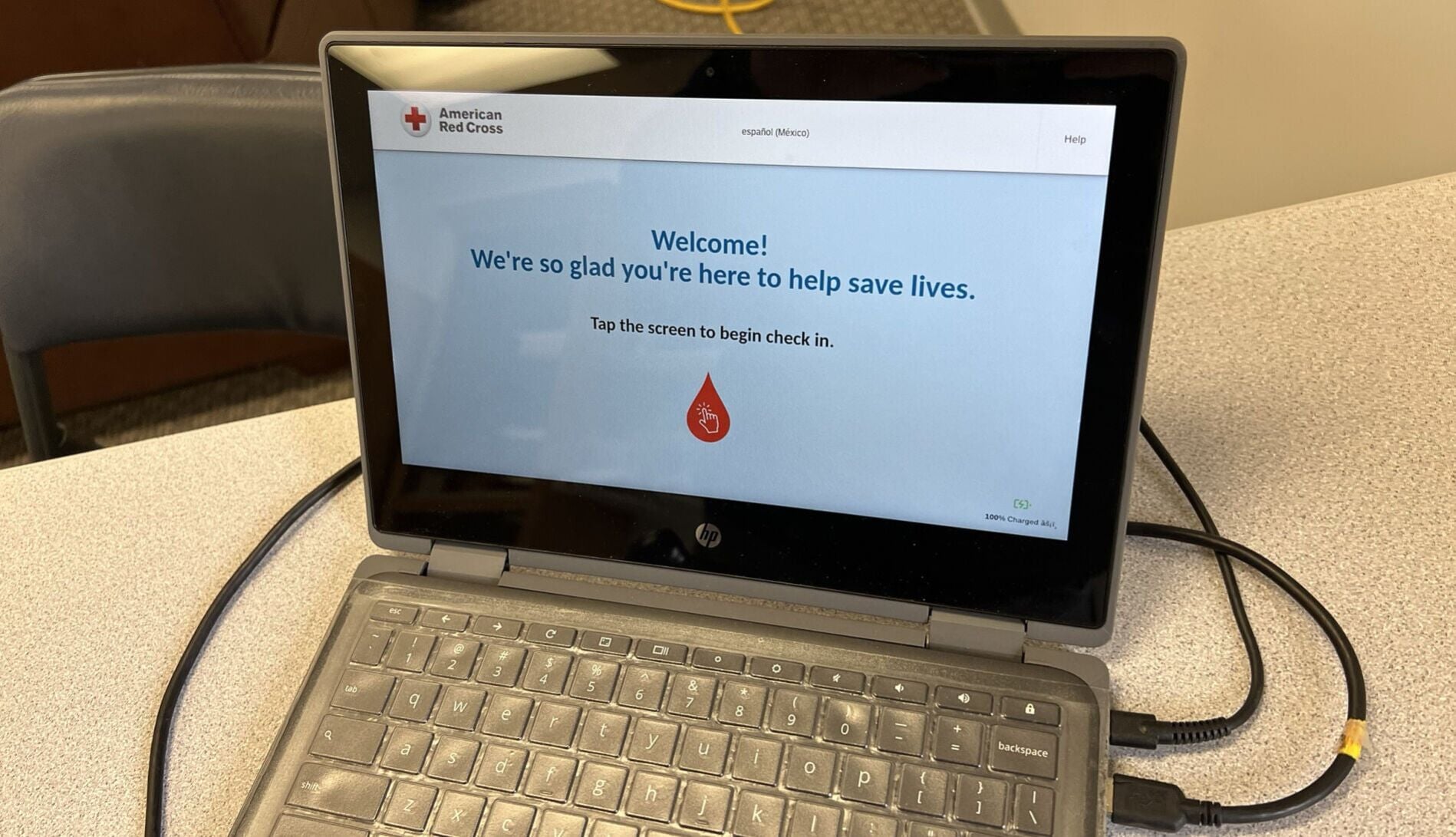
A computer message greets donors at an American Red Cross drive in Gretna, Neb., on April 16, 2023.
Josh Murray, a spokesman for the Red Cross' Nebraska-Iowa region, said each of the national blood bank's regions takes care of its own needs first and then helps fill in national gaps, if possible.
To give to the Red Cross, make an appointment by downloading the Red Cross Blood Donor App, calling 800-733-2767 or visiting redcrossblood.org, which allows users to search for blood drive locations by ZIP code.
To give to LifeServe, which operates across the state but not in Mills, Fremont or Montgomery counties, go to lifeservebloodcenter.org or call 800028704903 to schedule an appointment.
To give to Nebraska Community Blood Bank, which operates in Nebraska and Western Iowa including the Methodist Health System, visit ncbb.org or call 402-486-9414.
Julie Anderson of the Omaha World-Herald and Marc Ramirez of USA Today contributed to this report.
Related

A sickle cell blood drive is shown at District Heights, Maryland, on March 17, 2023. (Video courtesy Brad Zerivitz, American Red Cross)