
Habitat for Humanity volunteers from Council Bluffs heading to Honduras to build home
When David Klitz first traveled to Honduras with Habitat for Humanity, news coverage of migrants crossing the U.S. border had shaped much of the public conversation about the country.
But after spending time alongside a family there, Klitz came away with a different perspective — one that has stayed with him for years.
“Everyone wants the same thing,” Klitz said. “Everyone wants to bring up their kiddos in safety and get their needs taken care of and have a roof over their head and have food on the table. We all want the same thing, regardless of where we were born.”
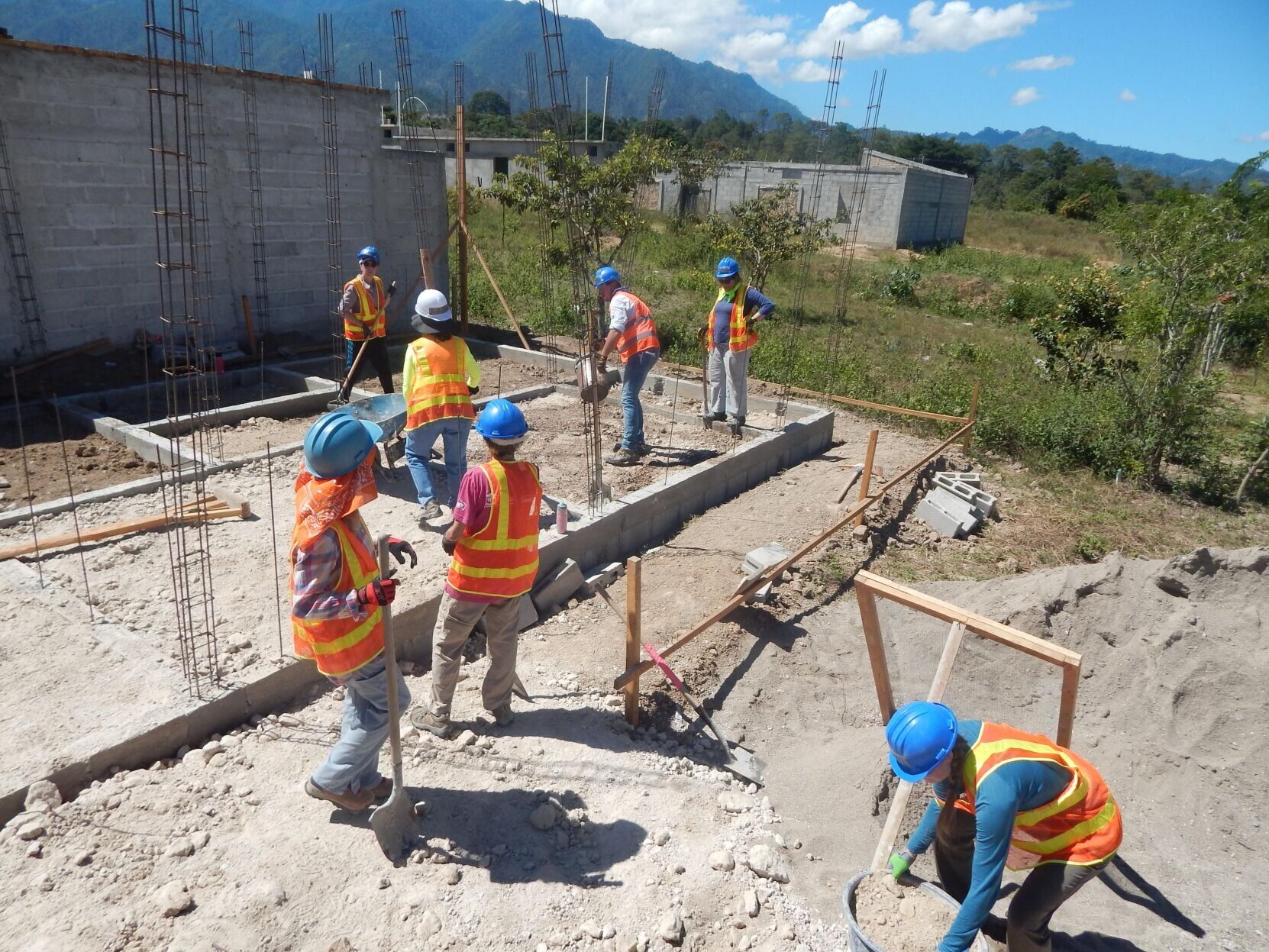
Habitat for Humanity of Council Bluffs volunteers construct a home in Honduras in 2018.
Klitz, director of sales and marketing for the Habitat for Humanity of Council Bluffs ReStore, will return to Honduras on Saturday for his sixth international volunteer build with Habitat for Humanity.
This time, he will lead a team of 14 volunteers organized by Habitat for Humanity of Omaha, including Habitat Council Bluffs Executive Director Blake Johnson and Council Bluffs community member Diana Garcia, who works at Iowa Western Community College and serves on Habitat Council Bluffs' board of directors.
The group will spend the week in Gracias, Honduras, helping construct a home for a local family. It will be the first volunteer brigade to work on the house, with subsequent teams completing the project.
For Klitz, who has spent 20 years working with Habitat affiliates in Omaha and Council Bluffs, the trip is another opportunity to support a mission he sees as necessary.
“Housing is a fundamental right and it's a fundamental need,” he said. “If there's a way that I can impact it and advocate for better housing for the bottom billion folks that live in slums or informal settlements, then I want to do it.”
Habitat for Humanity's Global Village program sends volunteers to work alongside local communities on housing projects around the world. Established in 1989, the program operates in 17 countries, including Honduras, where Klitz will make his second trip and lead a team for the third time.
The group will fly into San Pedro Sula on Saturday before traveling by bus to Gracias, where volunteers will spend the week working with Habitat Honduras and local masons.
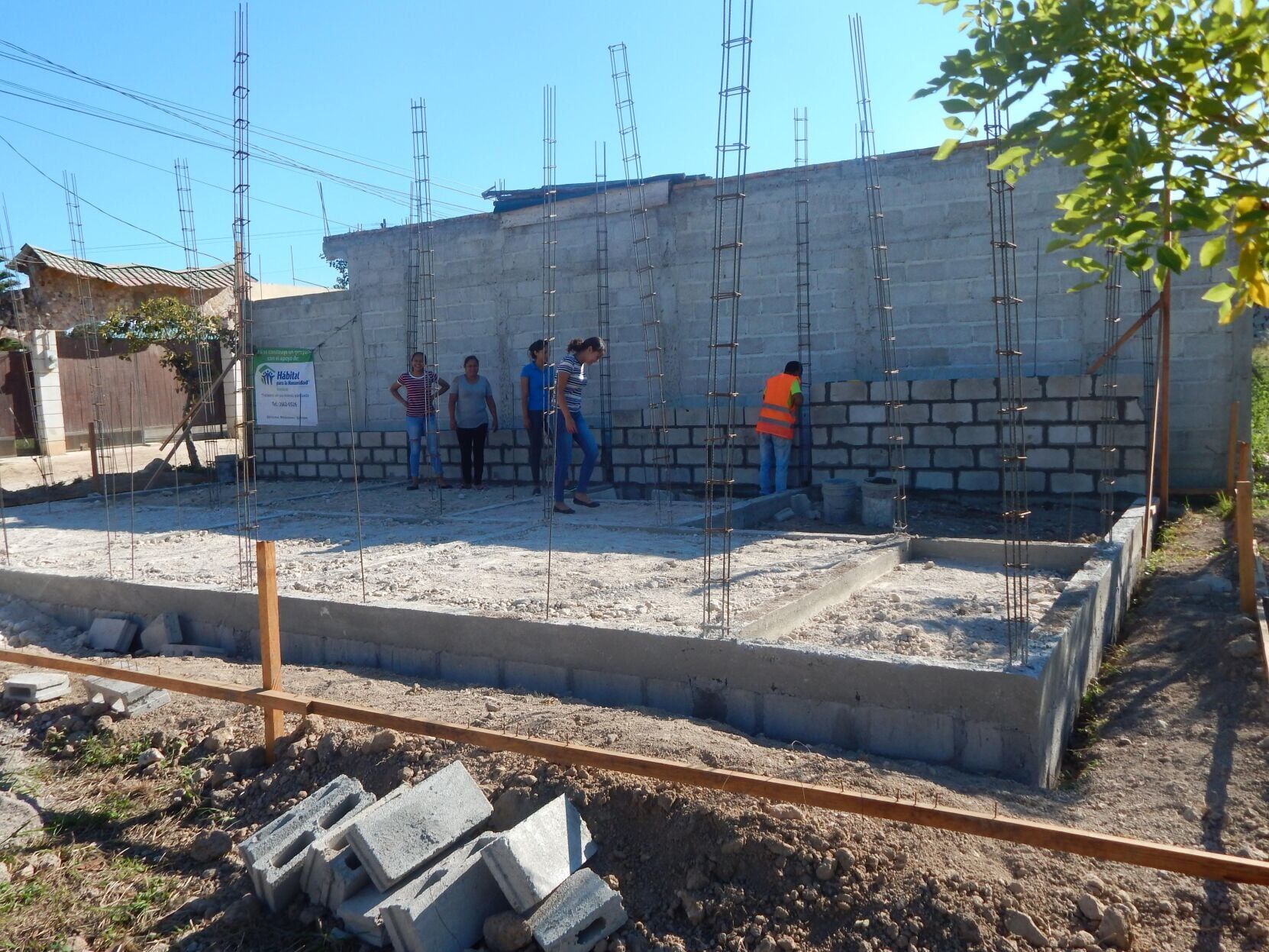
Habitat for Humanity of Council Bluffs volunteers construct a home in Honduras in 2018.
The work will likely involve mixing concrete by hand, carrying cinder blocks, assembling rebar supports and helping build the home's walls. The team will use the tools and construction methods available in the community, Klitz said.
“We're not going to go in with drills or cement trucks ablazing,” he said. “We're going to go in and use the tools that folks have available to them and that they use on a daily basis.”
The goal is not to change how local residents build homes, he said, but to contribute to the project alongside them.
“We're there to work, and we're there to do it the way that it is done in that community,” Klitz said.
By next Friday, the team expects to have the house's walls partially or fully constructed, depending on the pace of the work. A community celebration will mark the end of the brigade's time at the site, with music, food and an opportunity for the volunteers to celebrate with the family.
The house will not be finished during the team's visit. Additional Global Village brigades will continue the work, potentially adding the roof structure, doors and windows before the home is ready for occupancy.
For Klitz, the process of the build is about relationships formed as it is the construction itself.
His first official Global Village trip took him to Costa Rica in 2014, where a small group of volunteers worked alongside a family preparing to become homeowners. More than a decade later, he still has a connection to the family through its oldest daughter, who married one of his friends.
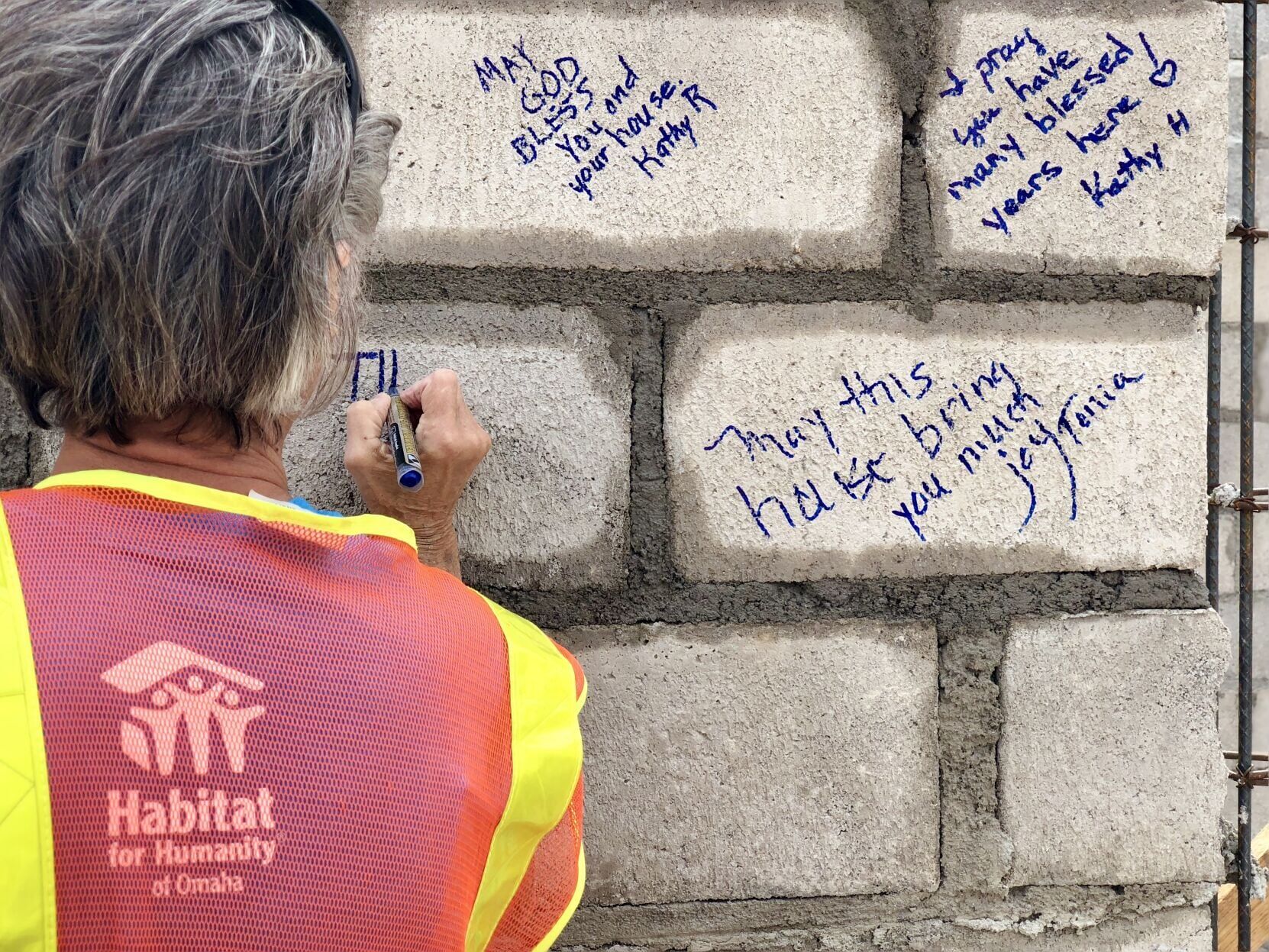
Habitat for Humanity volunteers sign a wall during construction of a home in Honduras in 2018.
Klitz’s first trip as a team leader, which also took him to Honduras, made a similar impression. He hopes to reconnect with a mother and her four daughters he met during that visit, which took place in the same general area as this week’s project.
The group recently received a video message from the volunteer coordinator and the homeowner, giving the volunteers an early connection to the community they are about to visit.
Klitz said the experiences have also influenced how he thinks about housing in the United States.
He remembers his parents buying their first home in the late 1960s or early 1970s. The roughly 1,000-square-foot, three-bedroom house was home to four children, and money could be tight.
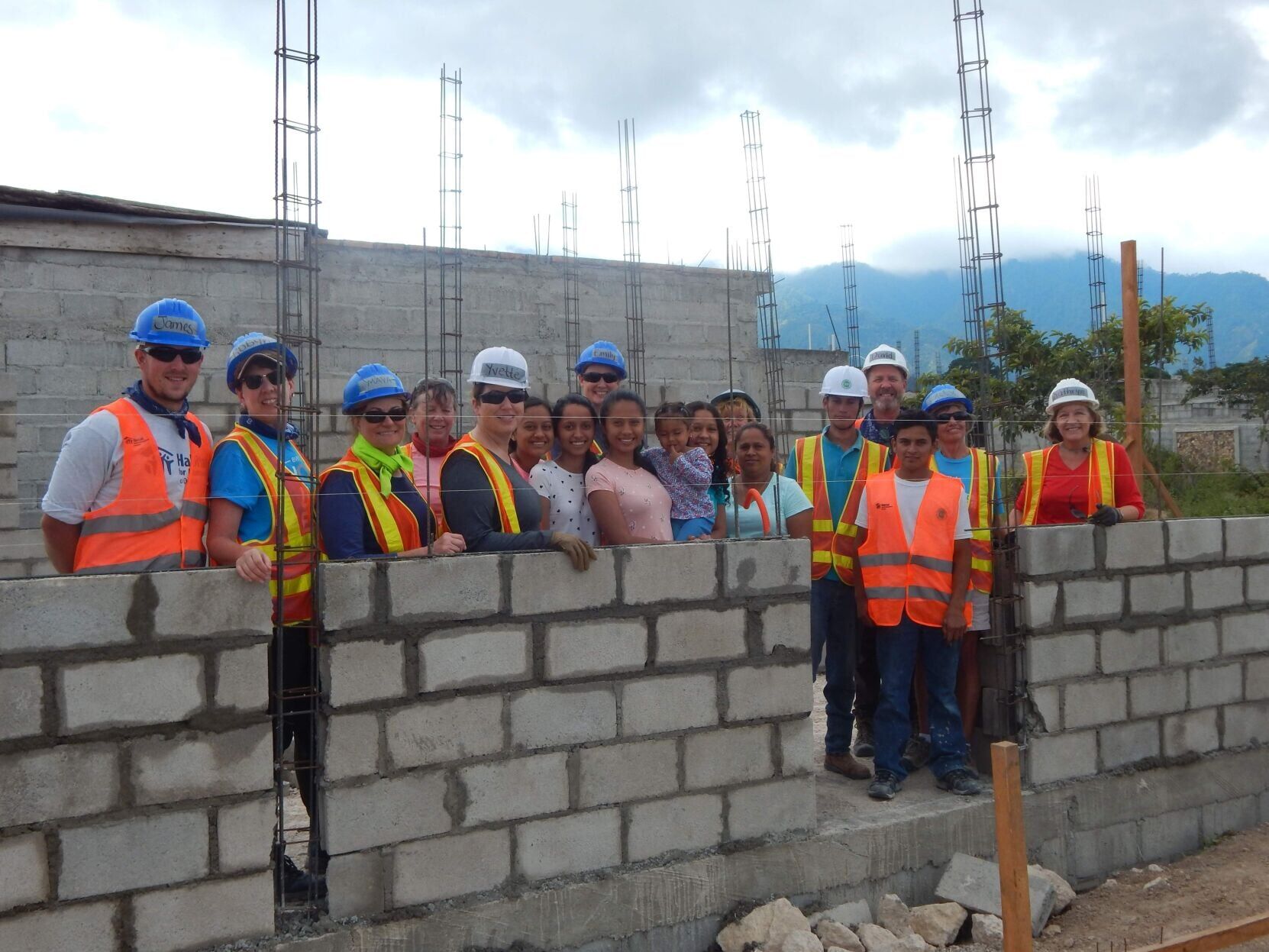
Habitat for Humanity volunteers construct a home in Honduras in 2018.
“I remember the struggles when groceries weren't going as far as what they had hoped, or there wasn't as much money coming in,” he said.
Those experiences, he said, were not unique to his family or to the United States. Families around the world face similar challenges as they try to provide a safe place for their children to grow up.
“Everyone wants a good place to live. They want a safe place to live, and they want to raise their family in a way that the kids are going to thrive,” he said.
The volunteers' trip is funded through individual fundraising and contributions, rather than being paid for by the local Habitat affiliates. Each participant covers airfare and the cost of the build, which includes lodging, meals and transportation within Honduras.
Klitz estimated the in-country cost at about $1,800 to $2,200 per person, with roughly 40% to 45% of that amount going directly to Habitat for Humanity of Honduras to support its homeownership program.
Participants can raise money through an online fundraising platform, asking family, friends and business acquaintances for support, or organize their own fundraisers.
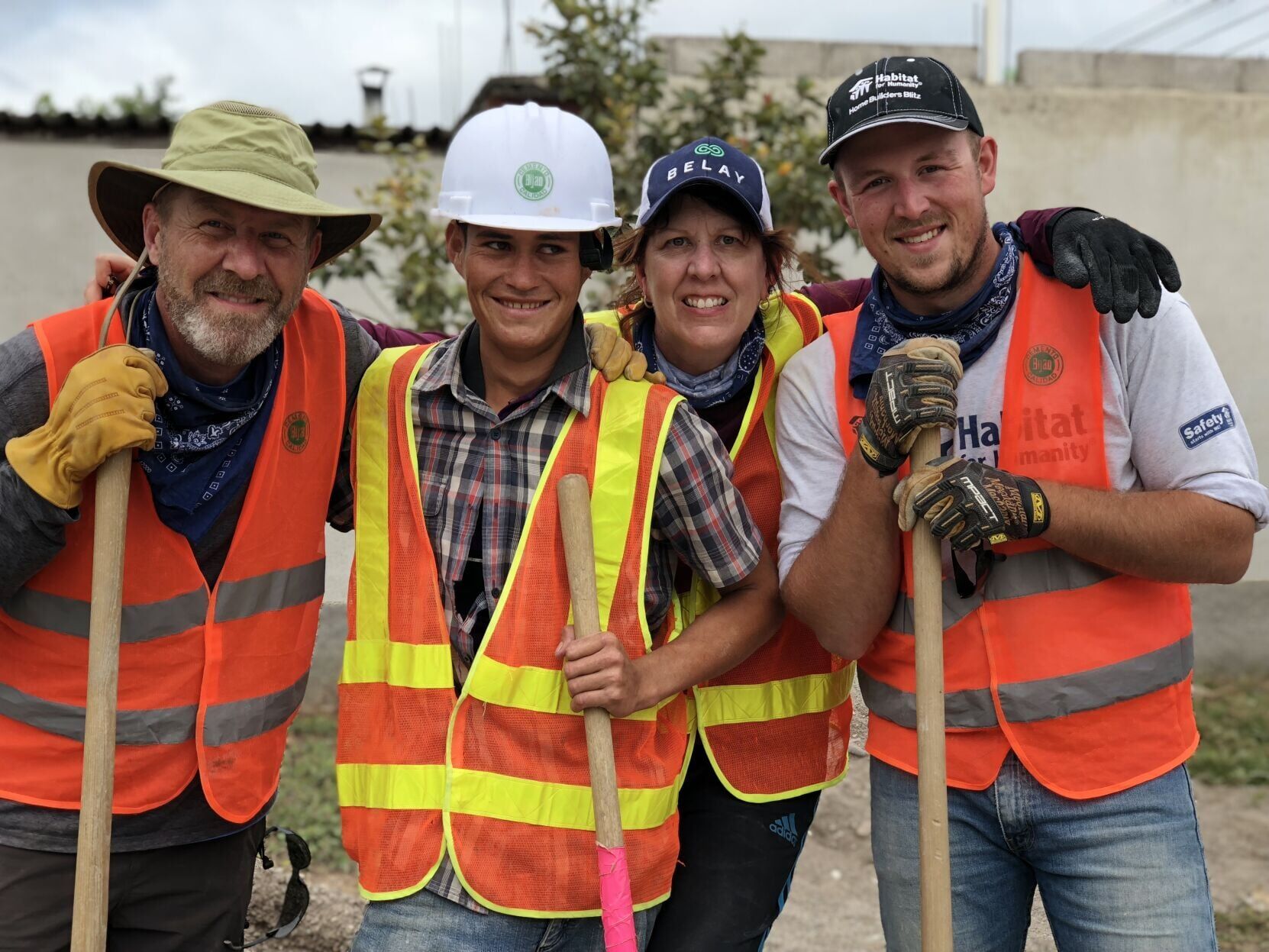
Habitat for Humanity volunteers construct a home in Honduras in 2018.
The international work complements Habitat Council Bluffs’ local efforts to provide affordable homeownership opportunities and critical home repairs. Klitz said both efforts are rooted in the same belief that stable housing helps families and communities thrive.
“By having a safe place to live and be able to raise your family and have a decent-paying job, folks are going to stay put, and they're going to build that community,” he said.
For Klitz, leading a team brings an additional responsibility beyond the physical work. He must keep track of 13 other volunteers, making sure they stay safe, drink enough water, take breaks in the shade and have a positive experience.
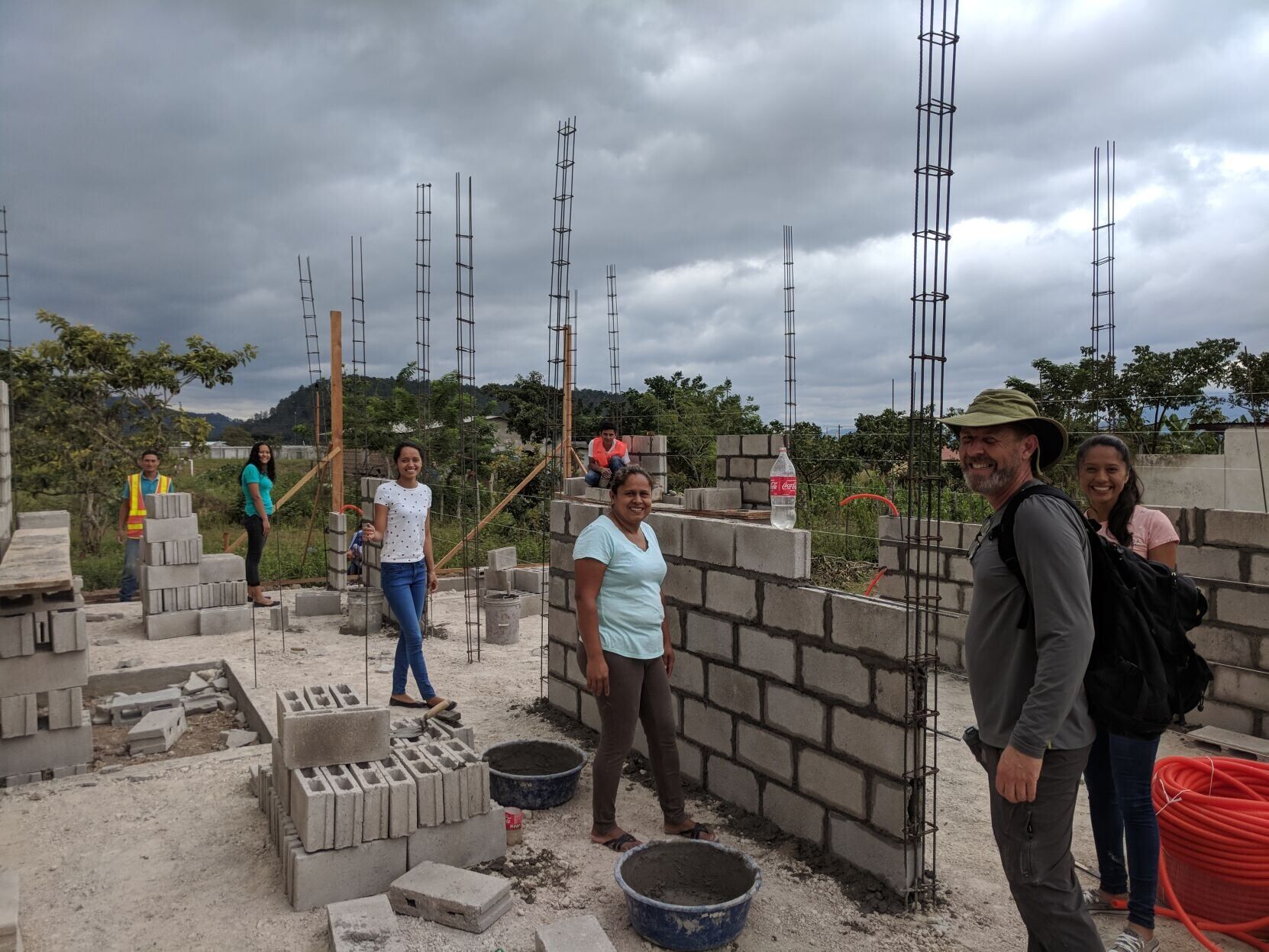
Habitat for Humanity volunteers construct a home in Honduras in 2018.
The team will return to the United States on Oct. 25. After the trip, Habitat Council Bluffs plans to hold an online raffle featuring items from Honduras to raise money for future Global Village builds.
Klitz said he plans to continue participating as long as he is able.
“I have great faith. I'm not a churchgoer. This, to me, is going to church,” he said. “It's that community. It's that connection. It's that relationship.”
For anyone considering a similar trip, his advice is simple.
“Do it,” Klitz said. “It is an experience that you will never forget.”
He hopes volunteers return with a better understanding of another culture and a willingness to approach unfamiliar places without expecting people to do things the same way they do at home.
“We're there to experience it and to gain a better understanding of other parts of the world,” he said. “With that better understanding, it just knocks down those walls.”
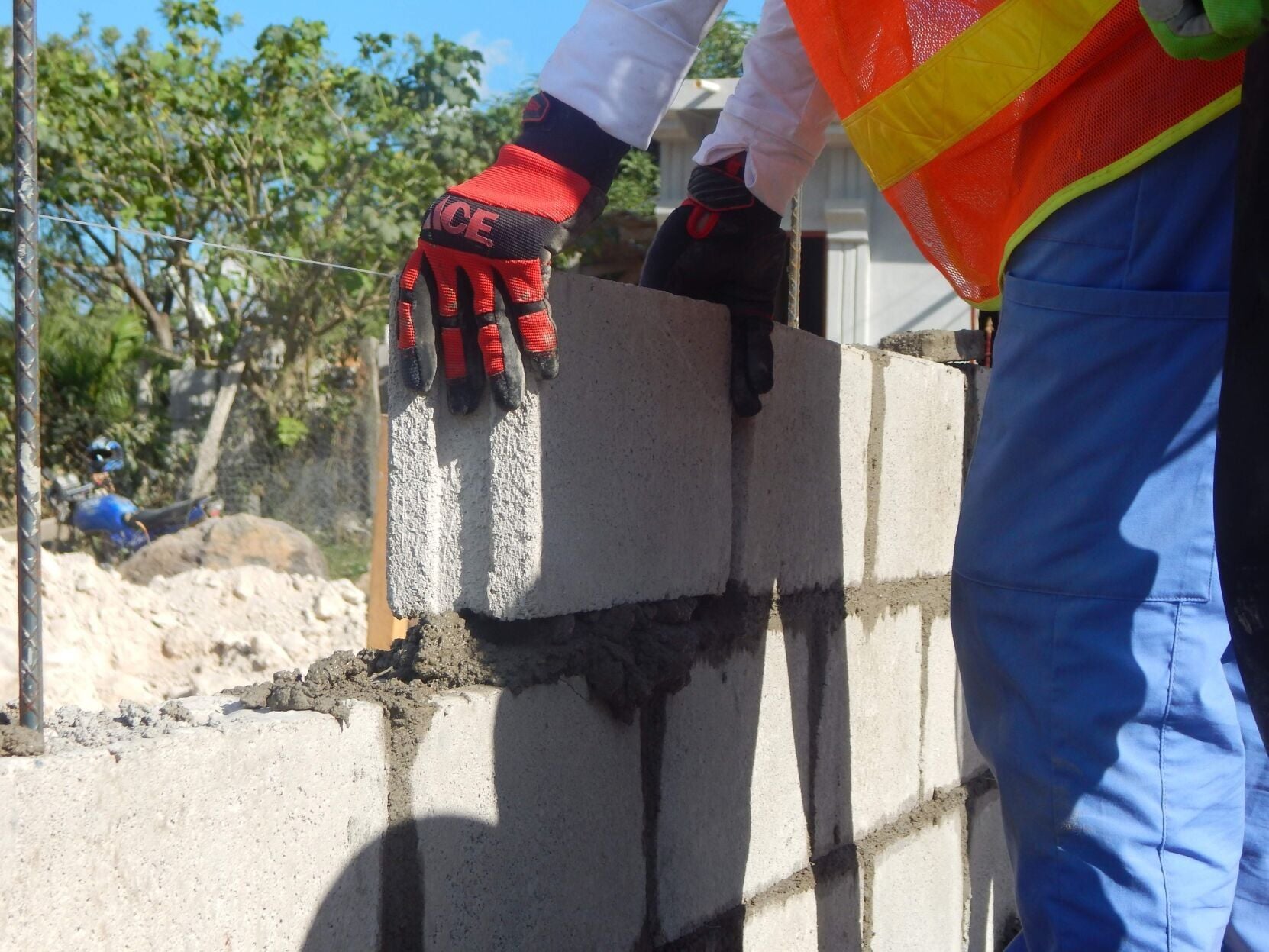
A Habitat for Humanity volunteer helps construct a home in Honduras in 2018.