

WASHINGTON — Federal Reserve officials expect the Iran war will worsen inflation this year while having little effect on economic growth, but they still expect to cut their key rate once in 2026.
People are also reading…
- Scamman named Shenandoah Girls Basketball Team MVP, Cullin, Estes earn varsity awards
- A fantastic baseball career set to continue for Clarinda's Jordan Butt
- Clarinda boys basketball celebrates big, successful senior class
- Leaning on friendship, toughness, Kylie Valdez leads at Essex
- All-state honors for Shenandoah's Scamman, All-Region for Scamman, Wagoner
- Shenandoah's Dumler excited to end 4-sport career playing her favorite, softball
- Great senior groups exit, lot of area basketball talent back next year
- Shenandoah announces Mustangs as unified mascot
- Shenandoah Wrestling celebrates a senior class that changed the program
- Top five individual finishes for Bird, Meier, O'Hara, Roop, Sells at Indoor Championships
- Iowa State basketball guard Mason Williams talks redshirt, recovery
- Graves named Clarinda Boys Wrestling MVP
- Clarinda's Kline, Shenandoah's Sells named second team all-Hawkeye 10
- Shenandoah Education Foundation to improve district branding with new signage
- 3 Takeaways from Iowa’s loss to Ohio State: Was Brendan Hausen fouled on penultimate attempt to tie?

Federal Reserve Chair Jerome Powell speaks Wednesday during a news conference in Washington.
Manuel Balce Ceneta, Associated Press

- WYATTE GRANTHAM-PHILIPS Associated Press
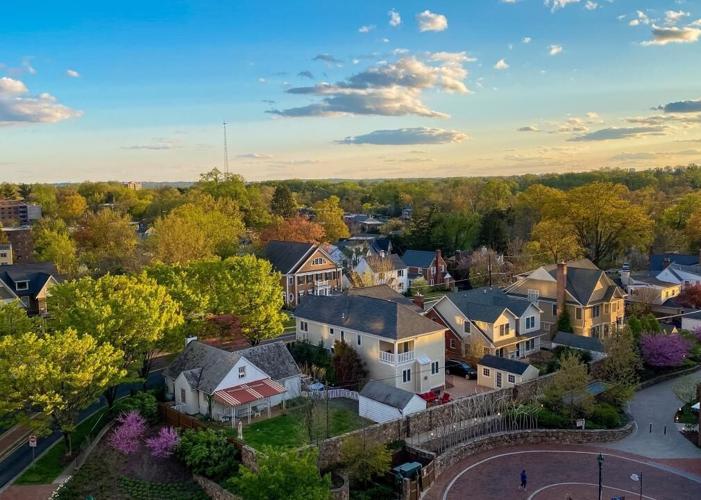
Many Americans who have bid farewell to the workforce or are thinking about it are turning to places that offer affordability, a strong economy, quality health care options, less traffic, and overall, more comfort. Neighborhoods outside major cities and metropolitan areas have grown in popularity among retirees, with 26% moving to smaller towns, but the overall number of people moving for retirement is down.
In 2021, American retirement relocations dropped significantly—approximately 43% less than the previous year, its lowest number of retiree relocations in five years. The Economic Research Federal Reserve Bank of St. Louis suggests this was a result of the ongoing COVID-19 pandemic, soaring home prices, and retirees not having enough savings.
- Nicole Glass Photography // Shutterstock
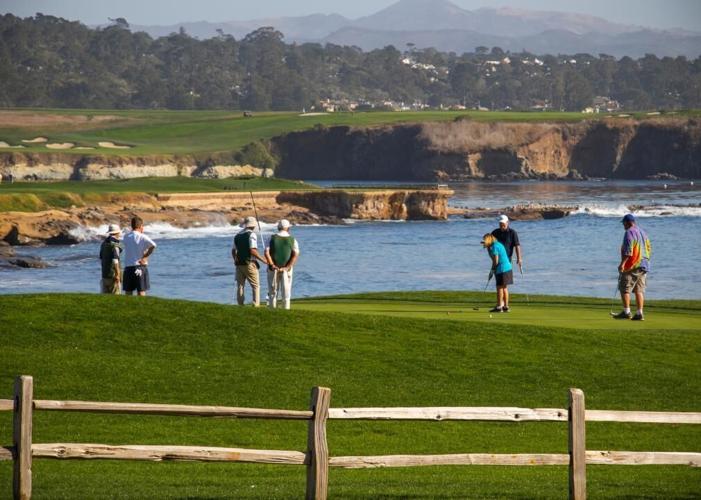
- Population: 4,105 (16% age 55-64 and 40% age 65+)
- Homeowners: 82% of the population
- MiNiProduction // Shutterstock
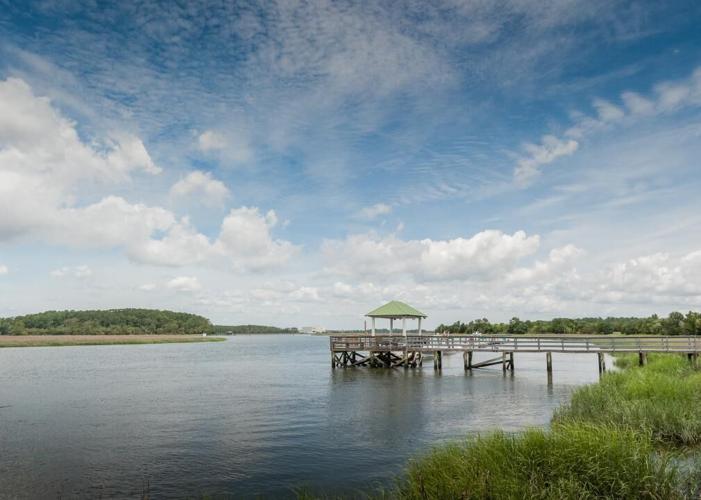
- Population: 1,162 (17% age 55-64 and 28% age 65+)
- Homeowners: 100% of the population
- Diana Daley // Shutterstock
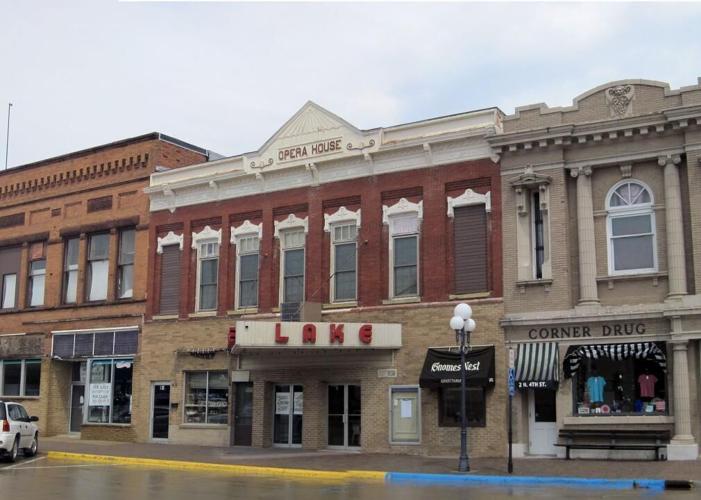
- Population: 7,597 (18% age 55-64 and 25% age 65+)
- Homeowners: 72% of the population
- Billwhittaker // Wikimedia Commons
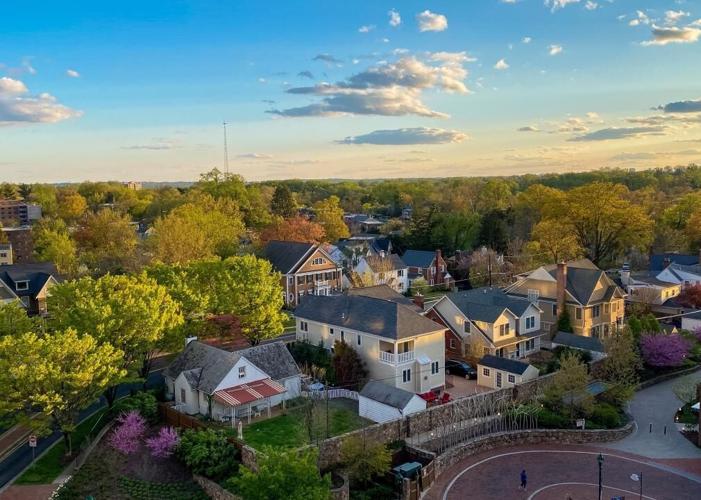
- Population: 9,622 (15% age 55-64 and 23% age 65+)
- Homeowners: 78% of the population
- Nicole Glass Photography // Shutterstock

- Population: 11,077 (15% age 55-64 and 30% age 65+)
- Homeowners: 85% of the population
- Amy Kerkemeyer // Shutterstock
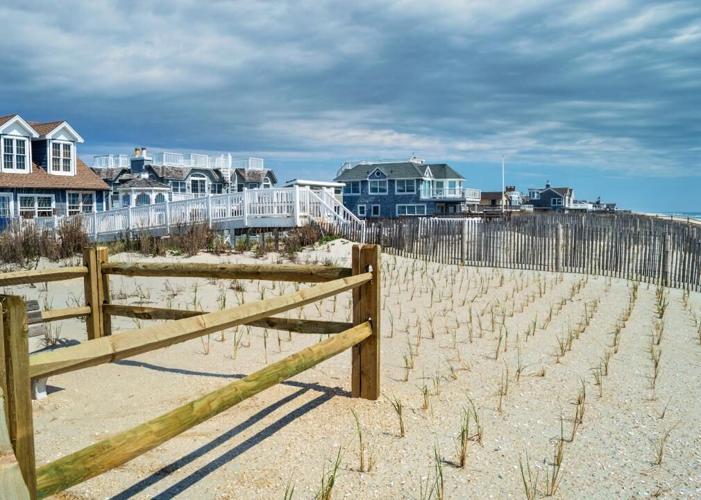
- Population: 1,271 (23% age 55-64 and 50% age 65+)
- Homeowners: 86% of the population
- Andrew F. Kazmierski // Shutterstock
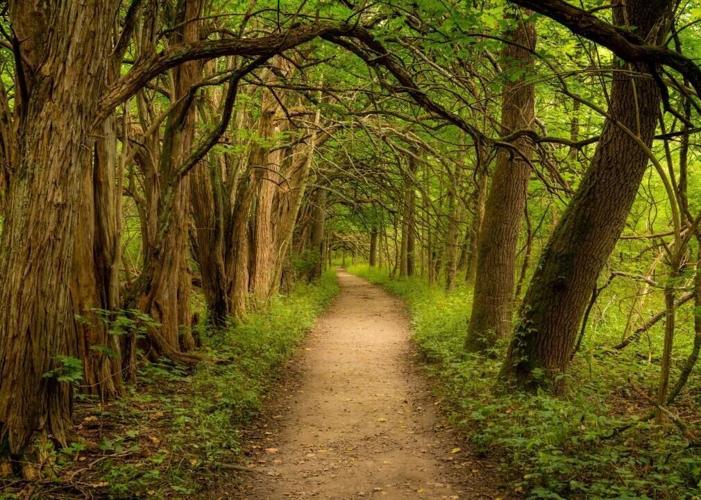
- Population: 7,212 (16% age 55-64 and 19% age 65+)
- Homeowners: 81% of the population
- arthurgphotography // Shutterstock
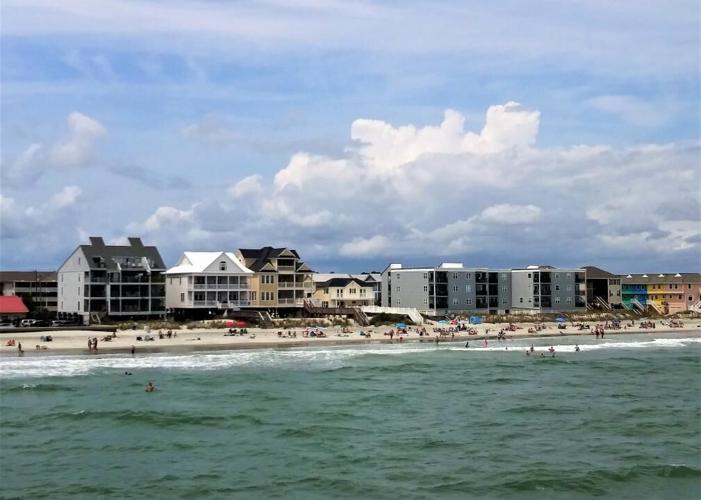
- Population: 10,669 (20% age 55-64 and 40% age 65+)
- Homeowners: 79% of the population
- bsankow // Shutterstock
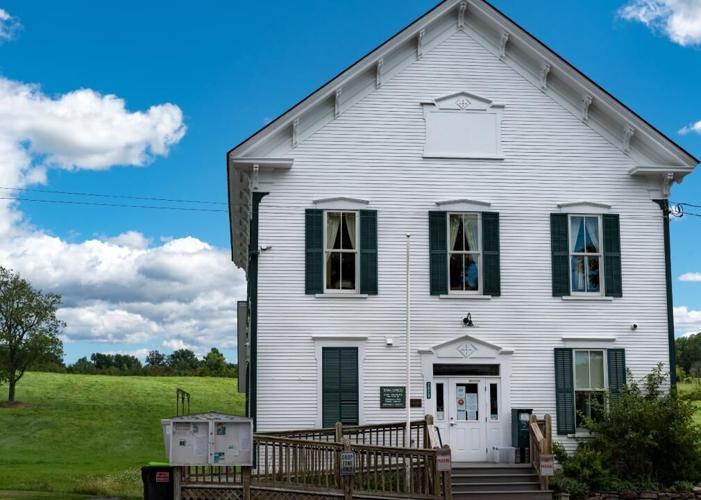
- Population: 1,028 (18% age 55-64 and 29% age 65+)
- Homeowners: 77% of the population
- Bob LoCicero // Shutterstock
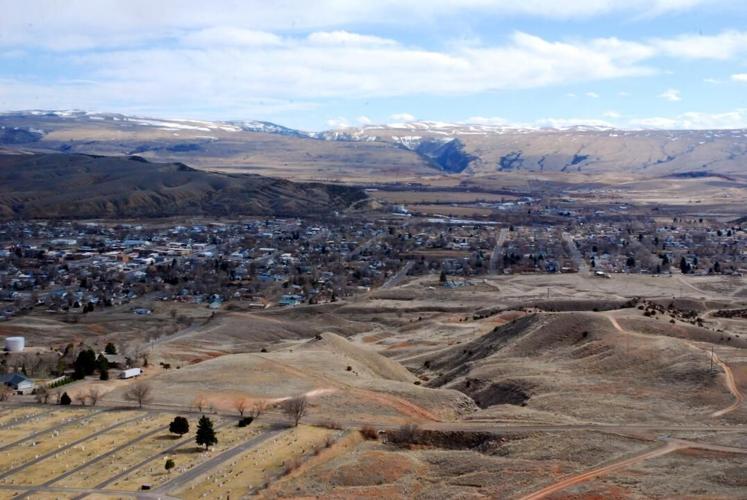
- Population: 2,703 (14% age 55-64 and 26% age 65+)
- Homeowners: 77% of the population
- Jonathan Green // Wikimedia Commons
Best small towns for retirees in every state

Best small towns for retirees in every state
Many Americans who have bid farewell to the workforce or are thinking about it are turning to places that offer affordability, a strong economy, quality health care options, less traffic, and overall, more comfort. Neighborhoods outside major cities and metropolitan areas have grown in popularity among retirees, with 26% moving to smaller towns, but the overall number of people moving for retirement is down.
In 2021, American retirement relocations dropped significantly—approximately 43% less than the previous year, its lowest number of retiree relocations in five years. The Economic Research Federal Reserve Bank of St. Louis suggests this was a result of the ongoing COVID-19 pandemic, soaring home prices, and retirees not having enough savings.
- Nicole Glass Photography // Shutterstock
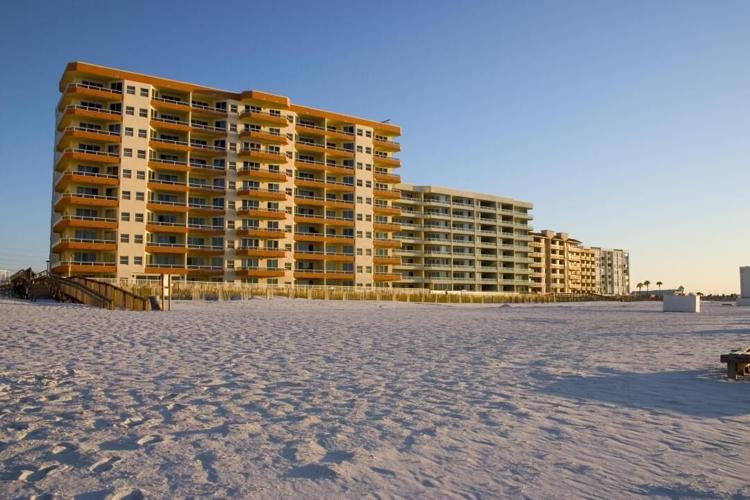
- Population: 6,019 (19% age 55-64 and 34% age 65+)
- Homeowners: 70% of the population
- Chris Watson // Wikimedia Commons
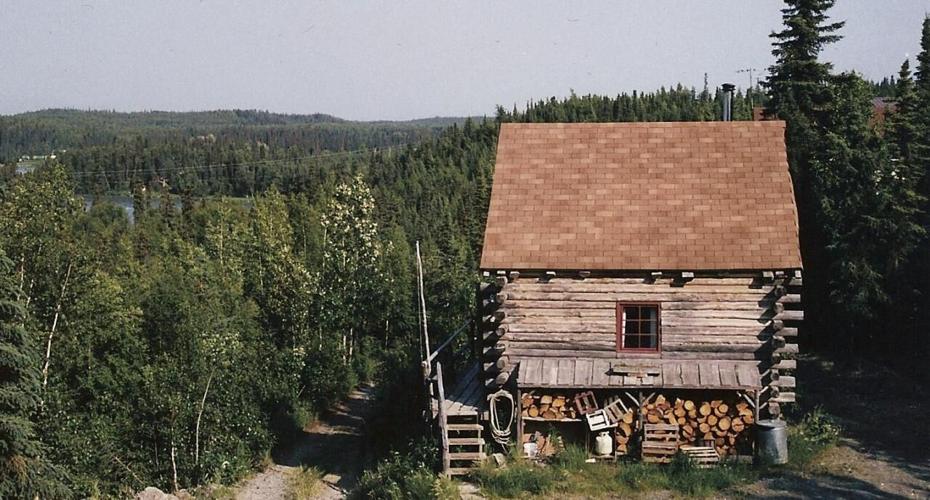
- Population: 4,649 (13% age 55-64 and 20% age 65+)
- Homeowners: 51% of the population
- Brian A. Ridder // Wikimedia Commons
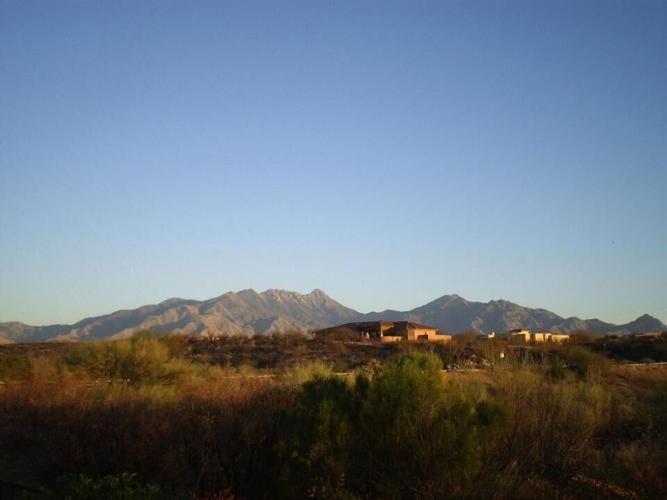
- Population: 20,902 (14% age 55-64 and 80% age 65+)
- Homeowners: 85% of the population
- James Brooks // Wikimedia Commons
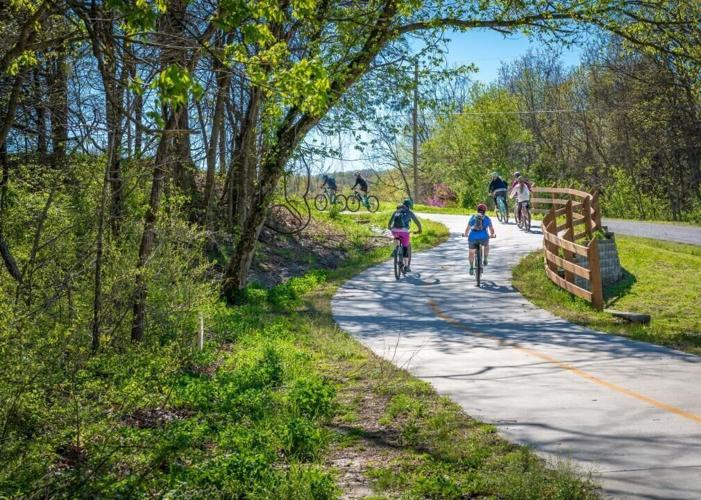
- Population: 28,539 (14% age 55-64 and 33% age 65+)
- Homeowners: 87% of the population
- shuttersv // Shutterstock
- Population: 4,105 (16% age 55-64 and 40% age 65+)
- Homeowners: 82% of the population
- MiNiProduction // Shutterstock
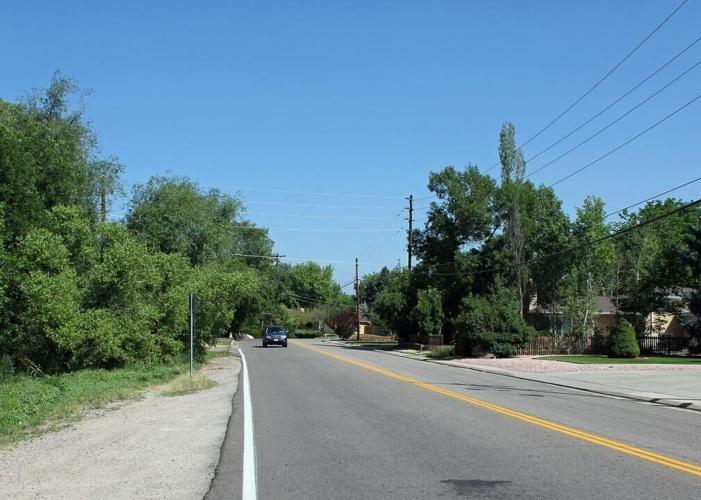
- Population: 2,835 (15% age 55-64 and 21% age 65+)
- Homeowners: 97% of the population
- Jeffrey Beall // Shutterstock
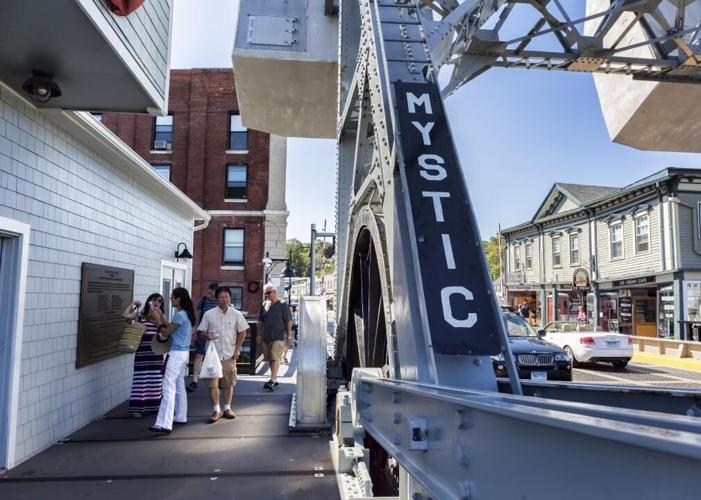
- Population: 4,249 (17% age 55-64 and 32% age 65+)
- Homeowners: 68% of the population
- Paul Latham // Shutterstock
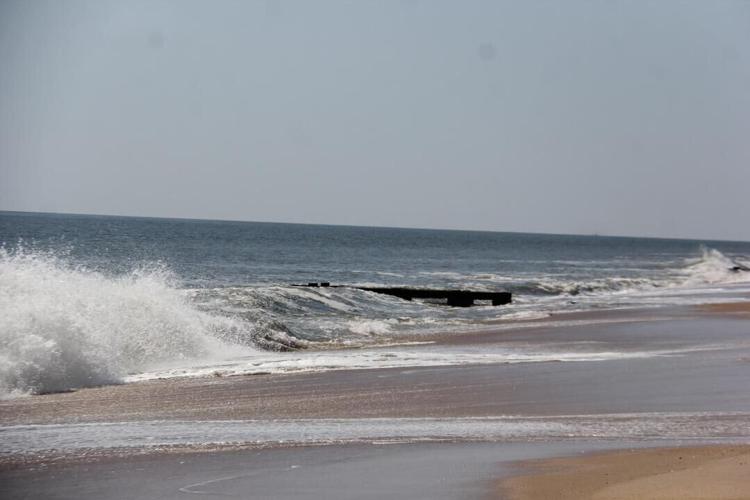
- Population: 1,400 (24% age 55-64 and 48% age 65+)
- Homeowners: 82% of the population
- Ron Shawley // Wikimedia Commons
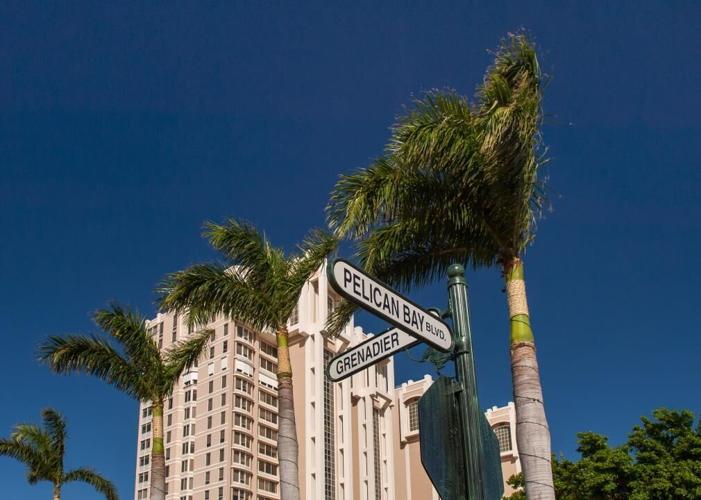
- Population: 6,140 (13% age 55-64 and 83% age 65+)
- Homeowners: 95% of the population
- FloridaStock // Shutterstock
- Population: 1,162 (17% age 55-64 and 28% age 65+)
- Homeowners: 100% of the population
- Diana Daley // Shutterstock

- Population: 6,218 (23% age 55-64 and 25% age 65+)
- Homeowners: 60% of the population
- Elena_Suvorova // Shutterstock
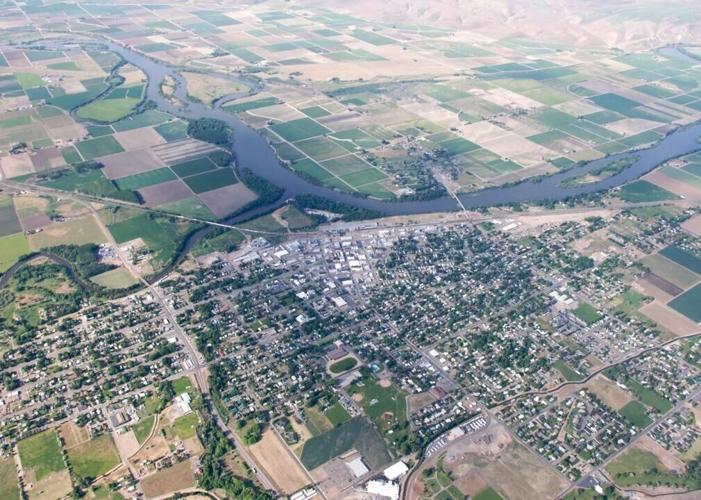
- Population: 5,323 (14% age 55-64 and 20% age 65+)
- Homeowners: 62% of the population
- Sam Beebe // Wikimedia Commons
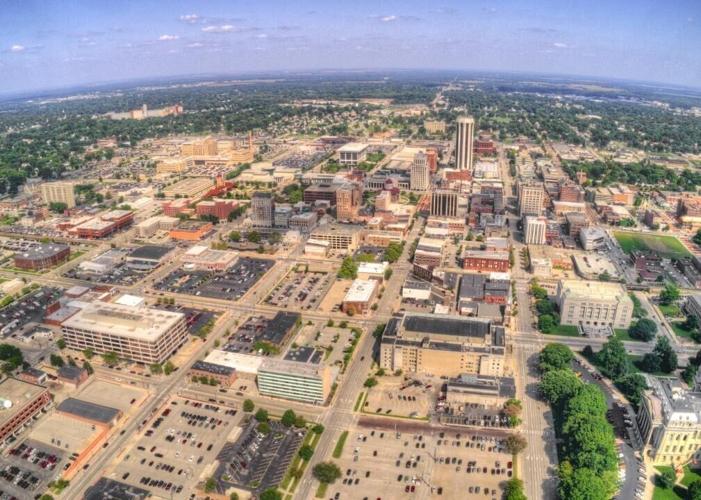
- Population: 1,406 (17% age 55-64 and 34% age 65+)
- Homeowners: 95% of the population
- Jacob Boomsma // Shutterstock
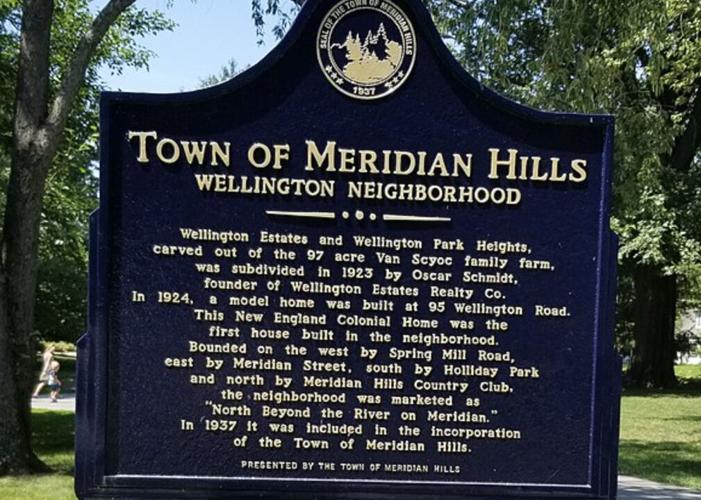
- Population: 1,741 (15% age 55-64 and 18% age 65+)
- Homeowners: 98% of the population
- ONUnicorn // Wikimedia Commons
- Population: 7,597 (18% age 55-64 and 25% age 65+)
- Homeowners: 72% of the population
- Billwhittaker // Wikimedia Commons
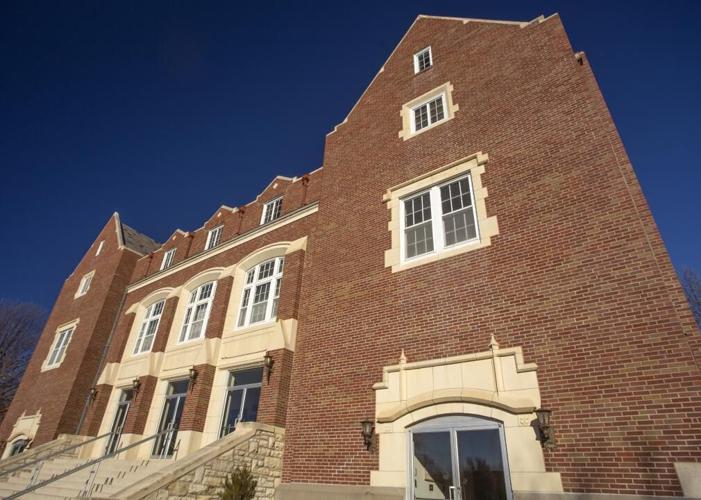
- Population: 1,778 (10% age 55-64 and 30% age 65+)
- Homeowners: 57% of the population
- Weldon Schloneger // Shutterstock
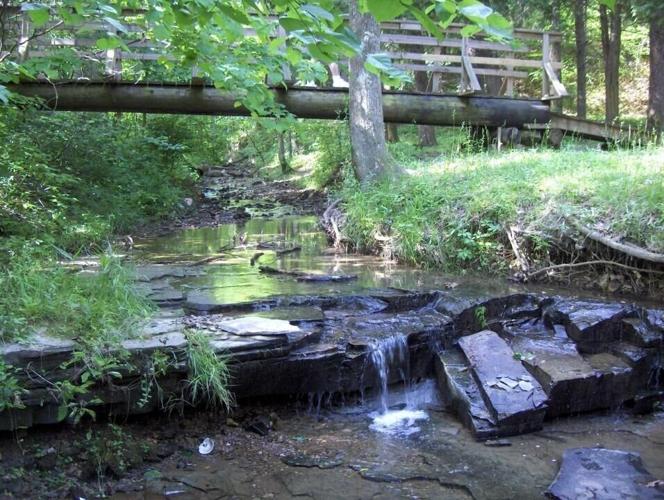
- Population: 2,433 (19% age 55-64 and 33% age 65+)
- Homeowners: 94% of the population
- John Knouse // Wikimedia Commons
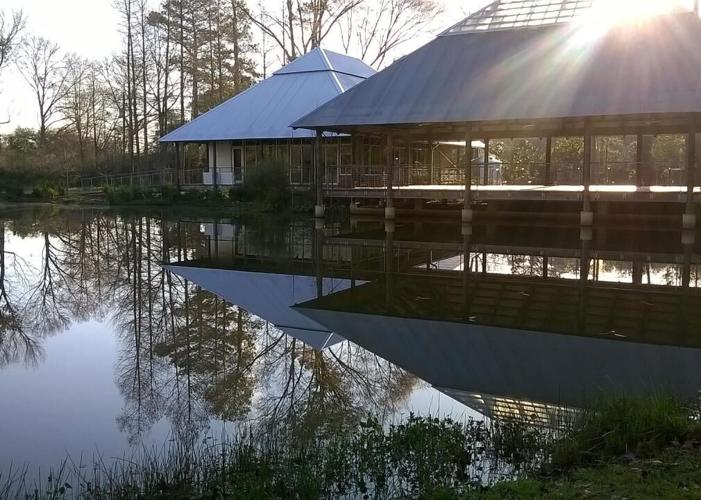
- Population: 2,760 (11% age 55-64 and 22% age 65+)
- Homeowners: 71% of the population
- H.dryad // Wikimedia Commons
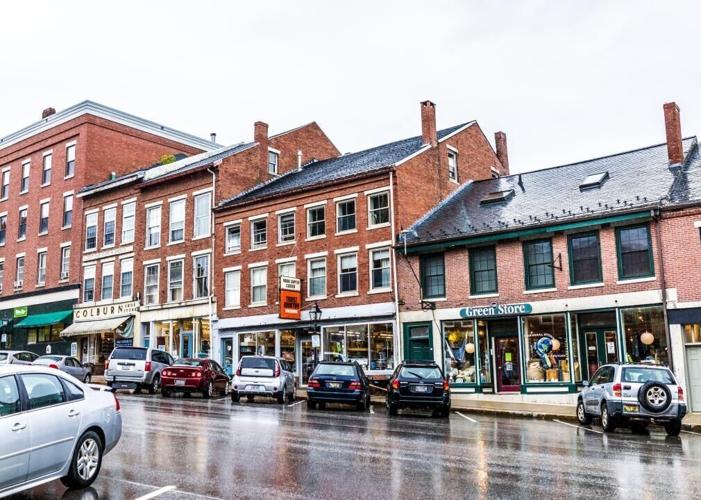
- Population: 6,688 (17% age 55-64 and 26% age 65+)
- Homeowners: 63% of the population
- Kristi Blokhin // Shutterstock
- Population: 9,622 (15% age 55-64 and 23% age 65+)
- Homeowners: 78% of the population
- Nicole Glass Photography // Shutterstock
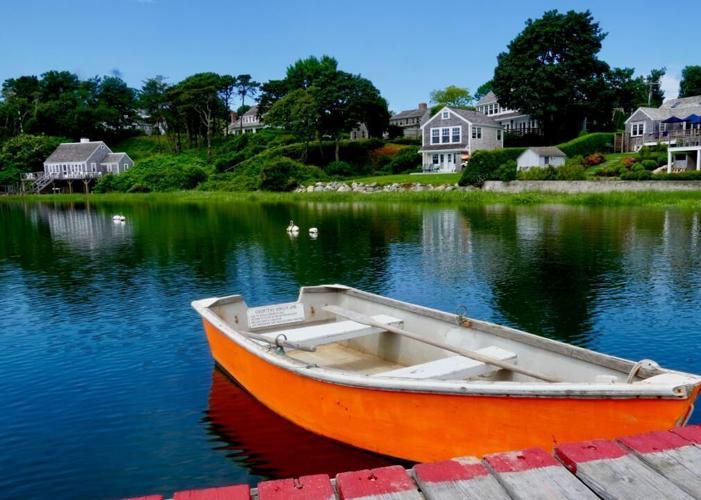
- Population: 6,019 (18% age 55-64 and 45% age 65+)
- Homeowners: 84% of the population
- J.A. Johnson // Shutterstock
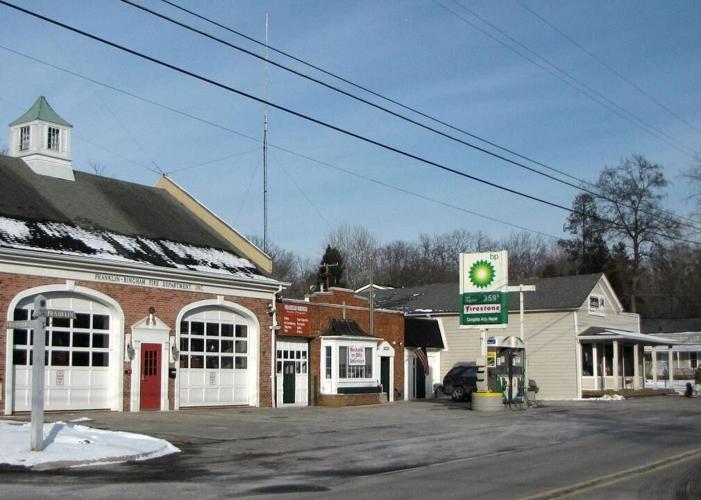
- Population: 1,129 (16% age 55-64 and 48% age 65+)
- Homeowners: 89% of the population
- Traveler100 // Wikimedia Commons
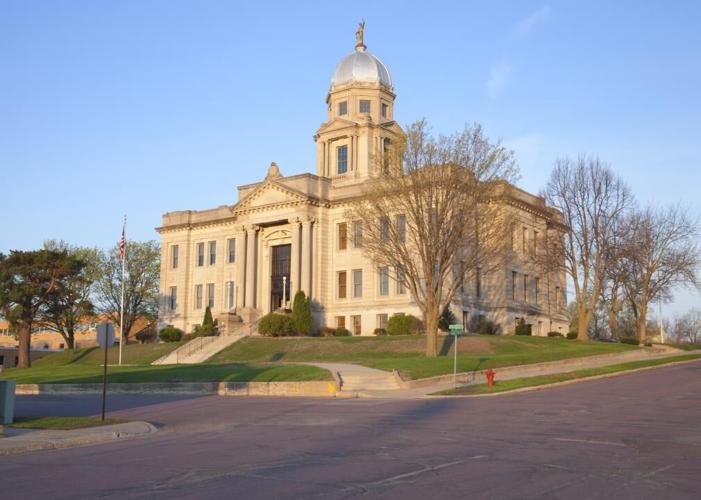
- Population: 3,219 (18% age 55-64 and 24% age 65+)
- Homeowners: 75% of the population
- Dan Thornberg // Shutterstock
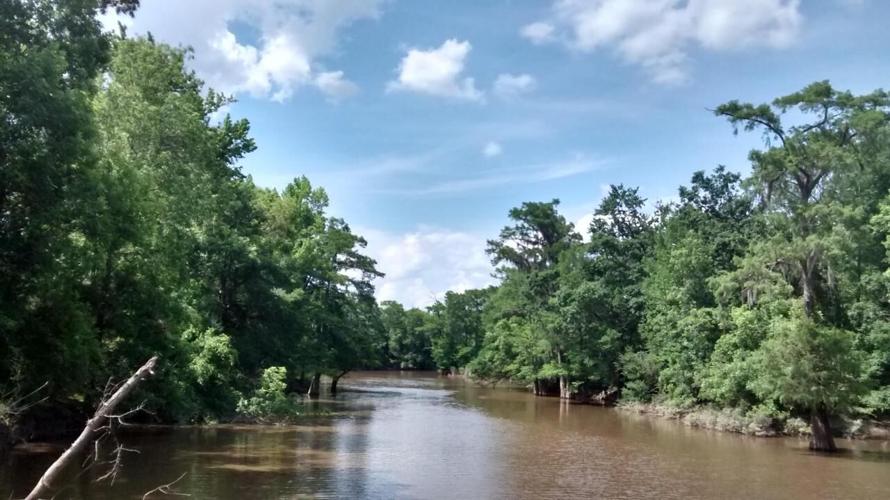
- Population: 2,392 (17% age 55-64 and 28% age 65+)
- Homeowners: 87% of the population
- Aaron Manning // Wikimedia Commons
- Population: 11,077 (15% age 55-64 and 30% age 65+)
- Homeowners: 85% of the population
- Amy Kerkemeyer // Shutterstock
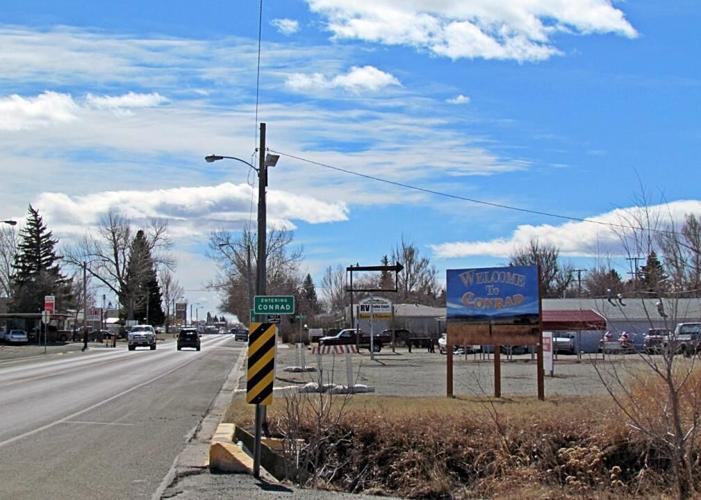
- Population: 2,633 (15% age 55-64 and 21% age 65+)
- Homeowners: 73% of the population
- 5of7 // Wikimedia Commons
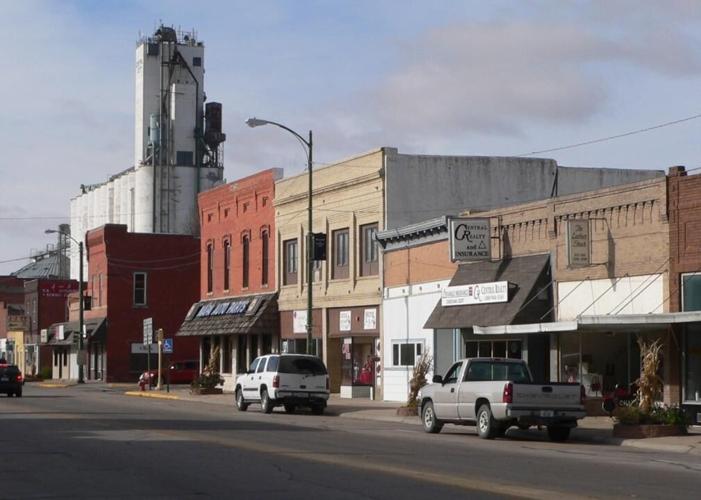
- Population: 2,903 (10% age 55-64 and 25% age 65+)
- Homeowners: 60% of the population
- Ammodramus // Wikimedia Commons
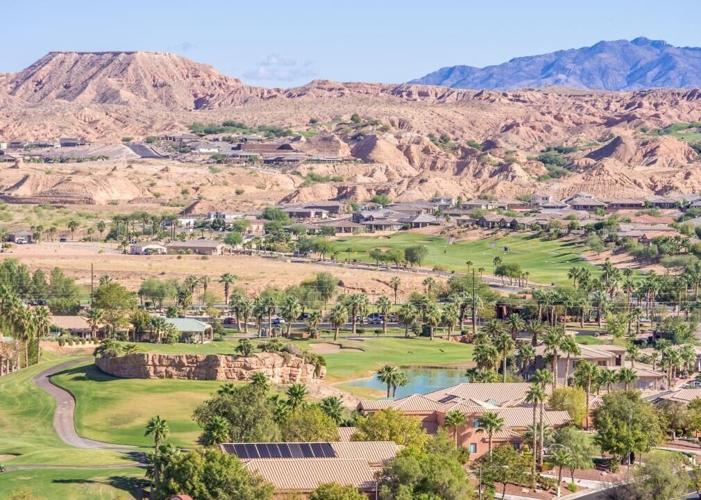
- Population: 18,446 (15% age 55-64 and 41% age 65+)
- Homeowners: 73% of the population
- Steve Lagreca // Shutterstock
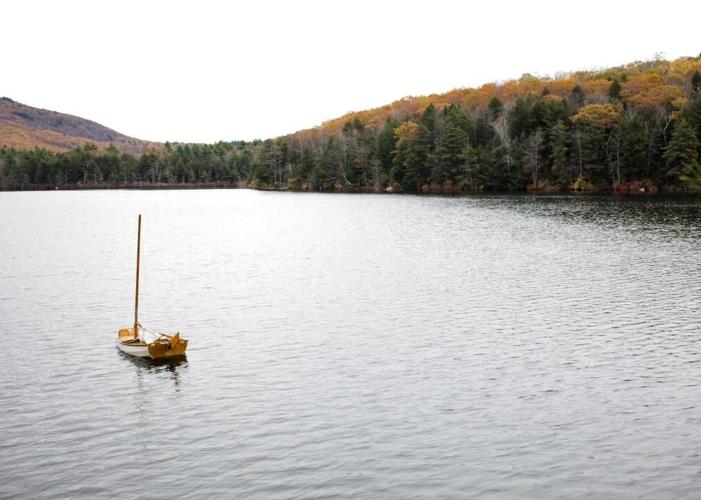
- Population: 6,604 (18% age 55-64 and 27% age 65+)
- Homeowners: 67% of the population
- M.Bailey // Shutterstock
- Population: 1,271 (23% age 55-64 and 50% age 65+)
- Homeowners: 86% of the population
- Andrew F. Kazmierski // Shutterstock
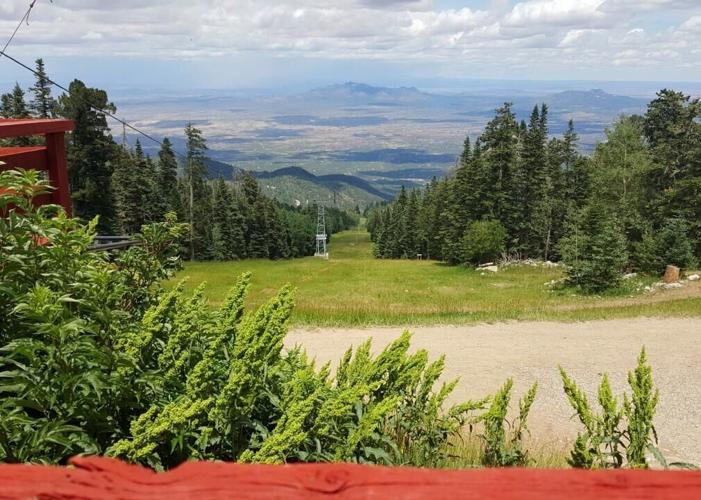
- Population: 3,571 (17% age 55-64 and 44% age 65+)
- Homeowners: 97% of the population
- Karl Cox // Shutterstock
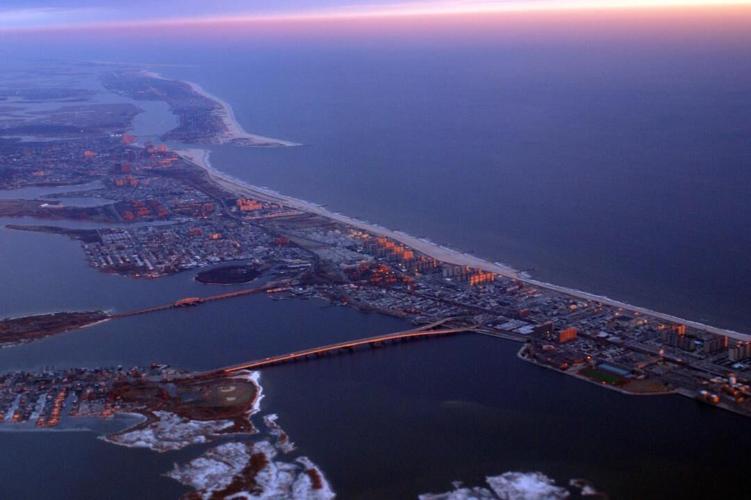
- Population: 3,119 (12% age 55-64 and 31% age 65+)
- Homeowners: 100% of the population
- Eric Salard // Wikimedia Commons
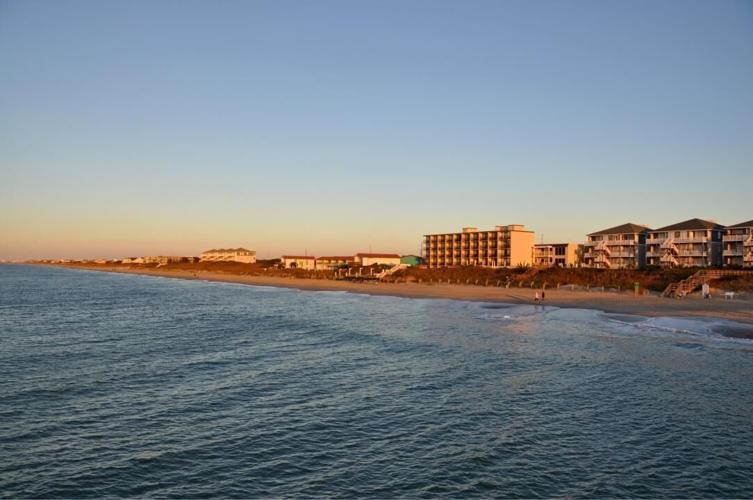
- Population: 1,343 (22% age 55-64 and 47% age 65+)
- Homeowners: 89% of the population
- James Willamor // Wikimedia Commons
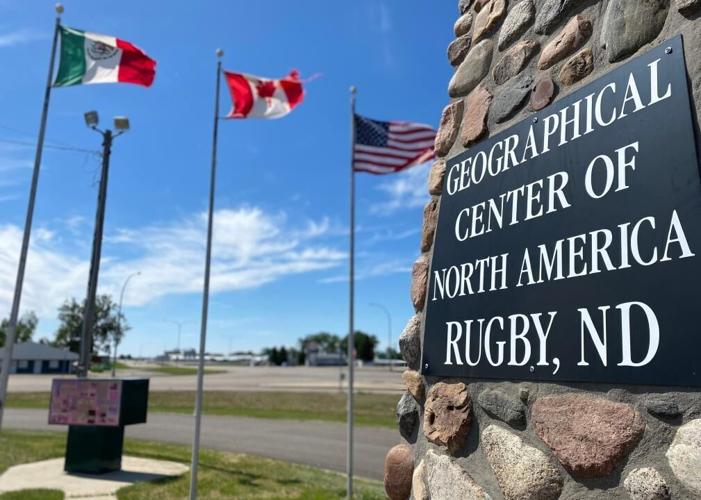
- Population: 2,724 (15% age 55-64 and 29% age 65+)
- Homeowners: 71% of the population
- Tim Samuelson // Shutterstock
- Population: 7,212 (16% age 55-64 and 19% age 65+)
- Homeowners: 81% of the population
- arthurgphotography // Shutterstock
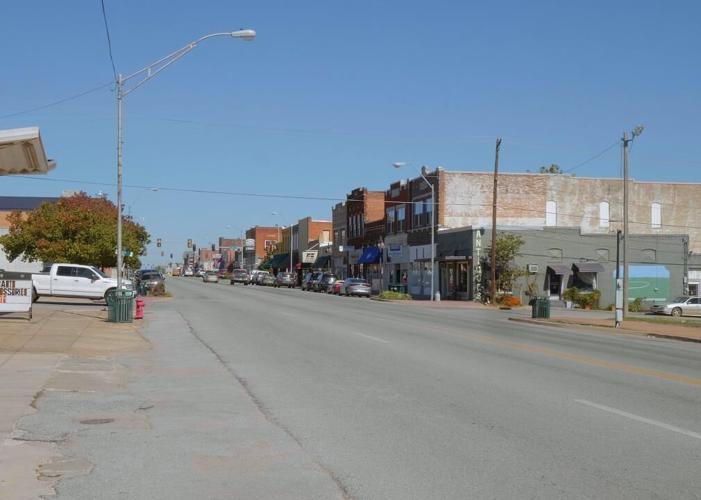
- Population: 9,452 (11% age 55-64 and 18% age 65+)
- Homeowners: 67% of the population
- 4kclips // Shutterstock
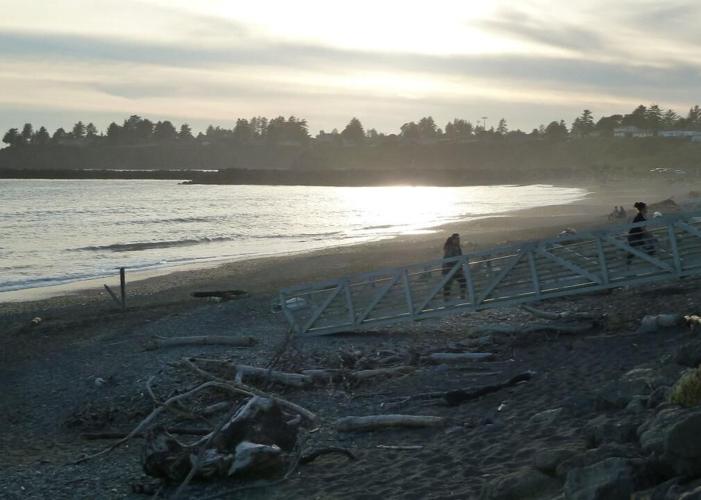
- Population: 1,958 (15% age 55-64 and 71% age 65+)
- Homeowners: 84% of the population
- Cary Bass // Wikimedia Commons
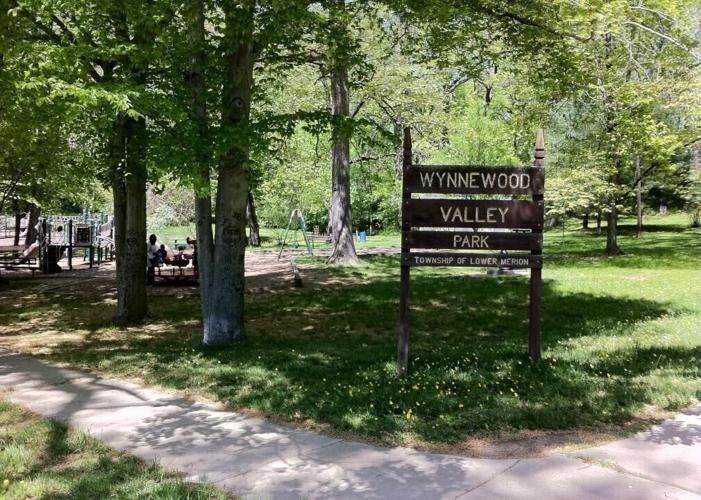
- Population: 5,932 (15% age 55-64 and 26% age 65+)
- Homeowners: 87% of the population
- ifly6 // Wikimedia Commons
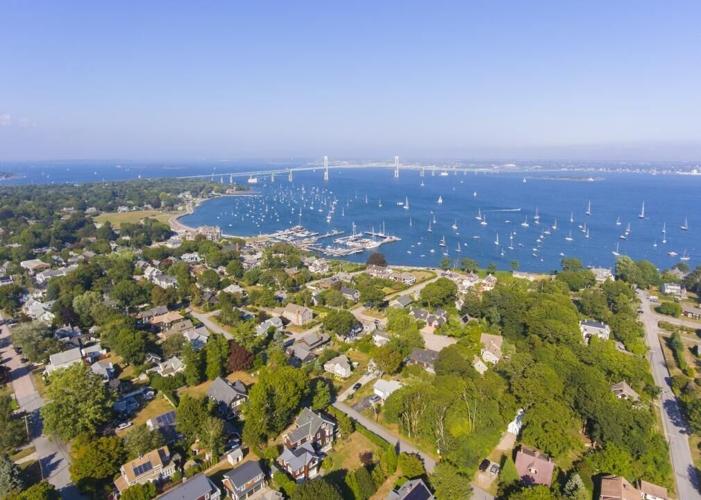
- Population: 5,494 (19% age 55-64 and 26% age 65+)
- Homeowners: 83% of the population
- Wangkun Jia // Shutterstock
- Population: 10,669 (20% age 55-64 and 40% age 65+)
- Homeowners: 79% of the population
- bsankow // Shutterstock
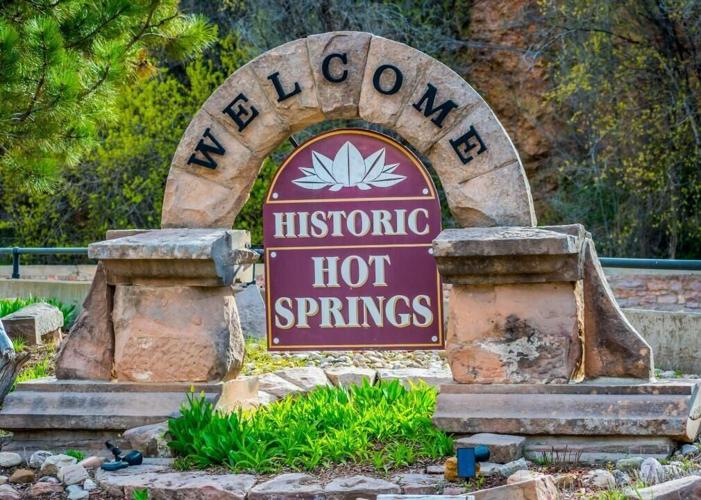
- Population: 3,509 (17% age 55-64 and 28% age 65+)
- Homeowners: 68% of the population
- Cheri Alguire // Shutterstock
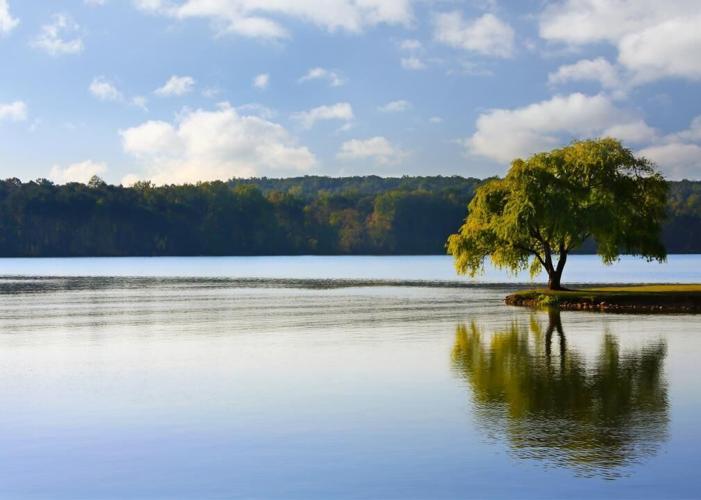
- Population: 22,631 (16% age 55-64 and 23% age 65+)
- Homeowners: 89% of the population
- Melinda Fawver // Shutterstock
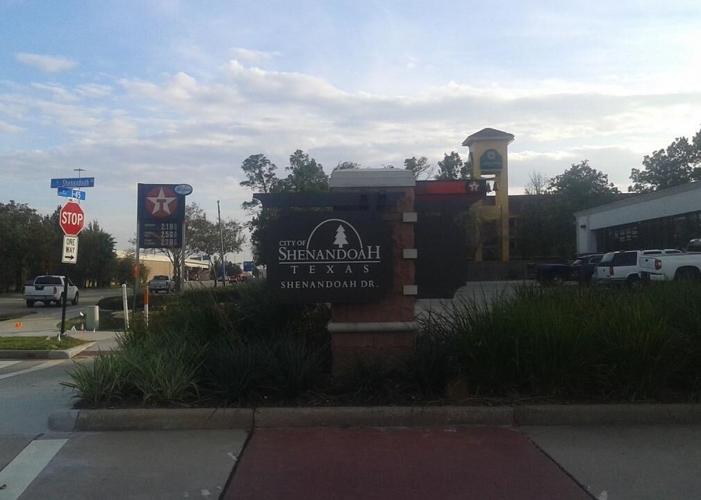
- Population: 2,887 (10% age 55-64 and 40% age 65+)
- Homeowners: 55% of the population
- Stedil // Wikimedia Commons
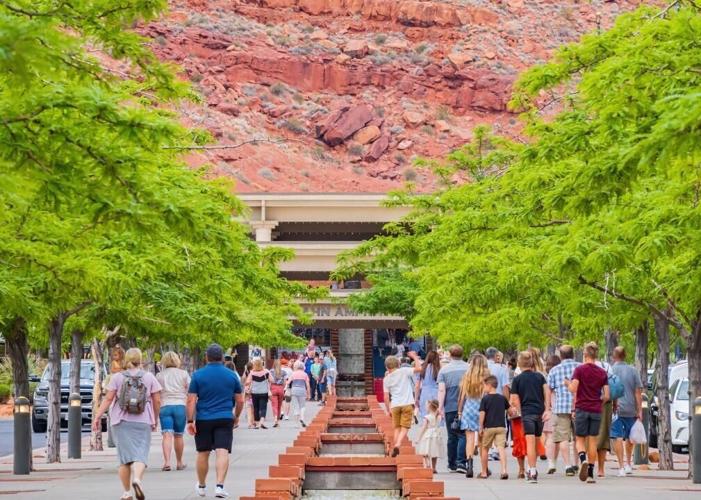
- Population: 8,530 (14% age 55-64 and 30% age 65+)
- Homeowners: 83% of the population
- Kit Leong // Shutterstock
- Population: 1,028 (18% age 55-64 and 29% age 65+)
- Homeowners: 77% of the population
- Bob LoCicero // Shutterstock
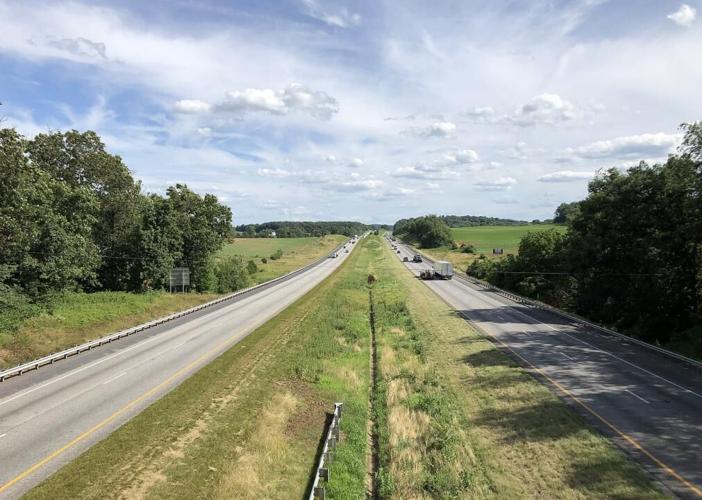
- Population: 1,226 (13% age 55-64 and 34% age 65+)
- Homeowners: 100% of the population
- Famartin // Wikimedia Commons
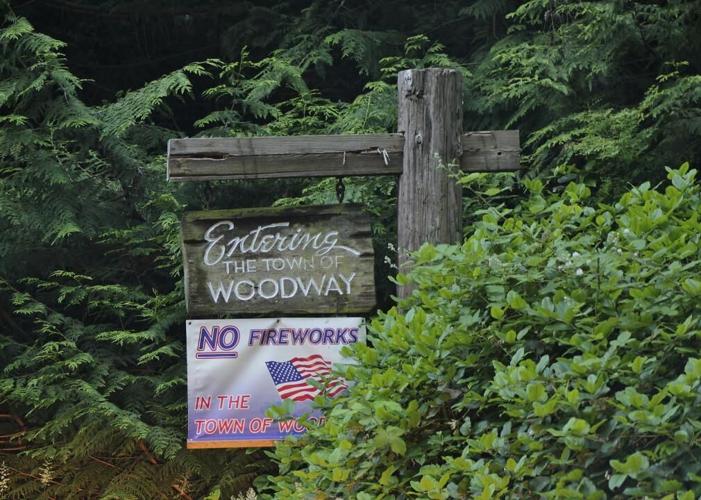
- Population: 1,105 (13% age 55-64 and 23% age 65+)
- Homeowners: 97% of the population
- SounderBruce // Wikimedia Commons
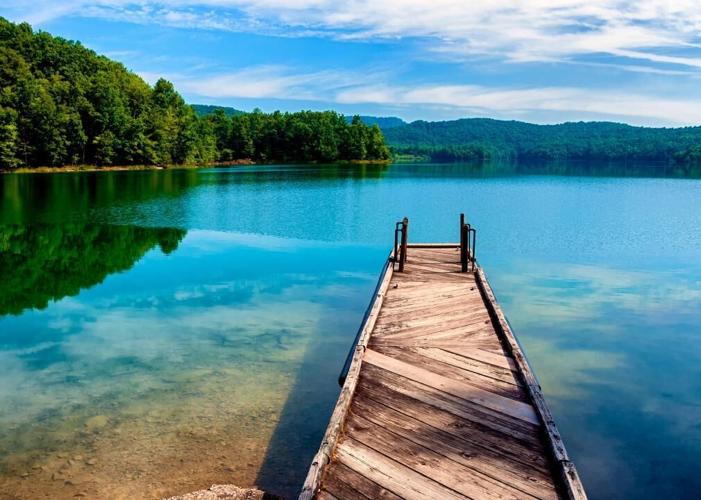
- Population: 3,368 (20% age 55-64 and 28% age 65+)
- Homeowners: 69% of the population
- Malachi Jacobs // Shutterstock
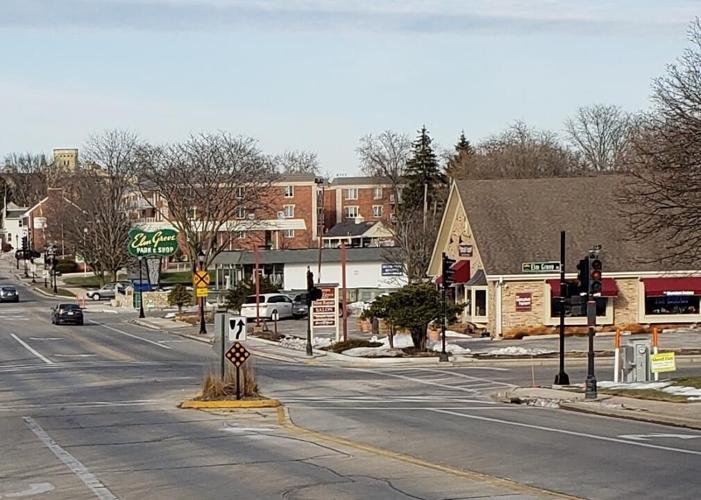
- Population: 6,153 (14% age 55-64 and 25% age 65+)
- Homeowners: 93% of the population
- Porterhse // Wikimedia Commons
- Population: 2,703 (14% age 55-64 and 26% age 65+)
- Homeowners: 77% of the population
- Jonathan Green // Wikimedia Commons

Cheerful couple walking on pedestrian street.
- Rido // Shutterstock