

North Iowa women visit Antarctica and discover a 'different world'
Two North Iowa women went on the trip of a lifetime to Antarctica in January.
Anne Brown of Mason City told the Mason City Globe Gazette that, when the ship they were on arrived at the icy continent, "the first thing I thought was, this is some different world."
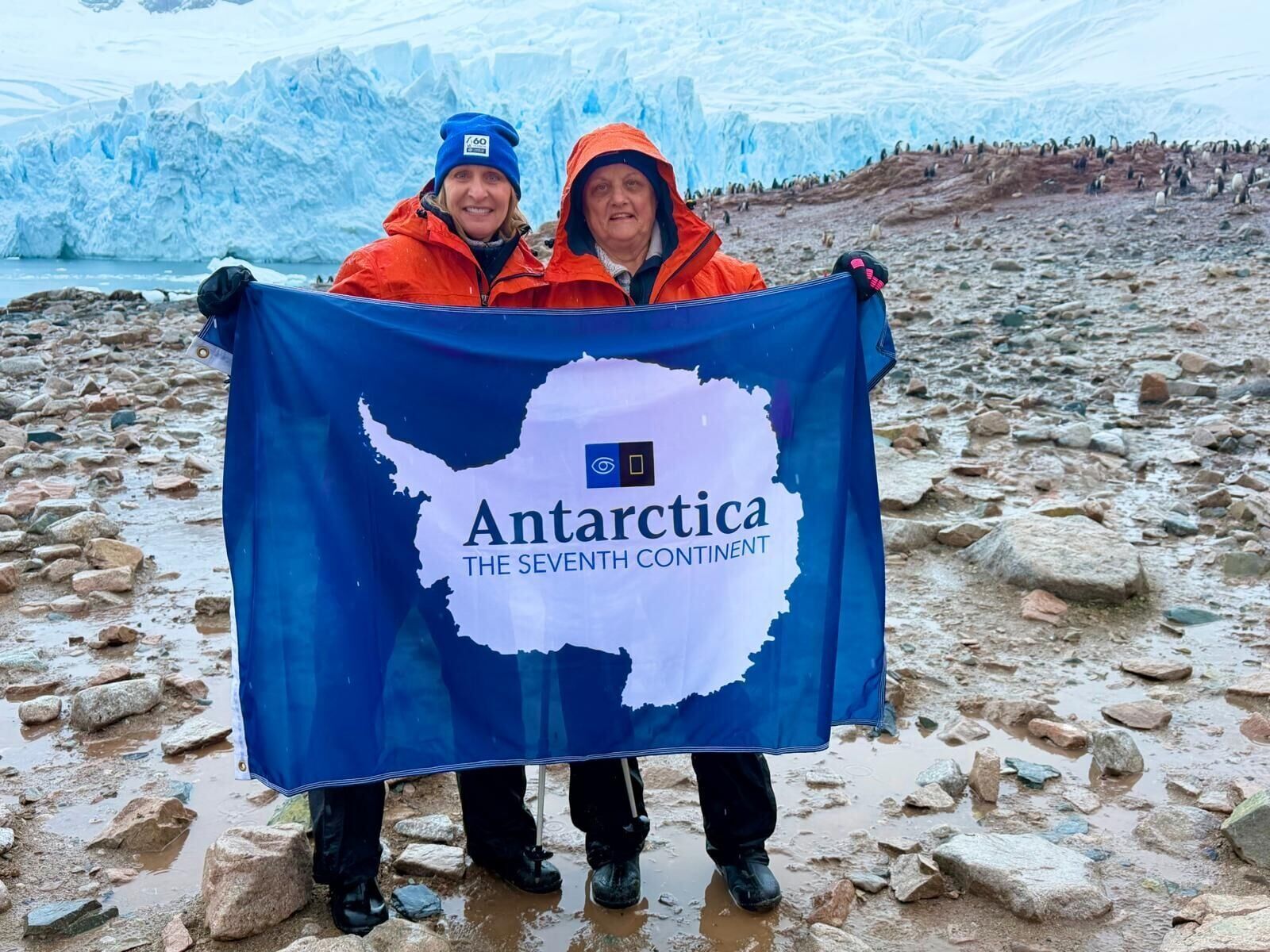
Kelly Fischer of Nora Springs, left, and Anne Brown of Mason City recently went on a trip to Antarctica.
"It was like we weren't on planet Earth," said her friend and travel companion, Kelly Fischer of Nora Springs. "Between the mountains, the glaciers, the icebergs, the penguins jumping out of the water, you just don't know where to look. It's just so vast that you could just stand there and look all day."
Brown, a retired social studies teacher at John Adams Middle School in Mason City, was first inspired to visit Antarctica a decade ago when she was teaching seventh graders about climate change.
She used Antarctica as an example because of ice loss caused by warming of the Southern Ocean.
As she did research on Antarctica, "I thought, 'I really want to go. I have to go,'" Brown said.
She began talking about it to Fischer, who was a nurse at John Adams at the time. Fischer is also retired now.
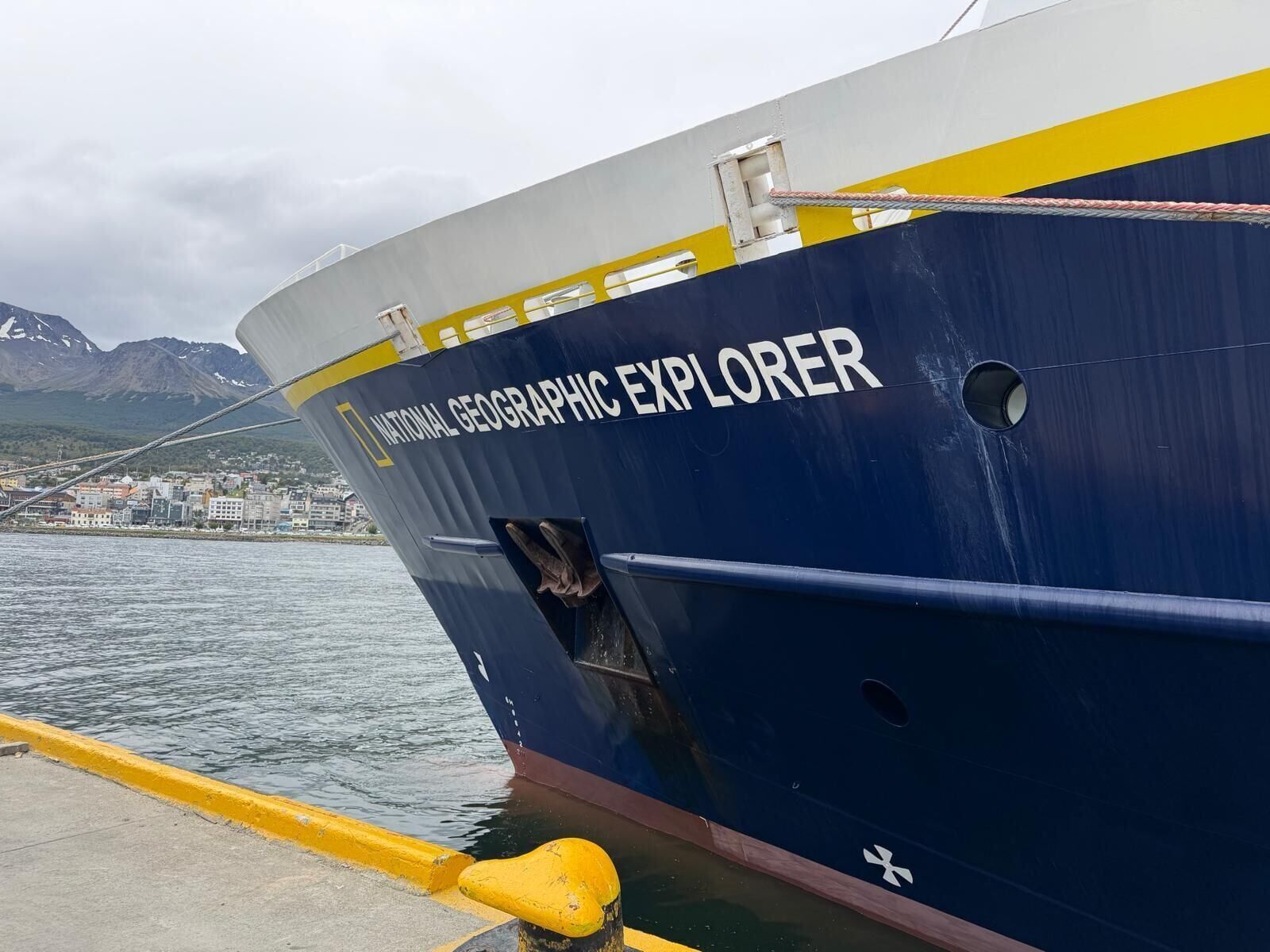
National Geographic offers guided trips to Antarctica.
The talk became more serious three or four years ago. They decided to go on a National Geographic excursion because naturalists would be going with them. Brown and Fischer also knew they wanted to go sometime in January because Antarctica is in the Southern Hemisphere and the seasons are the direct opposite of the Northern Hemisphere. Then they needed time to save money for the trip.
More than 80,000 tourists stepped foot in Antarctica in 2024-25, according to the most recent statistics from the International Association of Antarctica Tour Operators.
Tourism to Antarctica, which is populated by only 1,000 people at research stations during the winter and 5,000 during the summer, is strictly regulated to reduce environmental impact.
The 30 countries that govern Antarctica under a 1957 treaty are very protective of the continent, according to Fischer.
On Jan. 21, Brown and Fischer flew from Minneapolis to Miami, and then to Buenos Aires and finally to Ushuaia, Argentina, the southern-most city in the world. From there they traveled by ship to Antarctica, a trip that took 48 hours.
During this portion of the journey, Brown and Fischer had plenty to time to get to know their fellow passengers, including scientists, researchers and university professors. They said they learned a lot from them about Antarctica and its wildlife.
The ship docked on the Antarctic Peninsula, which is on the northernmost part of the continent's mainland. From there, the group went out on kayaks or inflatable Zodiac boats to explore.
There were 140 passengers on the ship, but only half of them could go out at one time because of the tourism regulations.
Although temperatures in Antarctica are extremely cold during its winter season, they are warmer in the summer. Brown and Fischer said they experienced daytime temperatures of around 35 degrees, which was much warmer than the sub-zero weather back home at the time.
The travelers went back to the ship at night.
"We had a nice room with a bathroom, a TV and a big window," Fischer said. "We could look out at the ocean. It was very comfortable."
There were a few times during their stay in Antarctica the sea was too rough to go out on the Zodiac boats, and one day the group got caught in the rain while they were out. However, other than that they had plenty of time to explore.
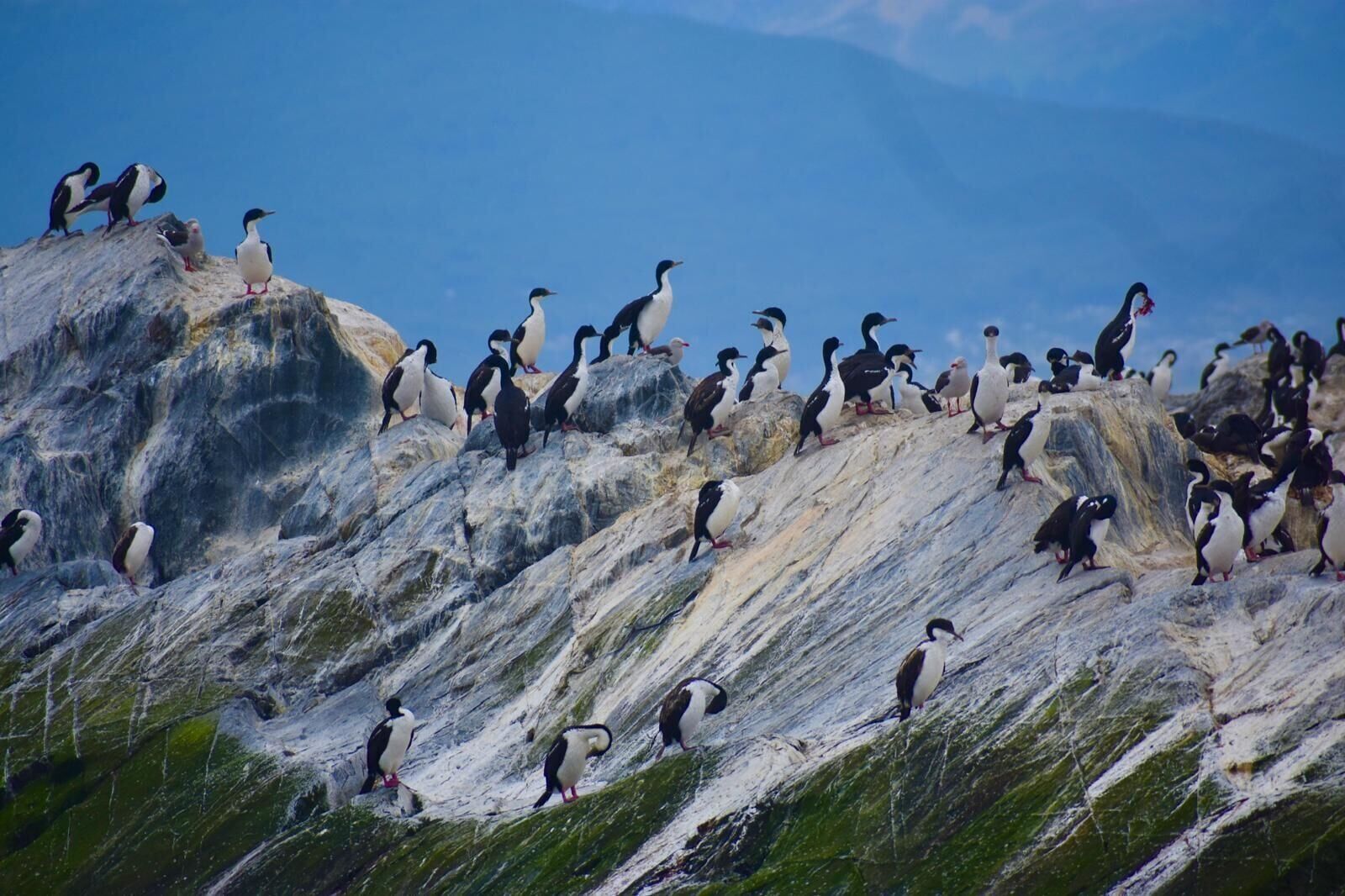
Anne Brown and Kelly Fischer saw thousands of penguins during their recent trip to Antarctica.
They saw thousands and thousands of penguins. Brown said tourists are required to stay 10 to 15 feet away from them, but it was difficult.
"They're not afraid," Fischer said. "If they started walking up to us, we had to back away."
Dense fog rolled in when the ship was scheduled to leave Antarctica, so they stayed two days longer than expected. However, Brown said they were still able to go out on Zodiac boats.
Instead of sailing back to South America on the ship, the group flew back from Antarctica. Fischer and Brown arrived back home Feb. 3.
"It was just a privilege to see that part of the world," Fischer said.
Related

Anne Brown of Mason City and Kelly Fischer of Nora Springs shared with the Globe Gazette a video they took during their trip to Antarctica.