You'd think if there was an Iowa archaeological site containing evidence of a one-of-a-kind native settlement located in your back yard, everyone would know about it.
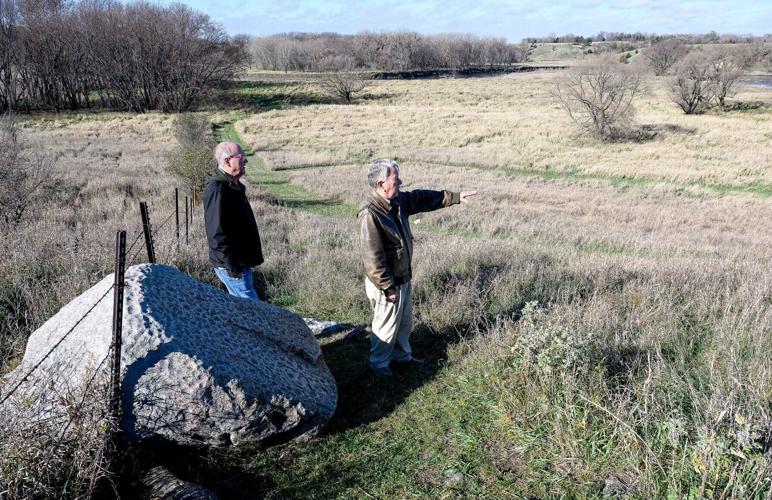
Steve Simons, president of Friends of Blood Run, left, and Jim Zangger, vice president, stand at a large pitted boulder overlooking what was once the agricultural fields at the Blood Run National Historic Landmark located along the Big Sioux River west of Larchwood. The group is hoping to build a research center near the site, which was a large indigenous village and trade center hundreds of years ago. It is believed the pits on the boulder were marks of significant events for the indigenous people who lived there.
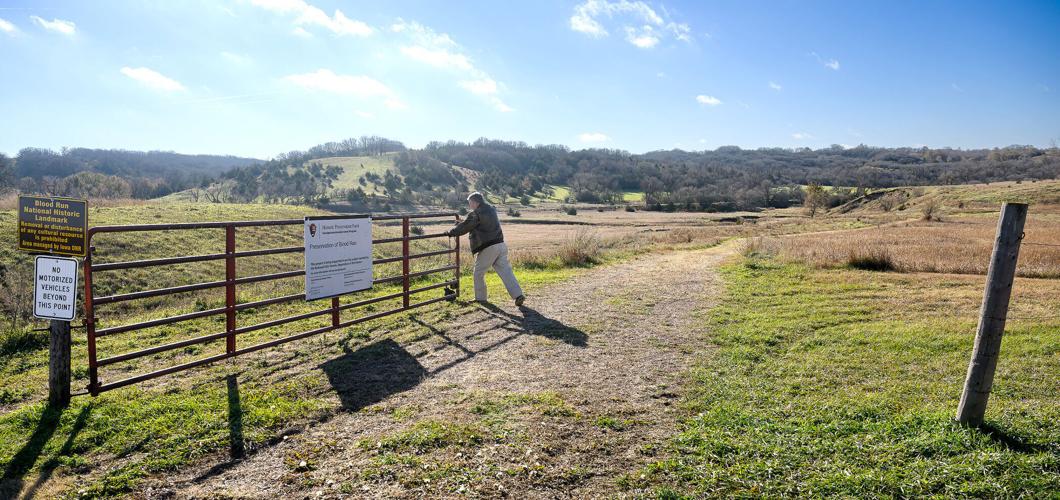
Jim Zangger, vice president of Friends of Blood Run, opens a gate at the Blood Run National Historic Landmark located along the Big Sioux River west of Larchwood. The site is significant for its evidence of native Oneota culture that included ancestors of at least four Indian tribes.
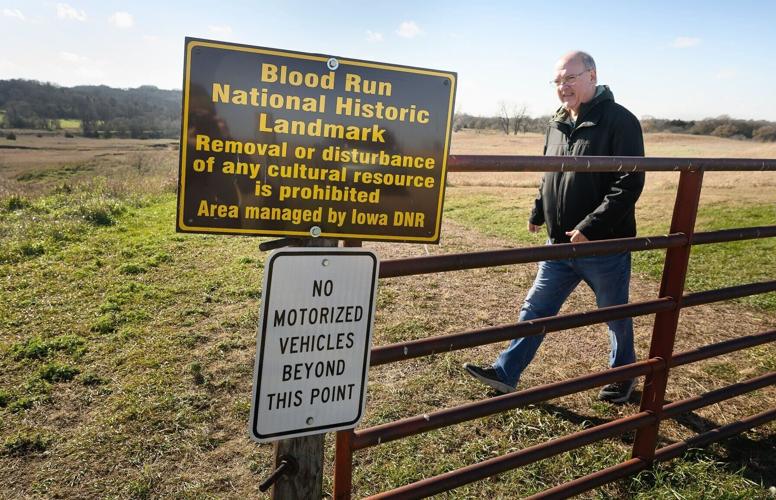
Steve Simons, president of Friends of Blood Run, walks around a gate at the Blood Run National Historic Landmark located along the Big Sioux River west of Larchwood. An estimated 4,000 native people once lived at the site hundreds of years ago and were known for their pioneering agricultural advances.
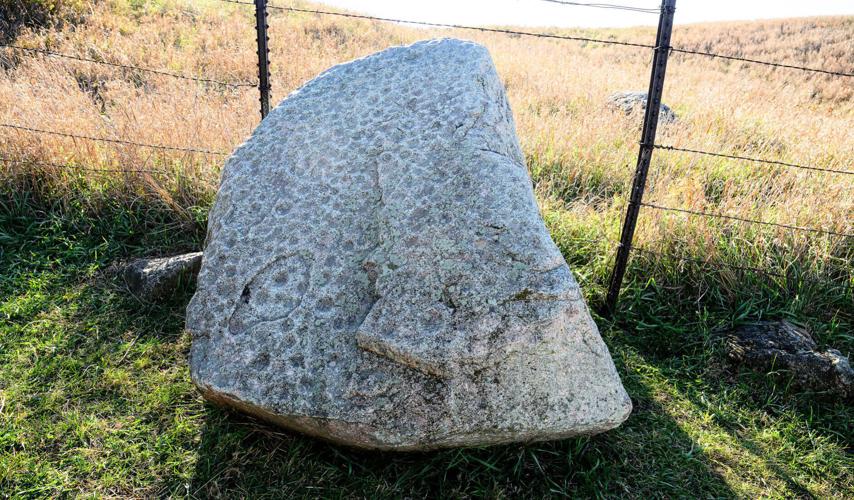
A pitted boulder is shown at the Blood Run National Historic Landmark located along the Big Sioux River west of Larchwood, Iowa. The Friends of Blood Run is hoping build a research center near the site which was a large indigenous village and trade center hundreds of years ago. It is believed the pits on the rock were made to mark significant events in the community.
Tim Hynds, Sioux City Journal
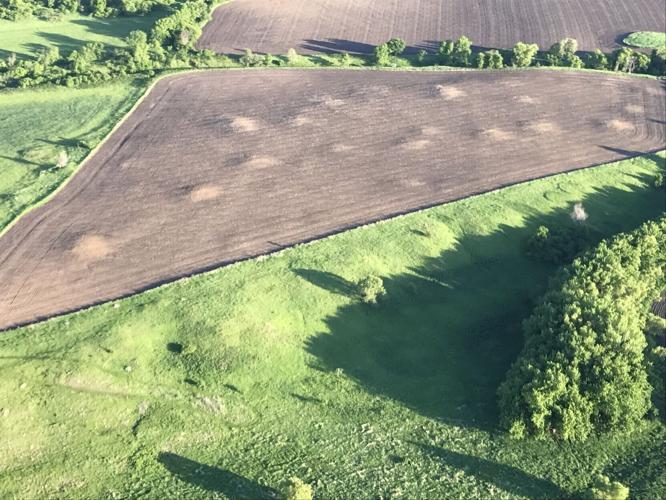
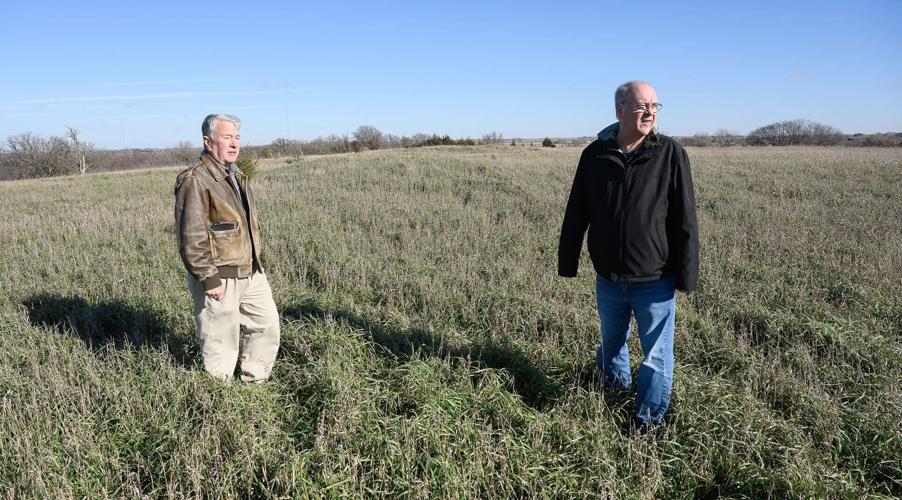
Jim Zangger, vice president of Friends of Blood Run, left, and Steve Simons, president, stand near a cluster of mounds at the Blood Run National Historic Landmark located along the Big Sioux River west of Larchwood. The landmarks are both burial mounds and cache mounds.
Tim Hynds, Sioux City Journal
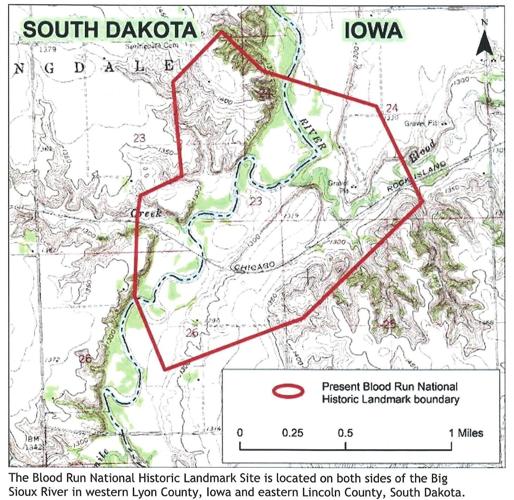
The above map shows the boundaries of the Blood Run National Historic Landmark, which includes land on both sides of the Big Sioux River in Iowa and South Dakota.
Steve Simons, president of Friends of Blood Run, left, and Jim Zangger, vice president, stand at a large pitted boulder overlooking what was once the agricultural fields at the Blood Run National Historic Landmark located along the Big Sioux River west of Larchwood. The group is hoping to build a research center near the site, which was a large indigenous village and trade center hundreds of years ago. It is believed the pits on the boulder were marks of significant events for the indigenous people who lived there.
Jim Zangger, vice president of Friends of Blood Run, opens a gate at the Blood Run National Historic Landmark located along the Big Sioux River west of Larchwood. The site is significant for its evidence of native Oneota culture that included ancestors of at least four Indian tribes.
Jim Zangger, vice president of Friends of Blood Run, left, and Steve Simons, president, stand near a cluster of mounds at the Blood Run National Historic Landmark located along the Big Sioux River west of Larchwood. The landmarks are both burial mounds and cache mounds.
Steve Simons, president of Friends of Blood Run, walks around a gate at the Blood Run National Historic Landmark located along the Big Sioux River west of Larchwood. An estimated 4,000 native people once lived at the site hundreds of years ago and were known for their pioneering agricultural advances.
A pitted boulder is shown at the Blood Run National Historic Landmark located along the Big Sioux River west of Larchwood, Iowa. The Friends of Blood Run is hoping build a research center near the site which was a large indigenous village and trade center hundreds of years ago. It is believed the pits on the rock were made to mark significant events in the community.
The above map shows the boundaries of the Blood Run National Historic Landmark, which includes land on both sides of the Big Sioux River in Iowa and South Dakota.