

What’s in Iowa’s $9.6 billion budget?
State using reserves to cover $1 billion shortfall
Iowa will operate under a $1.24 billion general fund budget shortfall in the state budget year that begins July 1.
It is the second consecutive year the state’s budget shortfall has been more than $1 billion as the state operates under a new, reduced revenue landscape created largely by a series of state income tax cuts.
Under a series of budget bills finalized during the closing days of the 2026 session of the Iowa Legislature last weekend, Iowa will spend $9.64 billion from its general fund and reserve accounts in the 2027 state fiscal year — despite having $8.4 billion in revenue for the year.
The budget was crafted by majority Republican state lawmakers over recent weeks through a series of bills, all of which await approval by Iowa Gov. Kim Reynolds.
The budget shortfall is largely the result of a series of state income tax reductions that started in 2019 and ended with the creation of a 3.9% state income tax for most Iowa workers. The tax cuts lowered the state taxes Iowans pay on their income — and thus reduced the amount of revenue coming into the state.
To cover the shortfall, statehouse Republicans planned to use unspent money in the general fund and a reserve fund they created to finance tax relief. They maintain state revenue will rebound and eventually surpass state spending before the reserve accounts are depleted.
Spending in the coming state budget year will leave the general fund balance with a projected $870 million cushion, according to the nonpartisan Legislative Services Agency. The spending will draw $618 million from the Taxpayer Relief Fund, leaving it with $2.57 billion.
That leaves $3.2 billion in the two revenue sources to cover any future budget shortfall — down from the combined $5.9 billion that was available during the 2025 fiscal year, according to LSA.
‘Serious trouble’

State Rep. Brian Meyer, D-Des Moines
“I think the budget as a whole is in serious trouble,” Iowa House Minority Leader Brian Meyer, a Democrat from Des Moines, told reporters during the session’s final day.
“And I know there was a reference today on the floor that this was the plan all along,” Meyer added. “Well, that’s kind of scary because the economy in Iowa — and the farm economy especially — is not getting any better. So we really have to do something to address this problem moving forward because those reserves will only last two to three more years.”
Statehouse Republicans have insisted their plan is financially sound and state revenue will catch up to spending before the reserve funds are exhausted.
“When we gaveled in this January, we made a promise to Iowans that we would deliver another fiscally sound budget, put the taxpayers first, and make Iowa communities safer,” Iowa House Speaker Pat Grassley, a Republican from New Hartford, said in a statement issued at session’s close. “Standing here today, I can say: mission accomplished.”
The planned state general fund spending for the coming budget year will be a 1.5% increase over the current budget year’s spending, according to documentation from the Legislative Services Agency.
Here is a look at what that $9.6 billion will go toward in fiscal 2027, broken down by state agencies and budget bills:
Standings: $4.95 billion
The standings bill is sort of “catch-all” budget that typically is the last budget bill approved each session.
The largest chunk of this year’s bill, as is annually the case, is the allocation of Supplemental State Aid — the general state funding for K-12 schools. This year’s standings bill, House File 2800, allocates $4.4 billion in state aid to schools. That’s up 2% from this fiscal year’s $4.2 billion.
Per-pupil funding increases from $7,988 this fiscal year to $8,148 in the coming fiscal year.
The standings bill also makes two noteworthy allocations from state sports betting tax revenue.
For the coming state budget year, the standings bill allocates $3 million in sports betting tax revenue to pediatric cancer research at the University of Iowa. The bill then delays until the following state budget year an annual $3 million allocation for pediatric cancer research from a new tax on vape and nicotine alternative products.
The bill also allocates $1 million from sports betting tax revenue to the state’s Double Up Food Bucks program that allows food assistance program users to receive a daily match of up to $15 spent on fruits and vegetables.
It also includes $100.5 million from the state’s information technology fund to the Iowa Department of Health and Human Services for information system and technology updates and upgrades for the agency in general as well as Medicaid and child support services.
Health and Human Services: $2.56 billion
House File 2782 provides $2.56 billion from the general fund to the Department of Health and Human Services and Department of Veterans Affairs, an increase of about $3.1 million from the current fiscal year.
The budget also appropriates more than $10.5 billion in total funding, including federal matching dollars, for Medicaid, child care, child welfare, public health, aging and veterans services.
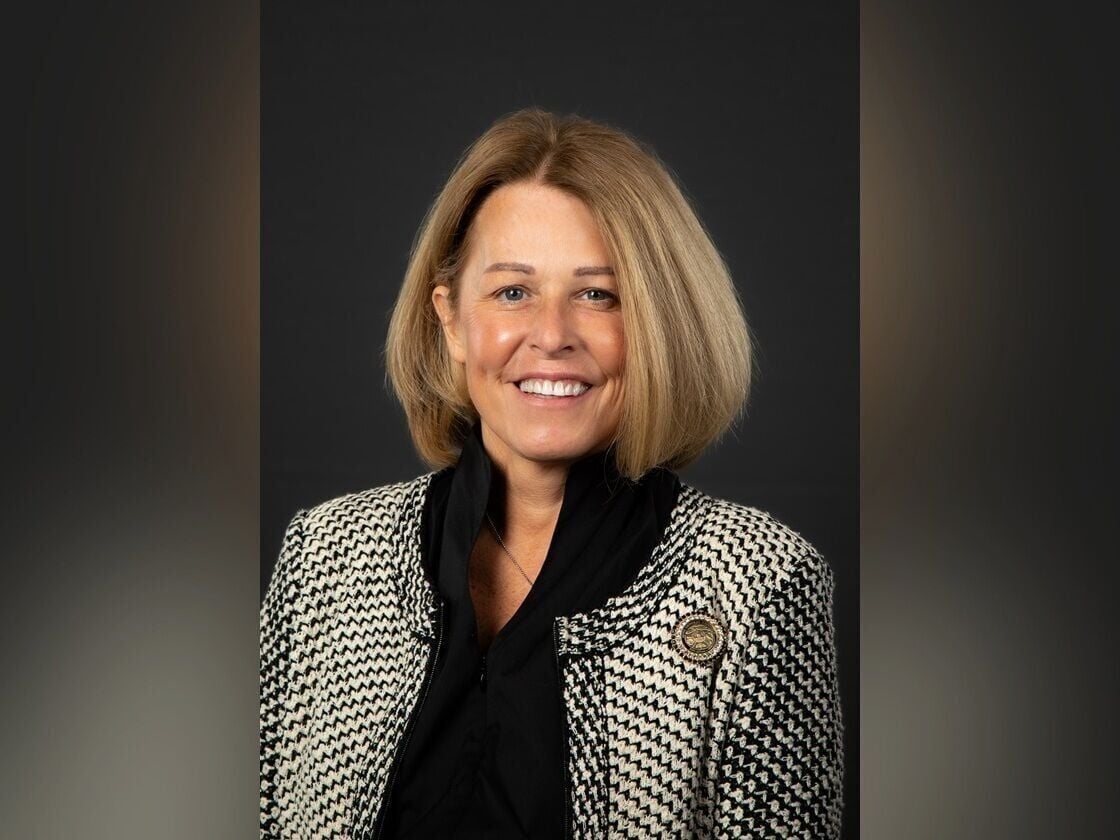
Rep. Ann Meyer, R-Fort Dodge
Republican Rep. Ann Meyer, the bill’s floor manager, said the budget fully funds Iowa Medicaid and includes a 3% increase intended to avoid or reduce the need for a supplemental appropriation next year.
“We are dedicated to fully funding Medicaid and always provide that commitment to vulnerable Iowans,” Meyer said during House debate.
The measure includes Medicaid provider reimbursement increases, including for home- and community-based elderly waiver services; $1.2 million for ambulatory surgical centers; and additional funding for special population nursing facilities serving Iowans with complex medical needs.
It also includes $1.5 million in new funding for the More Options for Maternal Supports, or MOMS, program, part of a broader push by Gov. Kim Reynolds and Republican lawmakers to expand alternatives to abortion.
The MOMS program provides grants to nonprofits and crisis pregnancy centers that offer counseling, free ultrasounds, parenting classes and supplies such as diapers, clothing and cribs intended to encourage women to carry pregnancies to term.
The budget also transfers $10 million in unused rural health care funds for grants supporting new medical residency programs not affiliated with University of Iowa Health Care and not focused on family medicine — part of a broader effort by lawmakers to increase physician recruitment and specialty care access in rural and underserved communities.
Democrats unsuccessfully sought additional funding for rural maternal health services to help reopen labor and delivery units that have closed in recent years. Meyer responded that expanding physician training and residency positions, rather than creating a building fund, would better improve access to that care.
Meyer said the final agreement balances Medicaid obligations, provider investments and behavioral health priorities while maintaining other core services.
Education: $1 billion
House File 2783 provides $1.04 billion from the general fund to the Department of Education, Board of Regents and Department for the Blind, an increase of roughly $10.5 million from the current fiscal year.
Funding for K-12 education, expected to total roughly $4.4 billion, is handled through separate legislation.
The budget includes $3.5 million in new funding for Iowa’s community colleges for career training infrastructure projects tied to separate workforce legislation and new funding for dyslexia specialist training and school cybersecurity protections.
It provides no general aid increase for Iowa’s three public universities, which will see flat state funding for a second straight year.

Rep. Elinor Levin, D-Iowa City
House Democrats criticized the budget as underfunding higher education. Rep. Elinor Levin, a Democrat from Iowa City, said the proposal reflected “the bare minimum” rather than the state pride in education that once drew people to Iowa.
Rep. Heather Matson, a Democrat from Ankeny, said the budget “misses the mark” by failing to expand funding for therapeutic classrooms, high-needs schools, mental health and special education supports. Matson argued lawmakers could have funded additional education priorities by reinstating income limits on Iowa’s private school voucher program.
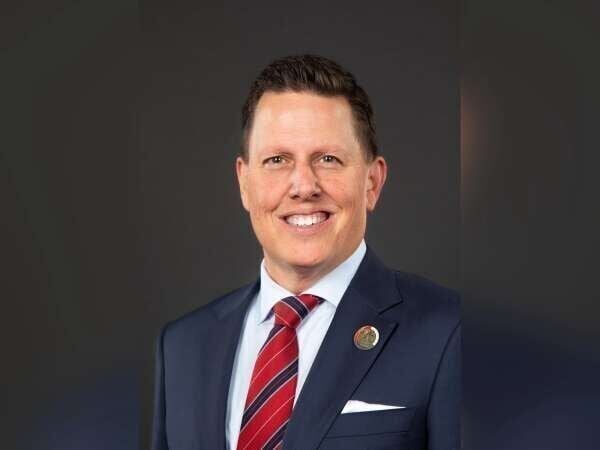
Rep. Dan Gehlbach, R-Urbandale
Rep. Dan Gehlbach, a Republican from Urbandale and the bill’s floor manager, defended the budget, saying Republicans focused on workforce alignment, efficiency and consolidating low-enrollment programs within the regents university system.
Amendments offered by Democrats were rejected by majority Republicans, including proposals related to student mental health services at regent universities, special education funding and increased transparency and income caps for Iowa’s private school voucher program.
Justice systems: $938 million
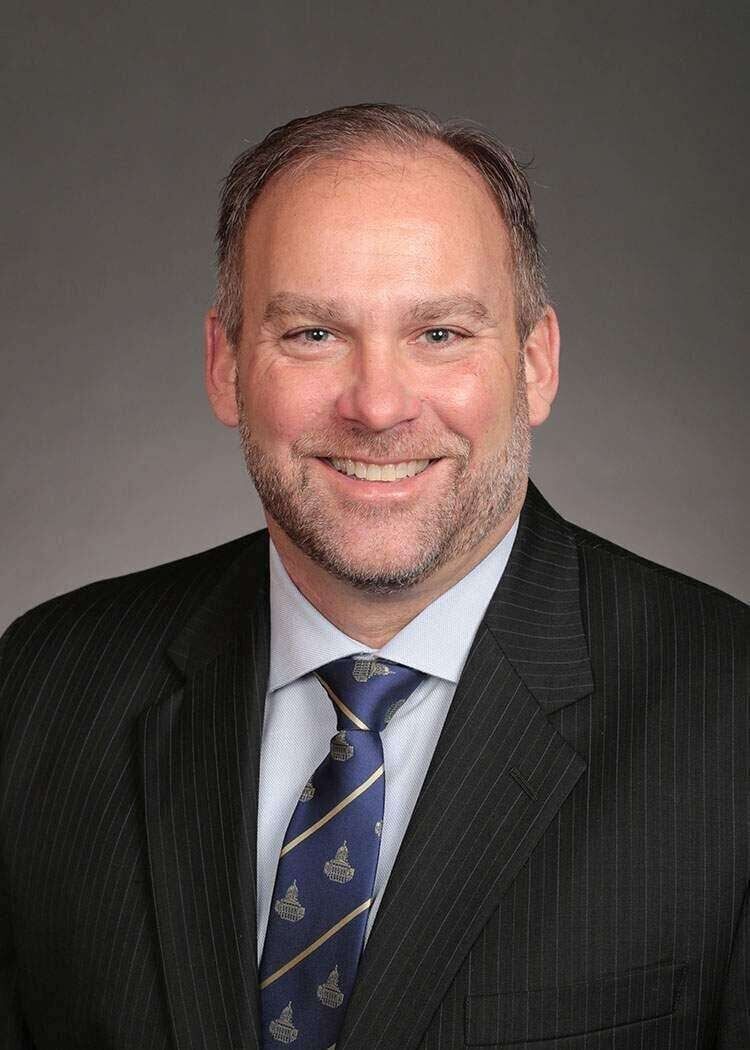
Rep. Brian Lohse, R-Bondurant
The justice system’s budget bill allocated $715.7 million, and the judicial branch bill — for Iowa’s courts — allocated $222.3 million.
Iowa Rep. Brian Lohse, a Republican from Bondurant, described with pride a new attorney loan repayment program that was included in the justice system budget bill, House File 2770.
The program will provide up to $60,000 in the form of six annual payments to 25 new lawyers per year — up to 150 total — to assist with repaying their school loans. Eligibility requirements include being licensed in Iowa, with priority given to lawyers who work in rural areas of the state and provide indigent defense.
The judicial branch bill, House File 2769 includes $500,000 for the establishment and operation of a specialty business court and salaries for business court judges.
Ag and natural resources: $47.5 million
House File 2771 provides $47.5 million from the general fund to state agriculture and natural resources departments, a roughly $900,000 increase from the current fiscal year. The budget also includes $119.2 million from other funds.

Sen. Art Staed, D-Cedar Rapids
The budget includes increased funding for the state’s Choose Iowa program; foreign animal disease prevention efforts amid ongoing concerns over avian influenza outbreaks; water quality monitoring and groundwater protection; along with support for state park maintenance and water infrastructure projects.
Choose Iowa is the state’s signature branding and marketing initiative administered by the Iowa Department of Agriculture and Land Stewardship to promote purchasing Iowa-made food products. The program connects consumers with local producers and supports farmers through grants.
Democratic Sen. Art Staed, of Cedar Rapids, said the agreement makes “incremental progress in areas that are critical to Iowa’s future,” including support for water quality monitoring, groundwater assessment work and conservation programs.
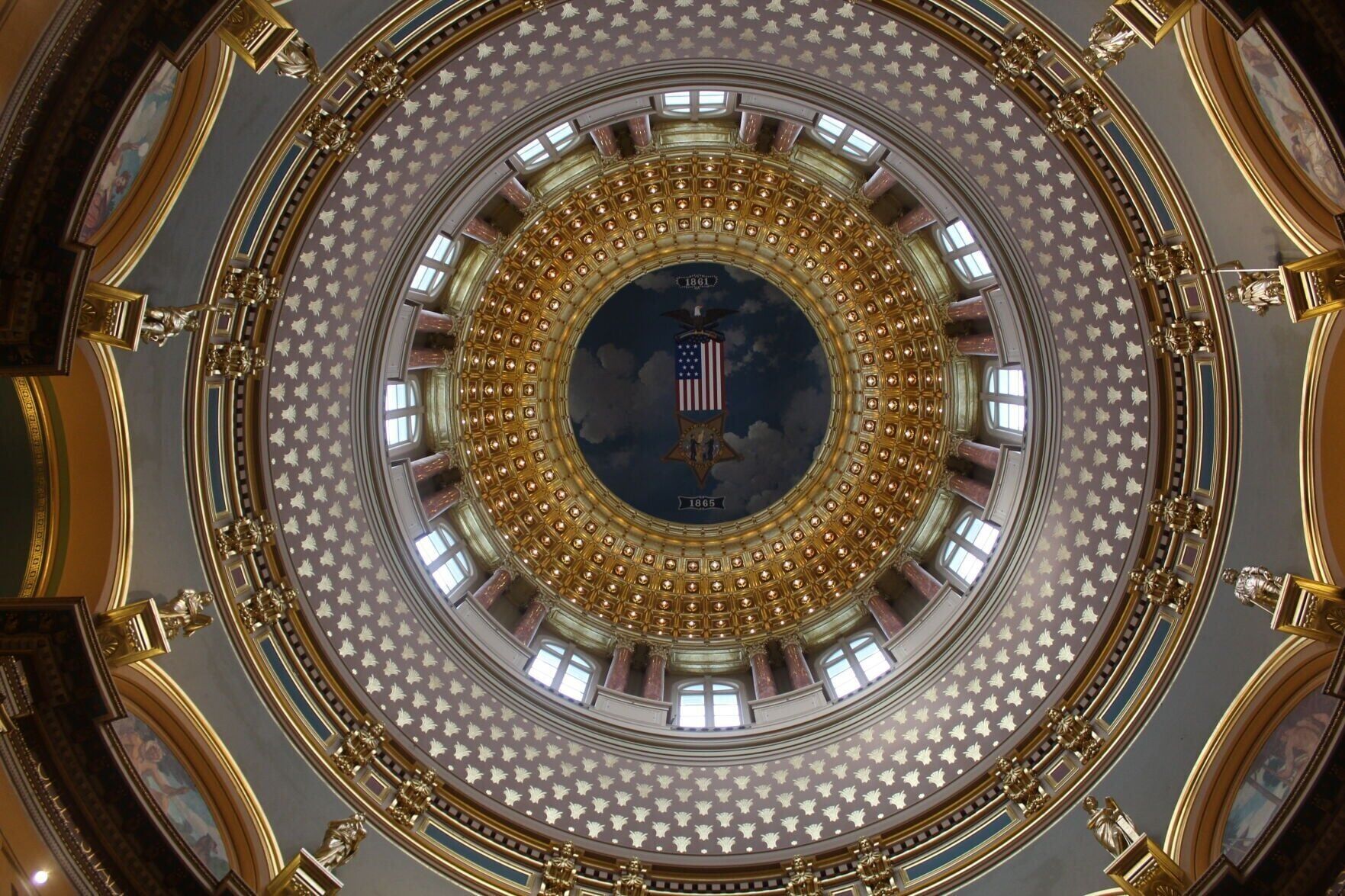
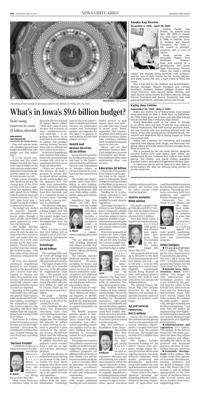
The ceiling of the rotunda of the Iowa Capitol in Des Moines on Friday, Dec. 15, 2023.
Other budgets
Transportation, $475.3 million: This budget for Iowa Department of Transportation operations — this year’s bill is Senate File 2478 — is funded not through general fund dollars, but the state’s Road Use Tax Fund.
Rebuild Iowa Infrastructure Fund, $196.3 million: This budget for state infrastructure and technology projects also is not funded by the general fund but rather by the Rebuild Iowa Infrastructure Fund and the Technology Reinvestment Fund. This year’s version, Senate File 2484, includes $9.2 million for water quality — specifically, nitrogen modeling and fertilizer management — and more than $15 million for implementing a new eligibility determination system and new federal Medicaid work requirements and eligibility determination.
Administration and regulation, $73.3 million: This budget, in the form of House File 2768, funds operations for more than a dozen state agencies and offices, including the offices of the governor and lieutenant governor, secretary of state, auditor, treasurer, and more.
Economic development, $38.9 million: This budget funds state agencies on economic development, housing, workforce, and the Board of Regents. This year’s bill, House File 2772, includes a new $1 million appropriation to the University of Northern Iowa to offer in-state tuition and fees to students from Iowa’s neighboring states.