
How did Zach Lahn win Iowa’s Republican gubernatorial primary?
The Republican Party of Iowa, and the national party, has three factions — or perhaps three different tectonic plates — as Iowa consultant and political veteran Jimmy Centers describes it.
Among Republicans, Centers said, those three groupings are business-minded fiscal conservatives, Christian conservatives and evangelicals, and Donald Trump supporters.
In Republicans’ gubernatorial primary election Tuesday, Centers said, those three plates shifted and Zach Lahn emerged as the victor.
“We had an earthquake in Iowa (Tuesday) night,” Centers said.
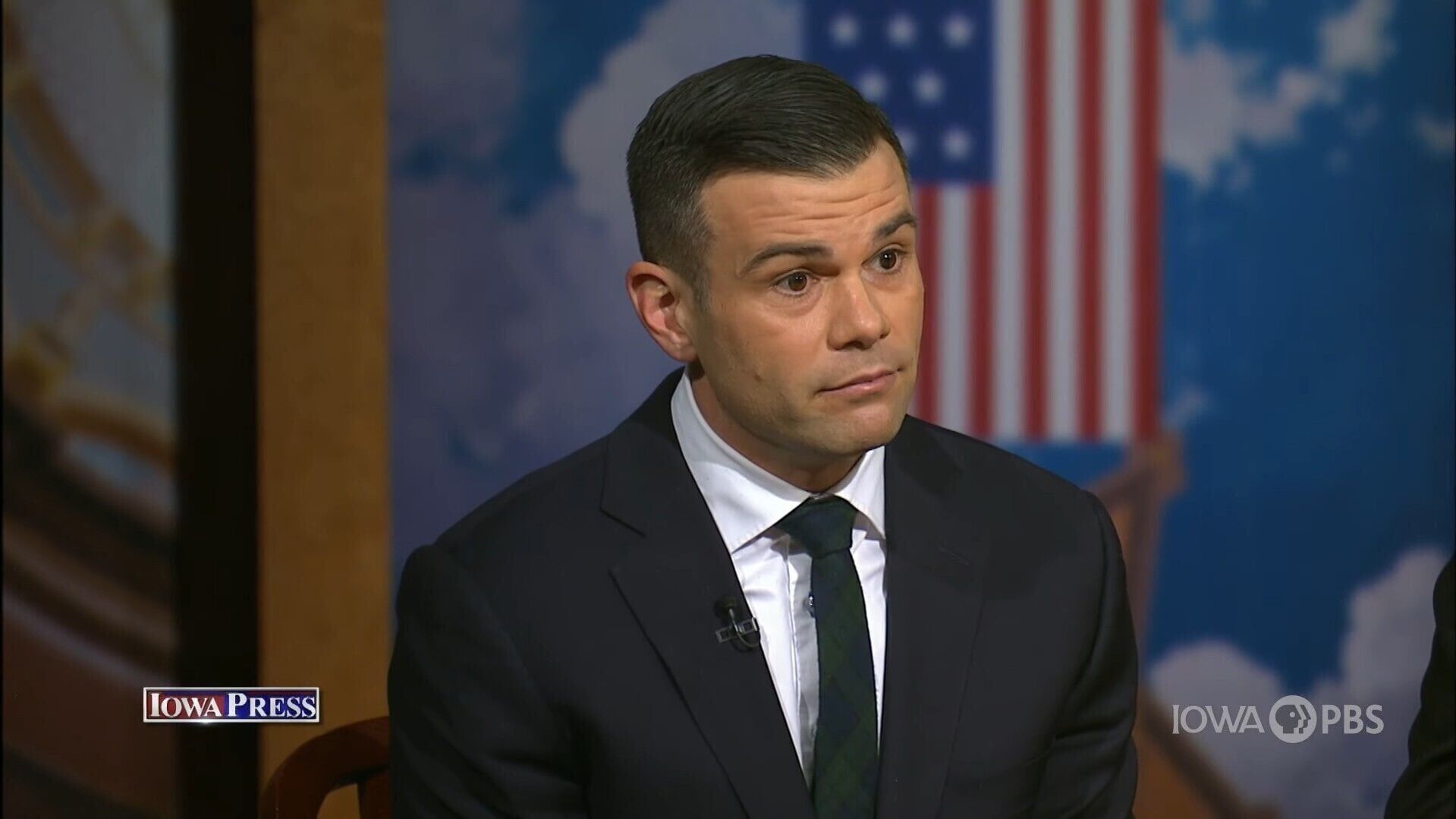
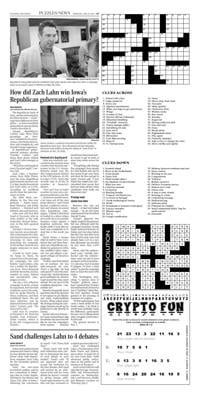
Jimmy Centers, a political consultant and former staffer for Republican Iowa Govs. Terry Branstad and Kim Reynolds, discusses Iowa politics during the taping of “Iowa Press” in Johnston on Dec. 19, 2025.
Zach Lahn, a business owner from Belle Plaine, won the Iowa Republican gubernatorial election over U.S. Rep. Randy Feenstra by just 1,625 votes, or 0.77%, according to unofficial results from the Iowa Secretary of State.
The other three candidates in the five-way primary — Adam Steen, Brad Sherman and Eddie Andrews — finished well behind Lahn and Feenstra.
Lahn now will face Rob Sand of Decorah, who as state auditor is the only statewide elected Democrat, in this fall’s general election.
Tuesday’s victory, however narrow, was a remarkable achievement for Lahn, who lived in Kansas before returning to Iowa and launching his campaign in November when he was largely unknown to Iowa voters.
“Credit to Zach Lahn. He hung in there, he stayed true to his message, his campaign, his core beliefs,” said Centers, who was a staffer for Republican Govs. Terry Branstad and Kim Reynolds and has worked on state, federal and presidential campaigns in Iowa.
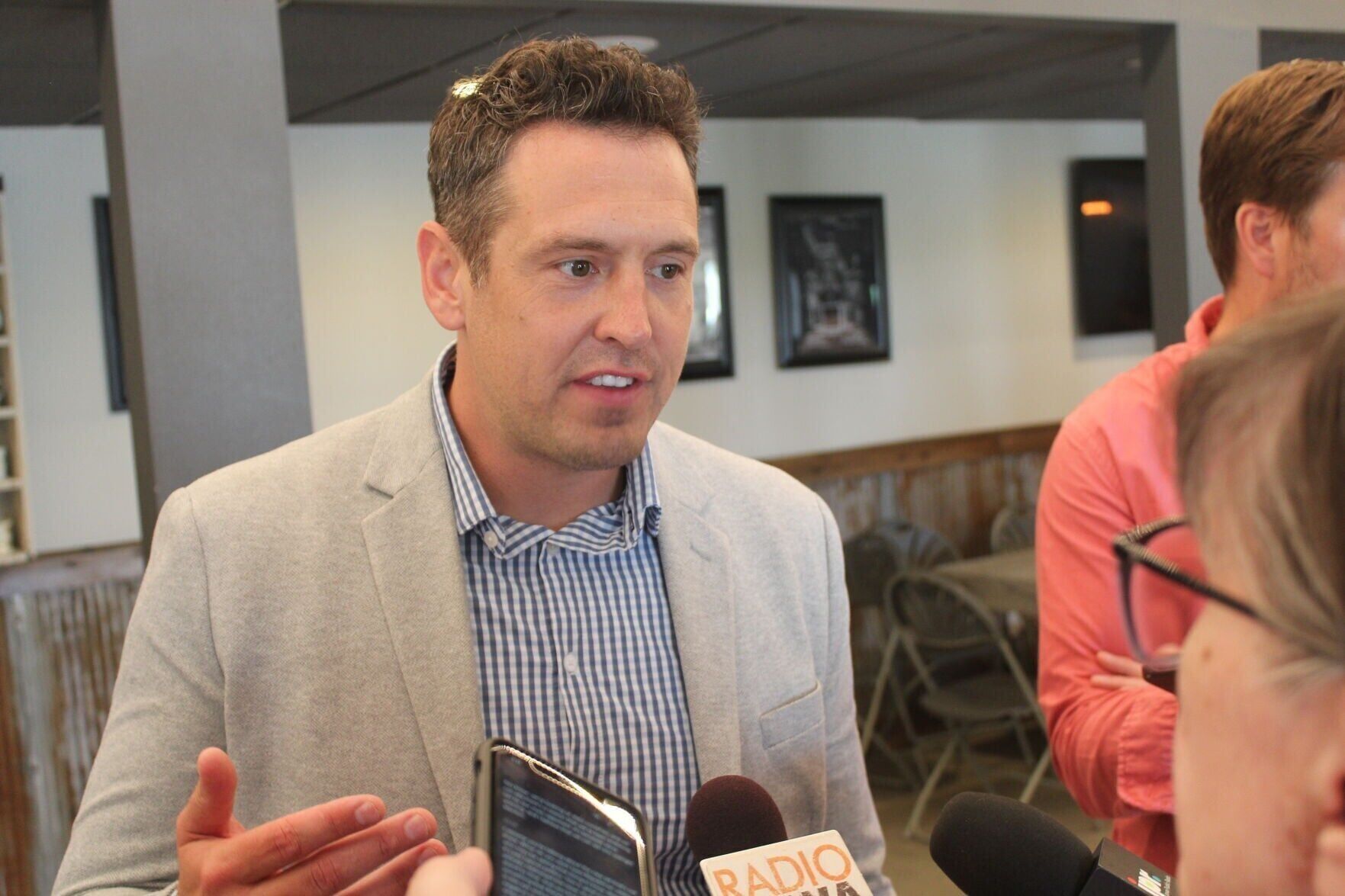
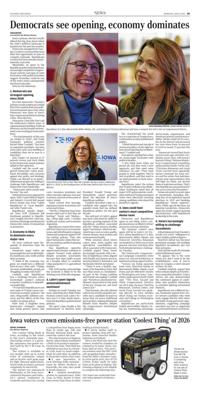
Republican Iowa gubernatorial candidate Zach Lahn speaks with reporters after a campaign event at an events space in Newton on May 28, 2026.
“He ran a very effective campaign in terms of how he organized, how he built coalitions across the state, how he spoke directly to those coalitions, and then mobilized them. His ads were effective, and he deployed them at the right time,” Centers said. “He deserved to win.”
Lahn won 52 counties to Feenstra’s 44. Feenstrq handily won Pottawattamie County, which is in his 4th Congressional District.
Feenstra’s backyard
Lahn was relatively successful in the western Iowa counties that Feenstra represents in the U.S. House. Feenstra barely won the 4th Congressional District in the GOP primary, 41.4% to Lahn’s 37.7%. And Lahn actually won 21 of the 36 counties in Feenstra’s district.
“You can’t lose as many counties in your own congressional district as he did. … (Feenstra) needed more, a lot more out of his own home district,” said David Kochel, a political consultant and veteran of several Iowa Republican campaigns. “I think (Lahn) kind of landed in a place where you could run as an outsider business owner against a longtime politician who maybe didn’t seem like his heart was completely in it. And this is the result you get.”
David Oman, a former chief of staff to then-Govs. Robert Ray and Terry Branstad and a Republican candidate for governor in 1998, also credited Lahn’s meteoric rise and offered a frequent critique of Feenstra’s campaign.
“(Lahn) came from almost out of nowhere. He was well-resourced, for sure. That’s a big help. He had some good TV ads at the end,” Oman said. “And he did what good candidates do, which is to get around the state, move around. We saw most of the candidates doing that — one, notably not.”
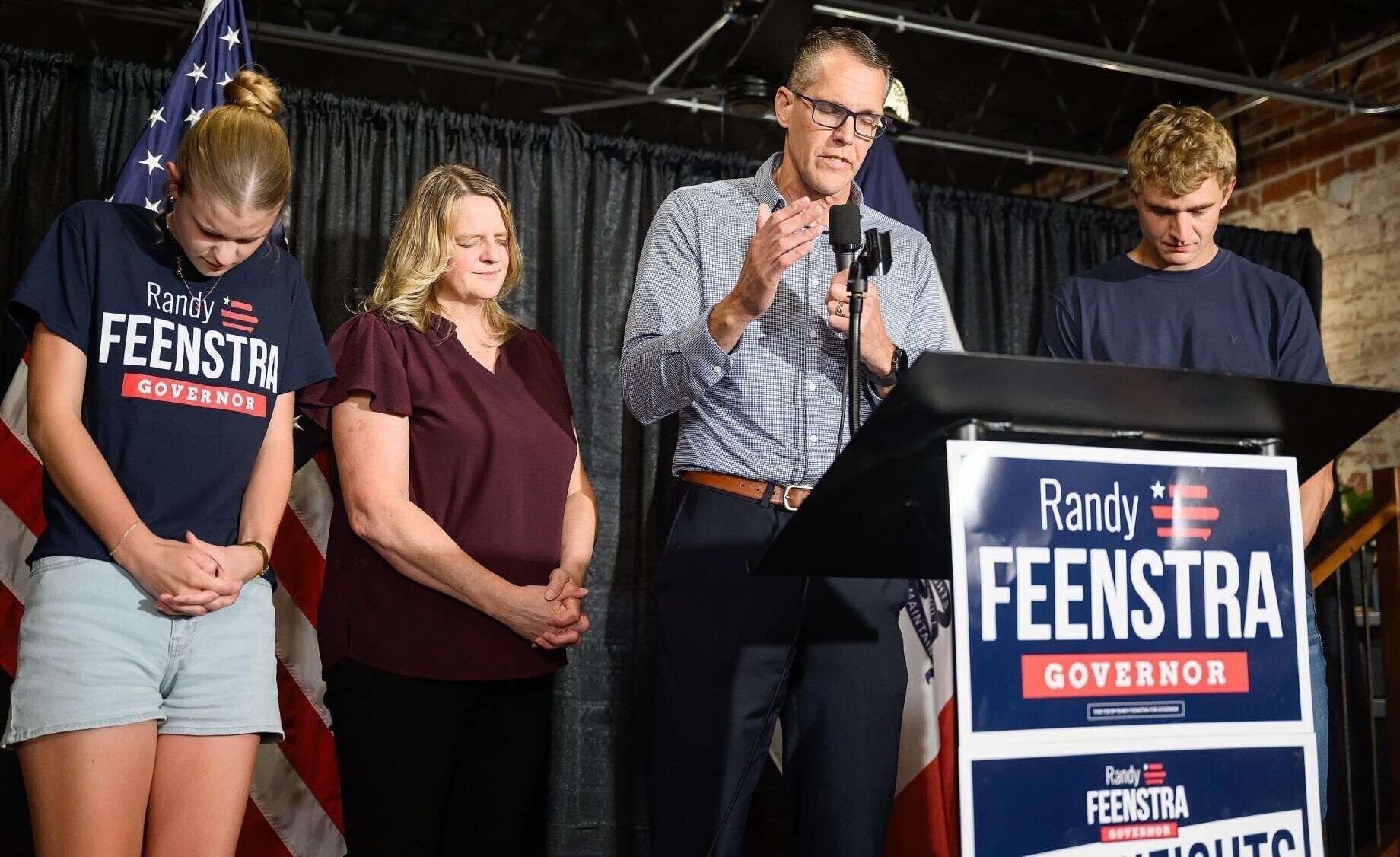
Republican Iowa gubernatorial candidate Randy Feenstra leads a prayer with members of his family, from left, daughter Savannah, wife Lynette, and son Dawson, during his primary watch party at The Grain House in Hull on Tuesday. Feenstra, currently Iowa’s 4th District U.S. representative, conceded the Republican primary to Zach Lahn.
Feenstra frequently faced questions about his decision to not appear in any debates and many multicandidate forums. When asked about the strategy during his campaign, Feenstra would say he preferred to talk directly to Iowans.
Kochel said even if Feenstra’s team wanted him to skip the debates because they felt like he was the campaign’s front-runner, Feenstra should have done more public events to get in front of more Iowa voters across the state.
“I’m getting calls (during the campaign) from people in Cedar Rapids who say he just needs to get over there and show his face and get to work,” Kochel said. “I just think they might have miscalculated how secure that lead was when all four other candidates were really out there every day.”
Trump nod came too late
Feenstra also was not helped — at least not helped enough — by an 11th-hour endorsement from President Donald Trump.
Trump’s approval was highly sought in the primary, but was withheld until the campaign’s final days. Trump finally endorsed Feenstra on Friday, just four days before Election Day and after more than 15,000 early votes had already been cast in a race that ultimately was decided by just more than 1,600 votes.
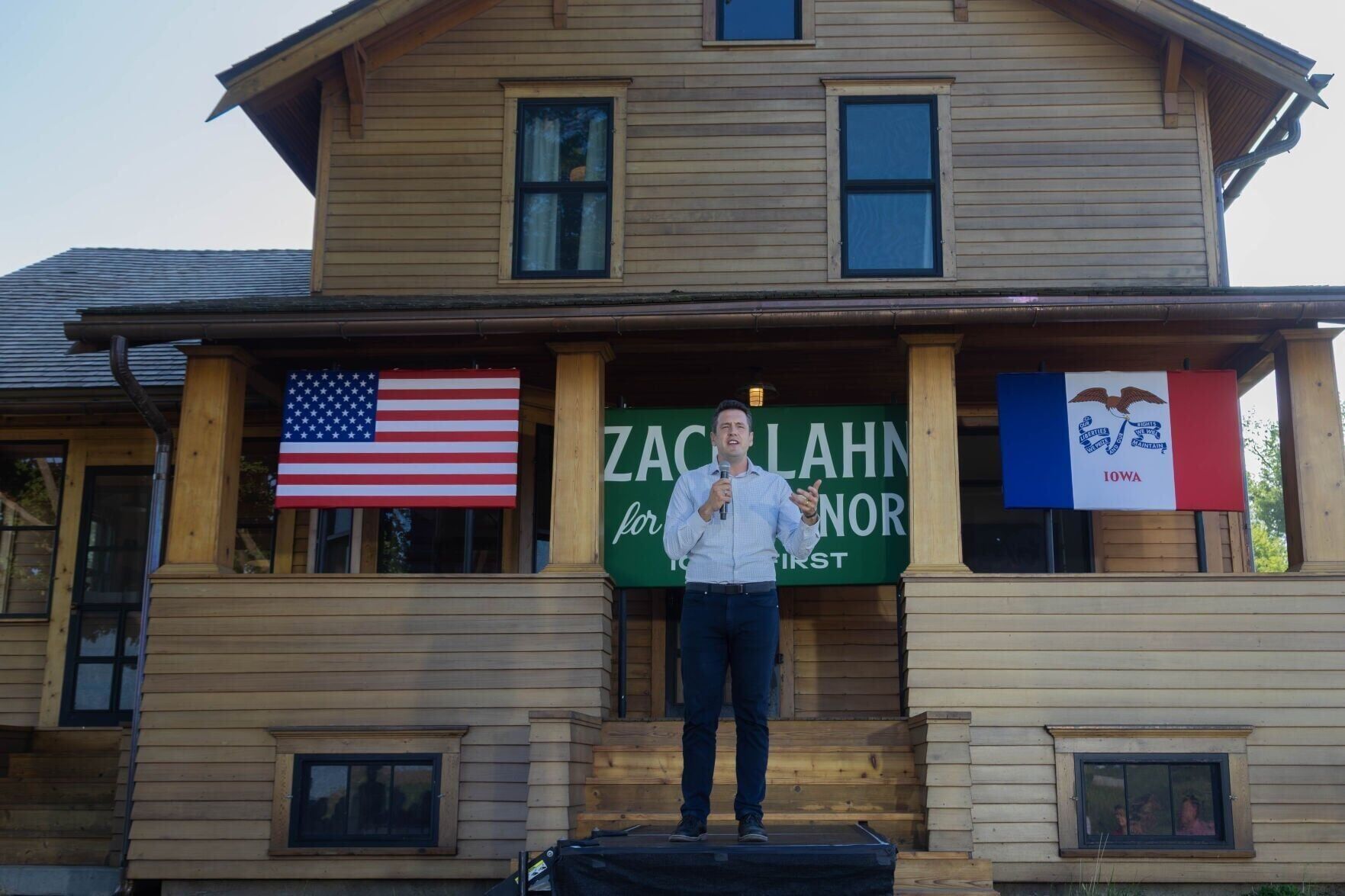
Zach Lahn speaks to supporters at his farm north of Belle Plaine on June 1, 2026, his last public event before Tuesday’s primary election.
Oman said the endorsement came “awfully late.” Kochel said the endorsement came too late to have an impact on the Iowa primary’s outcome, that it needed to happen “at least a week earlier” to give the campaign time to share the news with voters.
The Washington Post, citing “a person close to Trump’s political operation,” reported that Trump’s late endorsement of Feenstra was a “Hail Mary” effort that, the Post reported, Trump granted at the pressing of members of Congress.
“If that endorsement had come a week earlier or two weeks earlier, I do think it would have probably made the difference, particularly because we’re talking about what, (roughly 1,600) votes,” Kochel said.
The general election is Nov. 3.