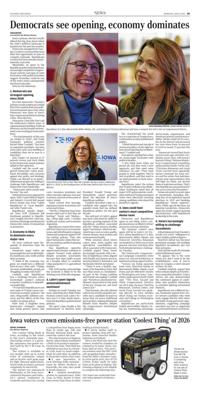

Democrats see opening, economy dominates and Lahn reshapes governor’s race
Iowa's primary election results offered five big clues about where the state's political landscape is headed over the next five months.
Democrats emerged from Tuesday's contests convinced they have their best opportunity in years to compete statewide. Republicans counter that Iowa remains fundamentally a red state.
Meanwhile, an upset in the Republican gubernatorial primary, increasingly competitive congressional contests and signs of voter frustration with political insiders suggest November could be one of the state's most consequential elections in decades.
Here are the takeaways.
1. Democrats see strongest opening since 2018
For Iowa Democrats, Tuesday's primary results reinforced a belief that 2026 could be their best political environment since 2018, when Democrats won three of Iowa's four congressional districts during a blue-wave election.
State party Chair Rita Hart said the enthusiasm reflects years of organizational rebuilding. Political observers say the broader environment is also working in Democrats' favor.
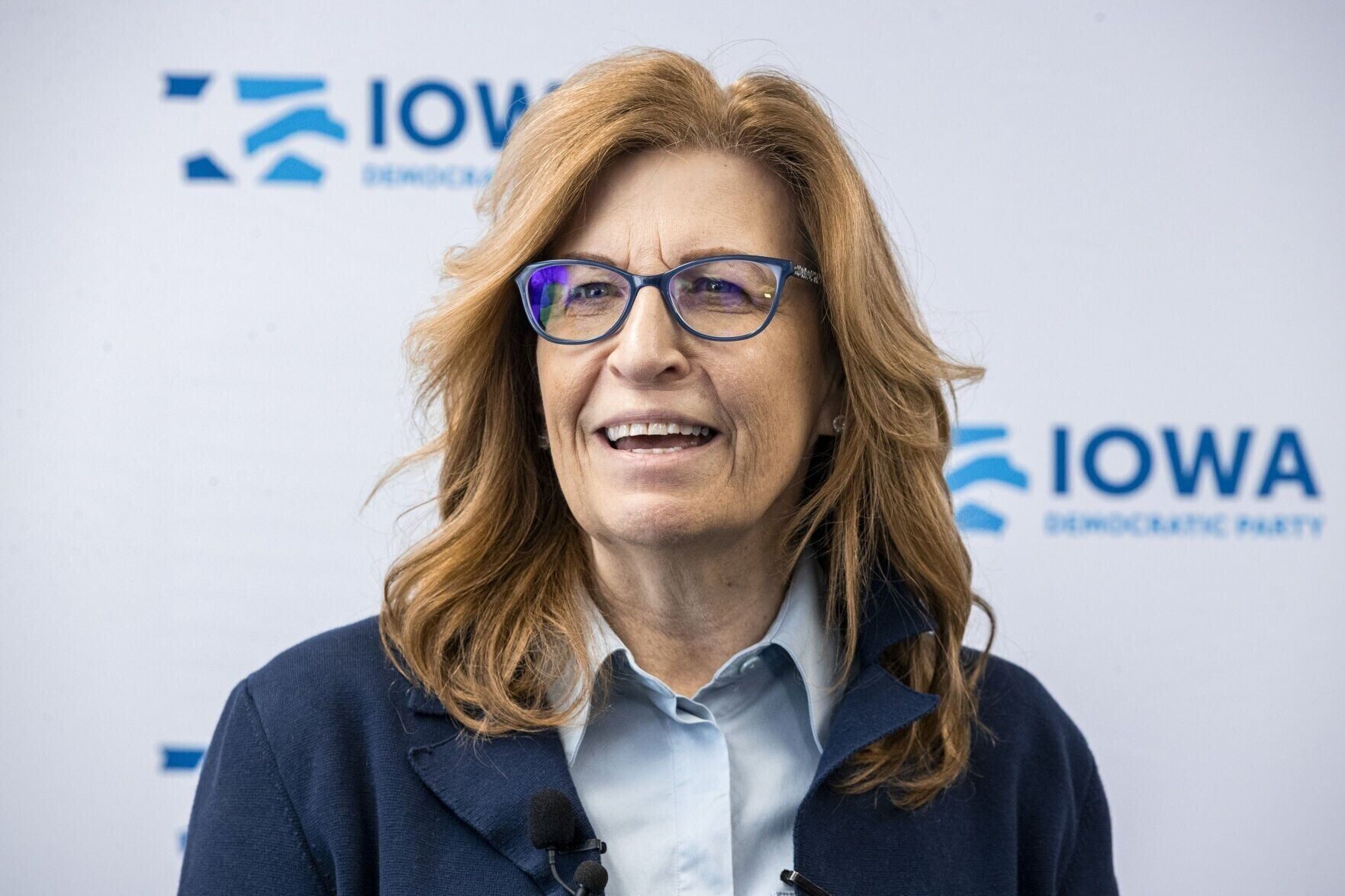
Iowa Democratic Party chair Rita Hart speaks during a press conference March 5, 2024, at the headquarters of the Iowa Democratic Party in Des Moines.
“The fundamentals of this race are similar to 2018,” said Drake University political scientist Rachel Paine Caufield. “You have an unpopular president. You have more open seats and shuffling of candidates than we've seen in a long time.”
Josh Turek's 63 percent to 37 percent victory over Zach Wahls in the Democratic Senate primary added to that optimism.
Caufield said the result suggested Democratic voters prioritized electability and crossover appeal over policy and ideology. Wahls cast himself as an antiestablishment progressive willing to challenge both Republicans and Democratic Party leadership.
“Democratic voters clearly want the win,” she said.
National forecasters appeared to agree. Both Cook Political Report and Sabato's Crystal Ball moved Iowa's Senate race from “Likely Republican” to “Lean Republican”after Turek's win.
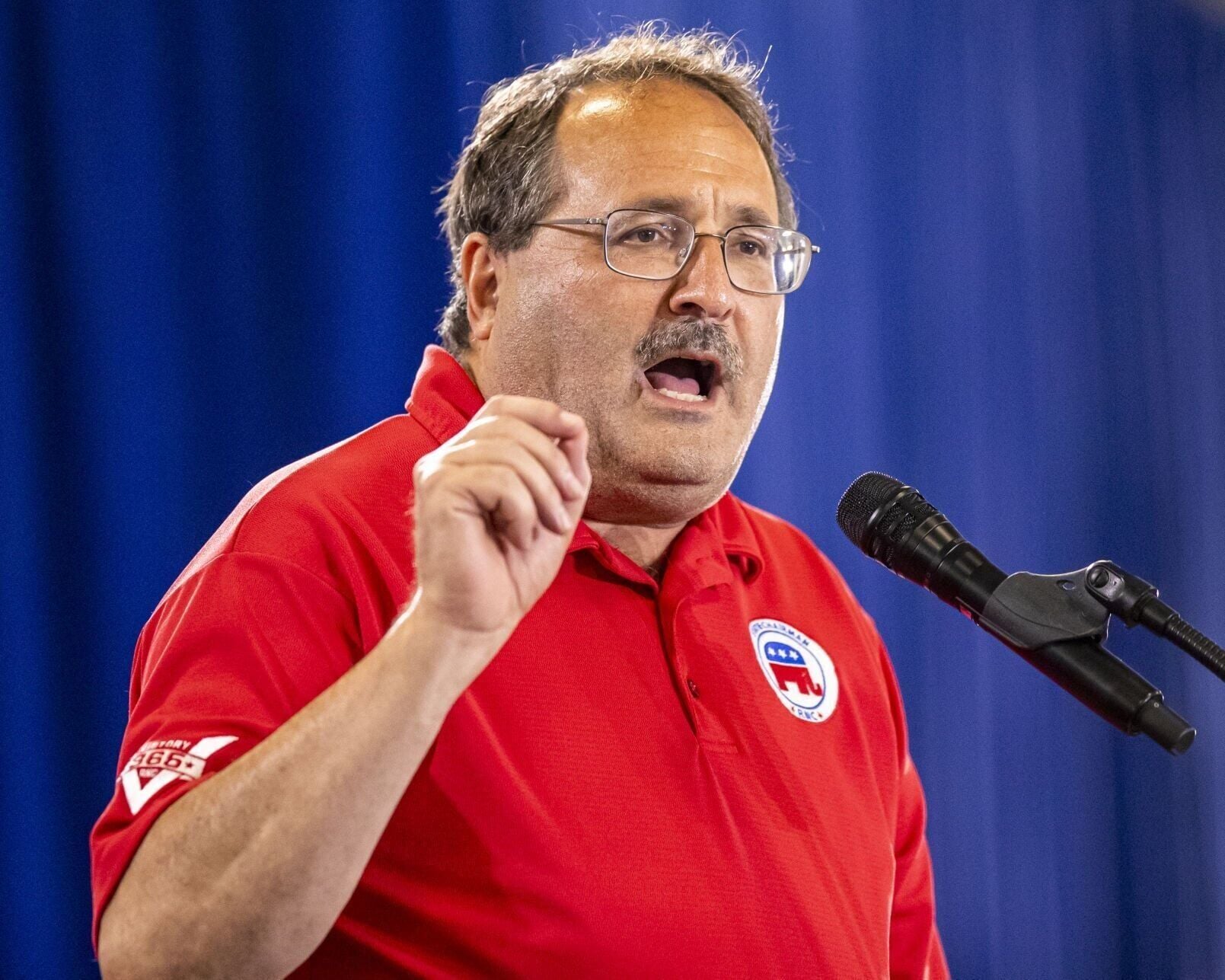
Iowa GOP Chairman Jeff Kaufmann speaks during the annual Ashley’s BBQ Bash fundraiser for Rep. Ashley Hinson, R-Iowa, in Cedar Rapids on Aug. 23, 2025.
Republicans remain skeptical. Iowa GOP Chairman Jeff Kaufmann pointed to Republicans' roughly 200,000-voter registration advantage and dismissed Democratic claims of momentum as premature.
2. Economy is likely to dominate every major race
No issue surfaced more frequently in interviews than the economy.
Democrats argue voters are increasingly focused on affordability, healthcare costs, tariffs and the farm economy.
“I think if the economy was great, we would have a different kind of race,” Hart said. “Things are more unaffordable, people are struggling to make ends meet.”
Caufield said Republicans face a challenge because voters increasingly connect national economic conditions to Republican leadership.
“It's hard for Republicans to not own some of Trump's more controversial economic policies,” she said, citing tariffs, inflation concerns and the effects of the Iran conflict on energy prices.
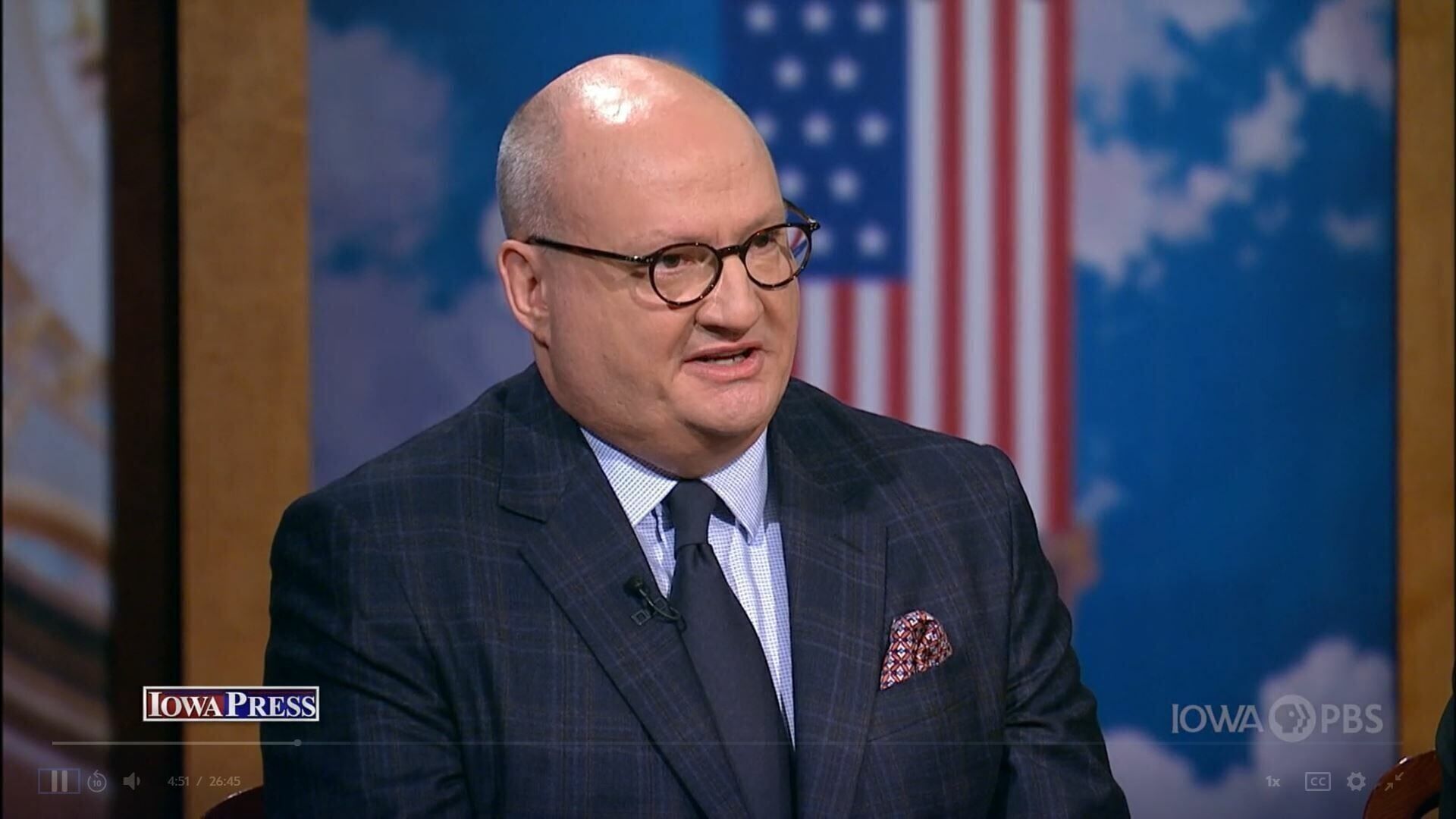
Matt Paul, an Iowa Democratic consultant and campaign veteran, discusses politics on "Iowa Press" at Iowa PBS studios in Johnston on Nov. 8, 2024.
Matt Paul, a longtime Iowa Democratic strategist, argued that rising grocery prices, fuel costs, insurance premiums and other everyday expenses have put economic concerns at the center of voters' minds.
Turek echoed that message, arguing economic frustration cuts across party lines.
“The No. 1 thing that I hear from Iowans right now is that they are hurting,” Turek said Wednesday, citing high costs, a broken healthcare system and economic stagnation.
Republicans counter that voters still trust them more on economic issues and will ultimately compare Democratic proposals against GOP tax-cutting policies. They also reject Democratic claims that tariffs are creating a political opening in rural Iowa.
One Republican operative argued many farmers continue to support Trump's trade policies despite economic uncertainty because they view tariffs as part of a broader effort to confront China and protect U.S. agricultural markets.
Still, both parties acknowledge the economy is likely to be the defining issue of the fall campaign.
3. Lahn’s upset signals antiestablishment sentiment
Perhaps no result Tuesday was more surprising than Belle Plaine business owner Zach Lahn’s victory over U.S. Rep. Randy Feenstra in the Republican gubernatorial primary.
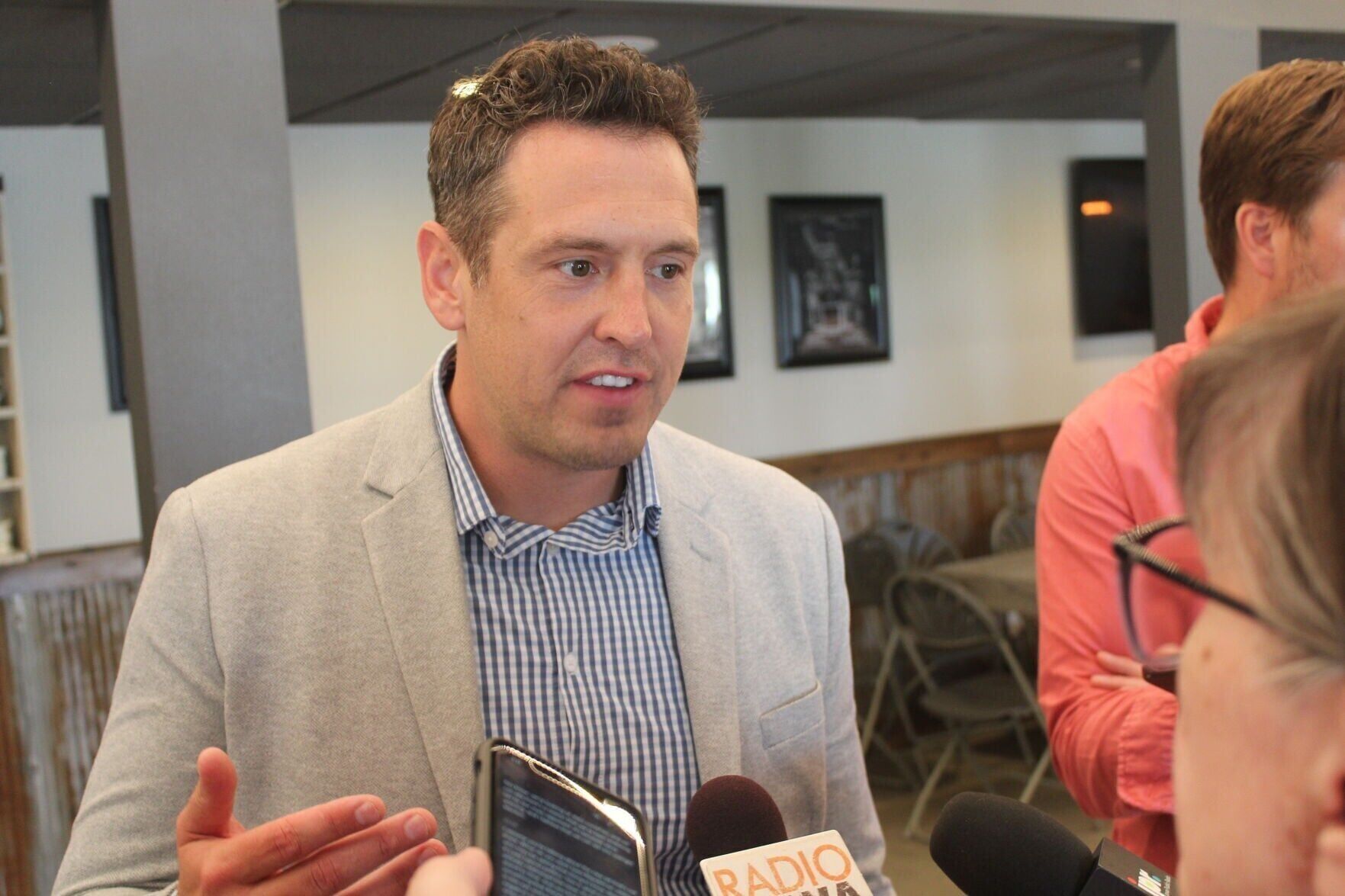
Republican Iowa gubernatorial candidate Zach Lahn speaks with reporters after a campaign event at an events space in Newton on May 28, 2026.
The upset came despite a late endorsement of Feenstra from President Donald Trump and immediately raised questions about the direction of Iowa's Republican coalition.
Caufield described Lahn as a candidate who tapped into the populist strain that has defined Republican politics for the past decade.
She said part of Lahn's appeal may have come from his ability to tap into a growing segment of the Republican coalition associated with the “Make America Healthy Again” movement, which has elevated issues such as water quality, chronic disease, food systems and environmental health.
While concerns about Iowa’s cancer rates, water quality and agricultural consolidation are often associated with Democrats, Caufield argued those issues increasingly resonate with a faction of Republican voters aligned with Health and Human Services Secretary Robert F. Kennedy Jr. and the broader MAHA movement.
“There is now a healthy segment of the Republican Party that sees these issues as a fundamental part of the Trump coalition and Trump’s messaging,” Caufield said. “Feenstra is a much more traditional conservative in the mold of the pre-Trump era, and Zach Lahn is not.”
That dynamic, she said, allowed Lahn to run as both a populist outsider and a candidate focused on issues that cut across traditional partisan lines, helping distinguish himself from Feenstra despite the congressman's institutional advantages.
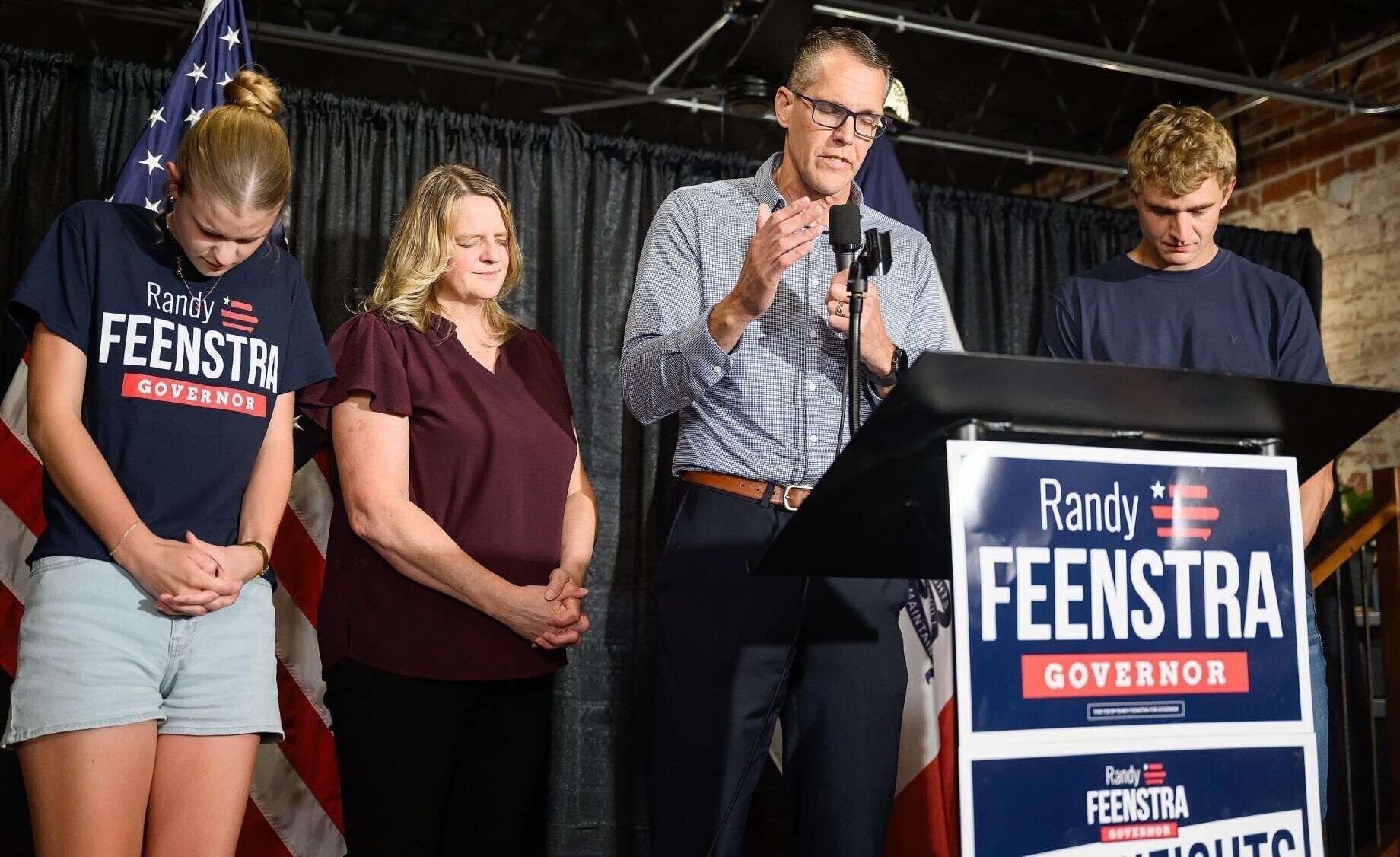
Republican Iowa gubernatorial candidate Randy Feenstra leads a prayer with members of his family, from left, daughter Savannah, wife Lynette, and son Dawson, during his primary watch party at The Grain House in Hull on Tuesday. Feenstra, currently Iowa’s 4th District U.S. representative, conceded the Republican primary to Zach Lahn.
She characterized the result less as a rejection of Trump than a continuation of antiestablishment politics.
“I think the entire past decade of American politics on the right has been about rejecting the establishment,” Caufield said.
Paul agreed, arguing that voters are increasingly frustrated with political insiders.
“I just think Iowa voters are pissed off, and they want a new approach, and they want some solutions,” he said. “They want people to work together, they’re sick of gridlock, and they want to see improvements in their everyday lives.”
Republicans reject the notion that Trump’s influence has diminished. Kaufmann noted that all major GOP gubernatorial candidates embraced Trump and argued voters were effectively choosing among candidates who shared the president’s agenda.
4. Iowa could host nation's most competitive House races
Democrats and Republicans agree on one thing: Iowa's congressional races are likely to attract enormous national attention.
The marquee contest once again will be in Iowa's 1st District, where Republican U.S. Rep. Mariannette Miller-Meeks and Democrat Christina Bohannan are headed for a third consecutive general-election matchup after both defeated primary challengers Tuesday.
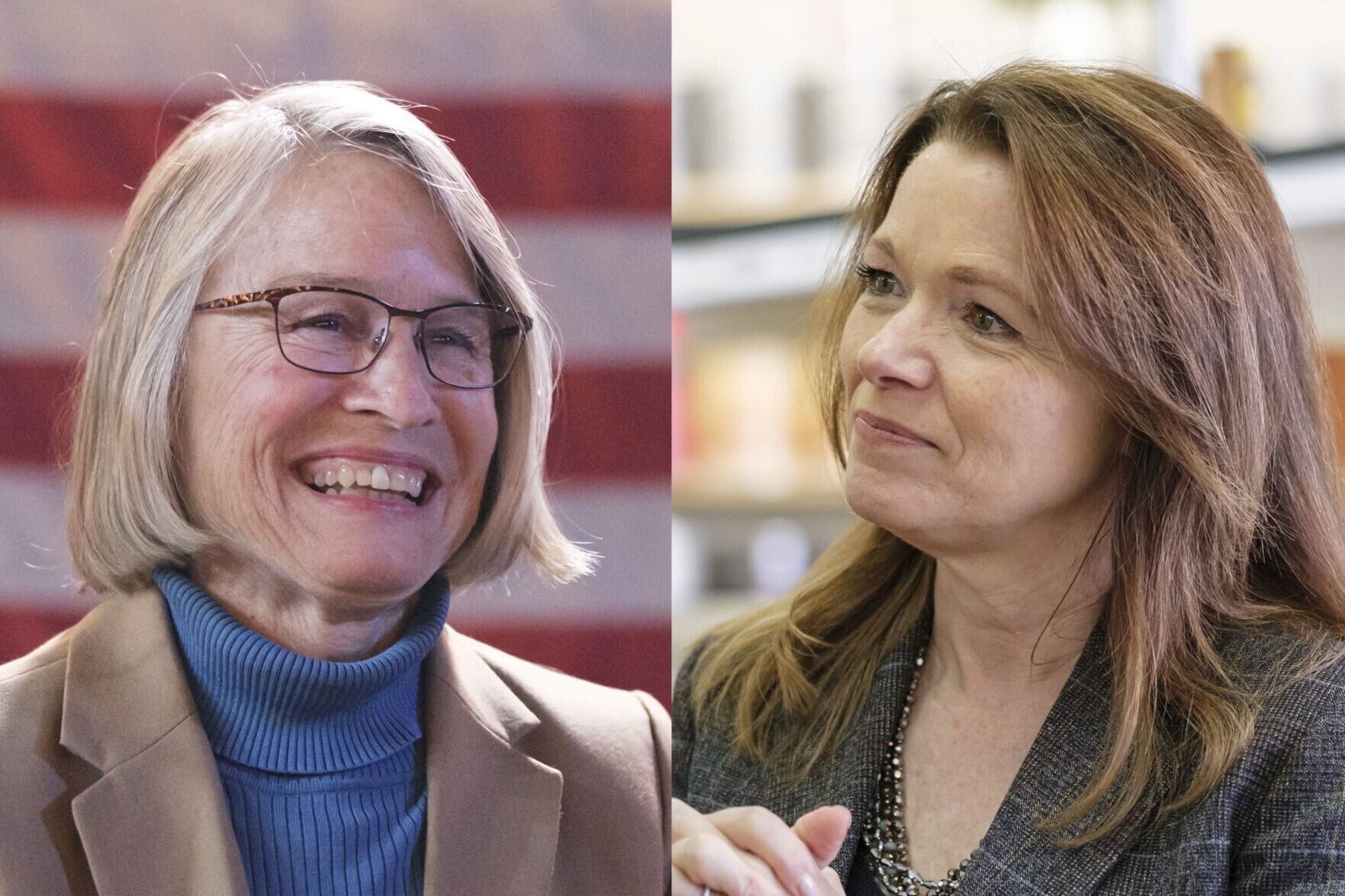
Republican U.S. Rep. Mariannette Miller-Meeks, left, and Democrat Christina Bohannan will have a rematch this fall in the 1st Congressional District.
The Democratic Congressional Campaign Committee views Iowa's 1st, 2nd and 3rd districts as legitimate pickup opportunities.
“Iowans are being squeezed from every direction thanks to Mariannette Miller-Meeks, Zach Nunn and Joe Mitchell's loyalty to Washington over Iowa,” committee spokesperson Katie Smith said. "The First, Second and Third Congressional Districts are all in play because Christina Bohannan, Lindsay James, and Sarah Trone Garriott are speaking directly to Iowa families about fixing our broken economy and taking on Washington corruption.”
Republicans are particularly bullish about Miller-Meeks, citing her fundraising advantage, districtwide organization and dominant primary performance. Miller-Meeks swept all 20 counties in the district and increased her vote share from 56 percent in 2024 to nearly 72 percent this year.
“Democrats turned their backs on Iowa years ago, and their candidates prove they still haven't learned a thing,” National Republican Congressional Committee spokeswoman Emily Tuttle said. “Christina Bohannan and Sarah Trone Garriott have repeatedly shown contempt for Iowa voters and the values they hold dear. Iowans want representatives who will fight for them, not lecture them or look down on them. That’s why Republicans are positioned to win across Iowa this November.”
Democrats point to recent signs of momentum, including winning four of six legislative special elections in 2025 and breaking Republicans' Senate supermajority. While special elections are imperfect predictors, Democrats argue the results suggest growing dissatisfaction with Republican leadership in the state.
5. Voters increasingly willing to challenge incumbents
A final takeaway from Tuesday’s results was voters’ willingness to reject familiar political figures.
Feenstra's defeat was the most prominent example, but multiple legislative incumbents also lost their primaries.
Paul said the results fit a broader antiestablishment mood.
“It appears this is the cycle where you don’t want to be the establishment, even if you’ve been in Congress a short amount of time,” he said.
Caufield similarly argued that voters remain skeptical of institutions and political insiders. Lahn's victory, she said, demonstrated the continued appeal of candidates who position themselves as outsiders fighting entrenched interests.
Republicans see a different lesson. Kaufmann argued Iowa voters reward candidates who work hard, engage directly with voters and build strong grassroots organizations, suggesting campaign execution was just as important as antiestablishment sentiment.