

Iowa officials praise Trump biofuels move as critics warn of strain on farms

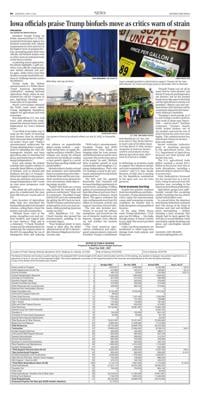
E15 ethanol fuel is now available at a number of Iowa convenience stores, as shown in this July 18, 2019, photo at a gas station in Marion.

Iowa Republicans U.S. Sen. Joni Ernst and U.S. Rep. Randy Feenstra on South Lawn of the White House on Friday, March 27, 2026, during a recognition of American farmers, ranchers and producers during National Agriculture week. (Don’t know ID of person in middle)
President Donald Trump on Friday announced the U.S. Environmental Protection Agency has finalized renewable fuel volume requirements for 2026 and 2027 at the highest levels in program history, prompting praise from Iowa officials and biofuels leaders even as critics warn of continued strain on the farm economy.
As planting season approaches, the debate highlights a split narrative: Iowa officials emphasizing new biofuel demand and policy gains, while critics warn that broader economic headwinds continue to challenge farmers across the Midwest.
Trump made the biofuel announcement at a White House “Great American Agriculture Celebration” marking National Agriculture Week, where he also renewed his call for Congress to pass legislation allowing year-round sales of E15 gasoline.
Nearly 1,000 farmers attended the South Lawn event, where Trump highlighted Republican support for agriculture and rural economies.
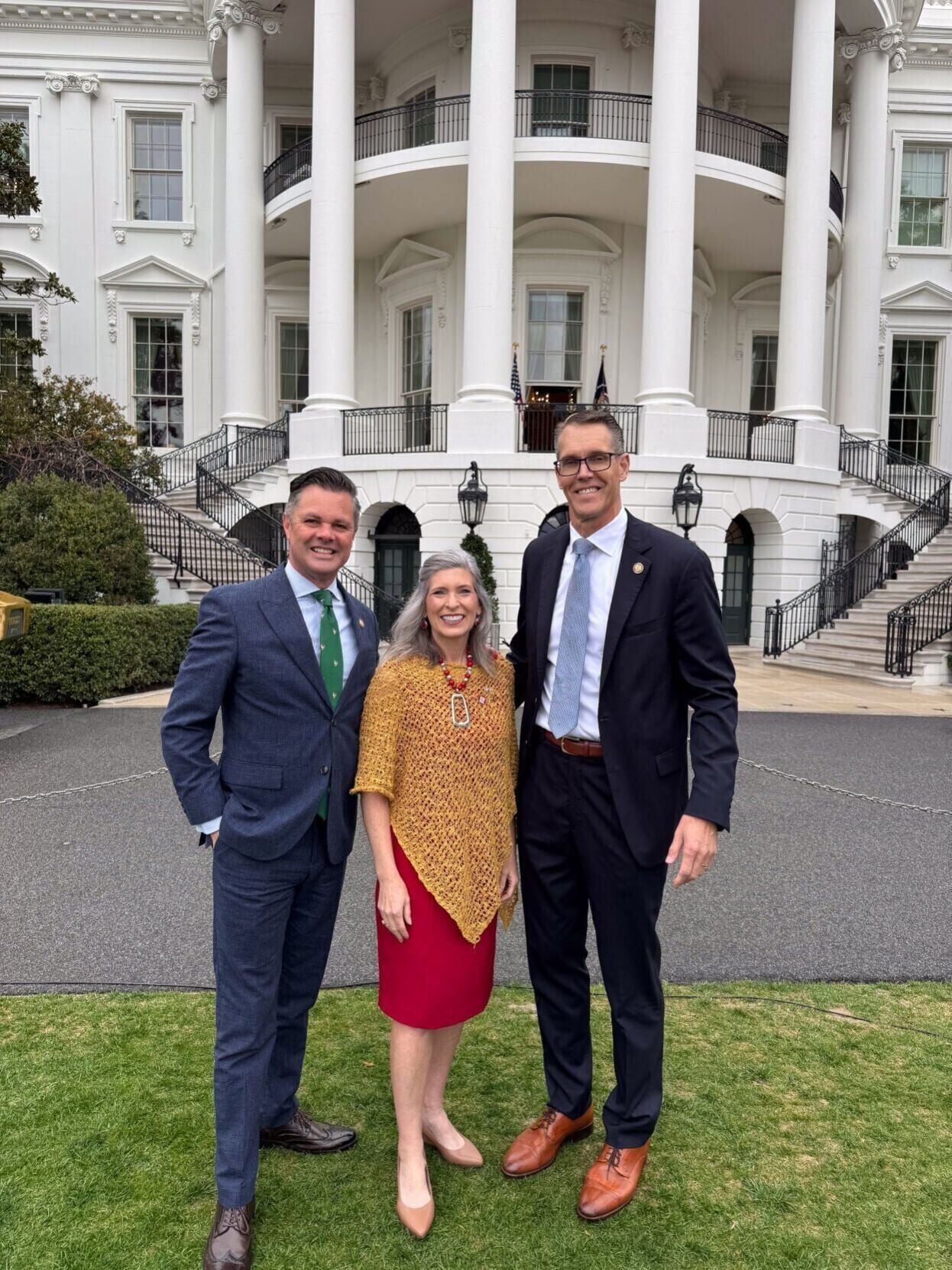
U.S. Sen. Joni Ernst, R-Iowa, poses with Iowa Republican U.S. Reps. Zach Nunn (left) and Randy Feenstra in front of the White House during National Ag Week celebrations honoring the nation’s agricultural producers on Friday, March 27, 2026.
Iowa Republican U.S. Sen. Joni Ernst, who attended the event, praised the announcement and its implications for Iowa’s biofuels sector.
“I can think of no better way to wrap up two weeks of honoring Iowa farmers than by elevating their voices and values to the highest levels,” Ernst said. “Today’s announcement underscores the Trump administration’s commitment to upholding the vital role homegrown biofuels and Iowa agriculture play in lowering fuel prices and bolstering our nation’s energy independence.”
Ernst said raising the federal mandate that requires refiners to annually blend billions of gallons of biofuels, such as ethanol and biodiesel, into the U.S. transportation fuel supply to reduce greenhouse gas emissions and increase energy independence will “create an even more prosperous rural America.”
She added she will continue to press for a modernized, five-year Farm Bill and year-round sales of E15.
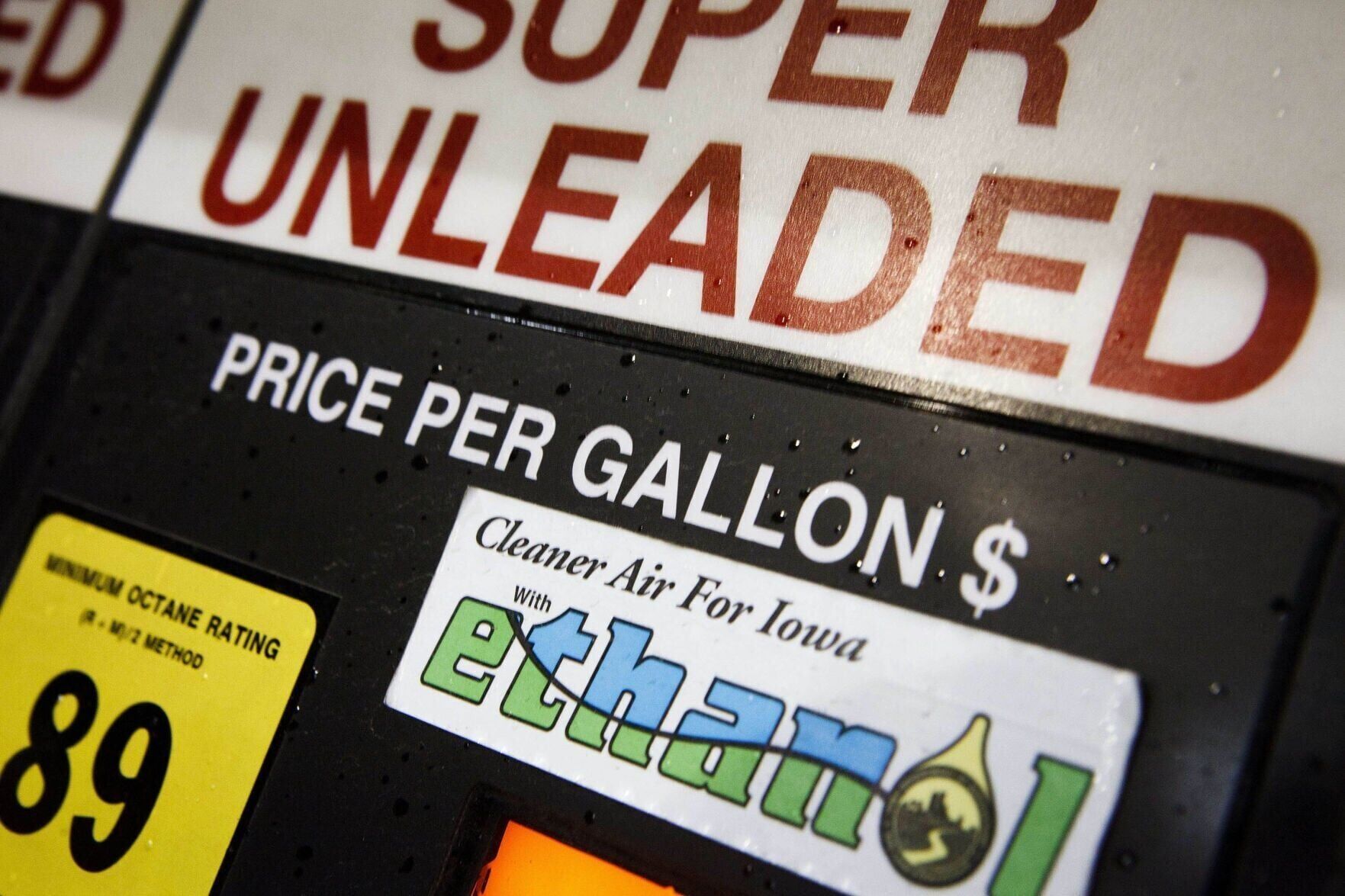
Super unleaded gasoline is advertised to support “Cleaner Air for Iowa with Ethanol” on a Kum and Go gas pump in December 2011 in Ottumwa.
Iowa Secretary of Agriculture Mike Naig also welcomed the finalized Renewable Fuel Standard volumes, calling them a boost for farmers and rural communities.
“Biofuels lower costs at the pump, strengthen corn and soybean markets, and support jobs in rural America.” Naig said in a statement. “I thank President Trump and his administration for reinforcing the original intent of the RFS by expanding the use of homegrown fuels and reducing our reliance on unpredictable global energy markets — especially during times of supply disruption and price volatility. These volumes are strong for ethanol and historic for biodiesel, sending a clear growth signal to a sector that has been needing stability and predictability.”
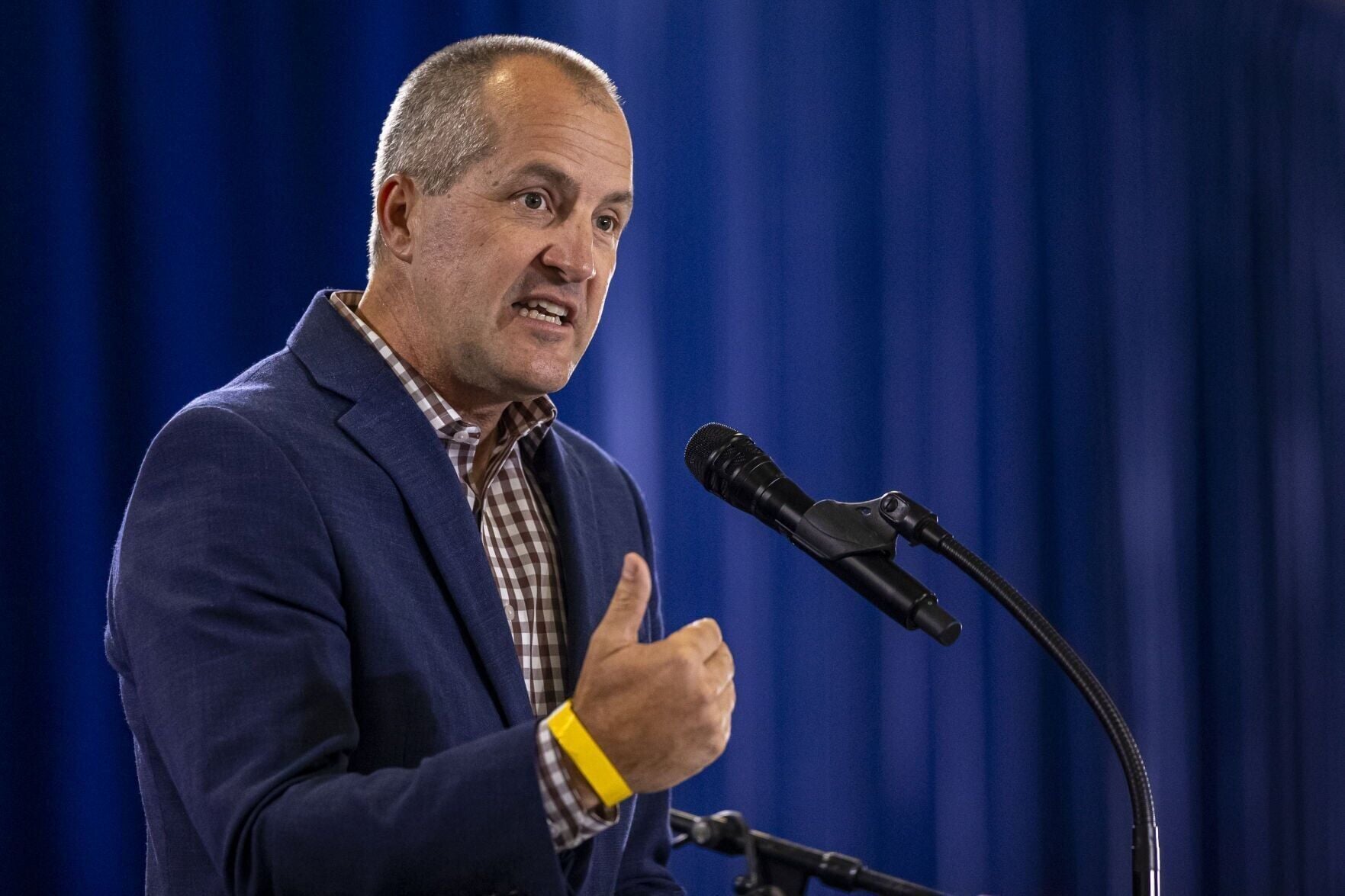
Mike Naig, Iowa ag secretary
Biofuels industry leaders echoed that sentiment. Iowa Renewable Fuels Association Executive Director Monte Shaw said the new standards would increase demand for corn and soybeans while improving energy security.
“Today’s RFS levels are a strong step forward for renewable fuel producers and farmers,” Shaw said in a statement. “President Trump and the EPA are to be commended for getting the RFS back on track. The RFS remains a powerful source of demand for Iowa corn and soybeans, while promoting American energy security.”
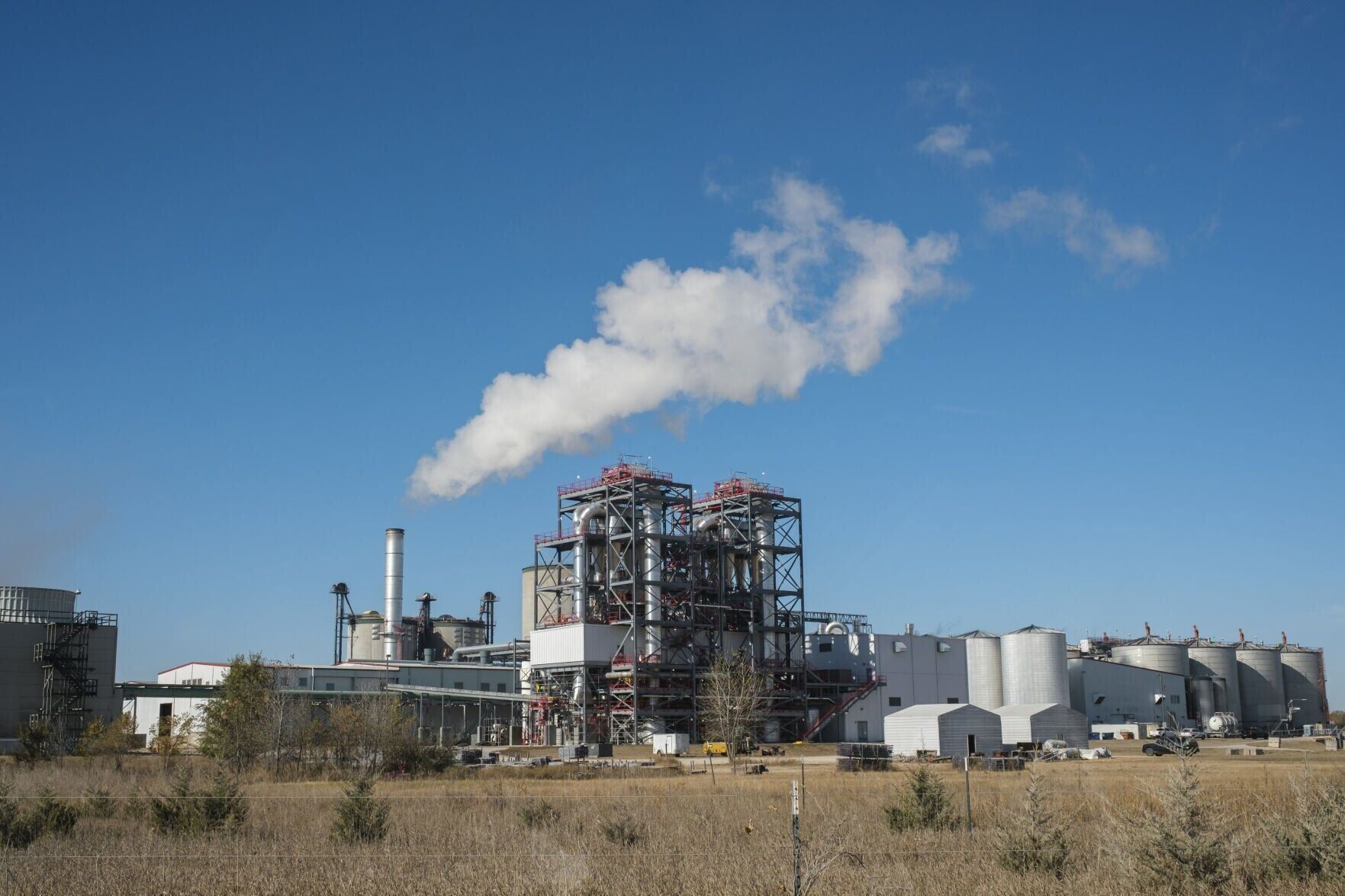
The POET ethanol plant is shown in Shell Rock in north-central Iowa on Oct. 16, 2024.
Iowa Republican U.S. Sen. Chuck Grassley also praised the announcement, pointing to its economic impact.
“Four biodiesel plants in Iowa closed or idled after the Biden administration set RVOs (Renewable Volume Obligations) too low,” Grassley said.
“With today’s announcement, President Trump and (EPA) Administrator (Lee) Zeldin are bringing relief for Iowa farmers and biofuel producers and for every consumer who wants lower prices at the pump,” he said, “Biofuels drive economic growth in rural communities and strengthen U.S. energy independence. That’s why I’m working so hard to get year-round, nationwide E15 enacted into permanent law.”
The EPA said the updated Renewable Fuel Standard will increase blending requirements to record levels, including 15 billion gallons of conventional renewable fuels like ethanol and more than 5 billion gallons of biomass-based diesel. The agency estimates the rule could generate more than $10 billion in economic activity and support more than 100,000 jobs.
The rule also includes provisions to account for refinery exemptions and incentivize the use of domestic feedstocks over imports, changes Iowa officials say will stabilize the biofuels market.
“The Great American Agriculture Celebration and subsequent announcements represent President Trump’s commitment to delivering on promises made to support the American farmer and rural communities across the country,” said U.S. Rep. Randy Feenstra, of Hull, who is running for the Republican nomination in the open-seat race for Iowa governor.
Farm economy hurting
Despite the positive response from Iowa Republicans and industry leaders, Trump administration critics argue the announcement comes amid worsening economic conditions for farmers tied to trade disruptions and geopolitical tensions.
At the same White House event, Trump told farmers, “I just gave you $12 billion. … You make enough money. It doesn’t matter to you, right? But we just provided $12 billion.”
Critics say those payments are insufficient to offset long-term damage from trade policies and rising costs.
“Donald Trump can say all he wants that he ‘loves farmers’ and that he’ll ‘never do anything to hurt our farmers,’ but he has pushed family farms like mine to the brink and the agricultural economy is in shambles,” Illinois corn and soybean farmer John Bartman said in a statement released by the Democratic National Committee.
“Farming is hard enough as it is, and Trump’s reckless policies have made it damn near impossible — and for what?” Bartman continued. “Trump’s chaotic tariffs locked farmers out of our markets and now his war of choice in Iran has sent costs even higher. This administration has abandoned American farmers — plain and simple.”
Recent economic indicators point to mounting pressure in the agricultural sector. The U.S. Department of Agriculture forecasts net farm income will decline this year.
The U.S. agricultural trade deficit reached a record $43.7 billion in fiscal year 2025 due to trade disruptions, including a dramatic drop in exports to China in recent years.
Farm bankruptcies increased for the second year in a row in 2025, rising 46 percent from the previous year, according to the American Farm Bureau Federation.
Agriculture groups have additionally warned that escalating conflict involving Iran has driven up fuel and fertilizer costs.
In a recent letter, the American Farm Bureau Federation cautioned that “the closure of the Strait of Hormuz sent fuel and fertilizer prices skyrocketing — further straining a farm economy that already had its back against the wall due to record inflation, trade uncertainty, rapidly declining crop prices and catastrophic natural disasters.”
Comments: (319) 398-8499;